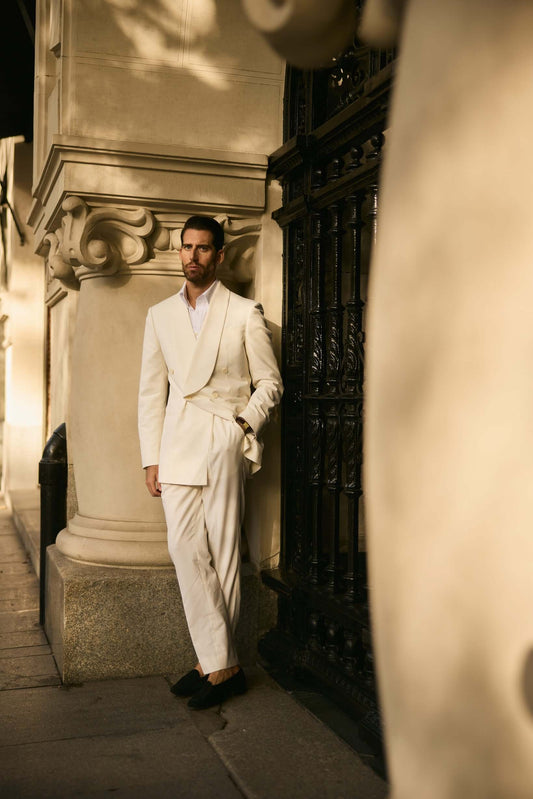

Formal vs Black Tie: Understanding the Difference Before Your Next Event
Share
Many men see the words “formal” and “black tie” on event invitations and assume they mean the same thing. In reality, they represent two different levels of dress code formality.
Misunderstanding the difference can lead to awkward situations — arriving in a regular suit at a black tie gala or showing up in a tuxedo when the event only required formal attire.
This guide explains the difference between formal vs black tie, what men should wear for each dress code, and how to confidently choose the right outfit before your next event.
If you want to explore modern tailoring options, you can browse the menswear collection or visit the Bold Italia Suit homepage.
What Does Formal Attire Mean for Men?
Formal attire for men typically refers to a well-tailored suit worn with classic accessories. It’s a polished look but more flexible than black tie.
Formal dress codes appear at many types of events, including:
- weddings
- business receptions
- formal dinners
- professional ceremonies
- upscale social gatherings
A traditional formal outfit usually includes:
- a tailored suit
- dress shirt
- necktie
- leather dress shoes
If you want to design a personalized suit, you can explore the custom 2-piece suit designer or create a more elevated look with a custom 3-piece suit.
For a broader overview of dress standards, this guide on formal wear for men explains how modern formal attire works.
What Is Black Tie?
Black tie is a much stricter and more traditional dress code. It requires specific garments and accessories that follow long-standing formalwear conventions.
Unlike standard formal attire, black tie events almost always require a tuxedo instead of a regular suit.
Typical black tie attire includes:
- tuxedo jacket with satin lapels
- tuxedo trousers with satin stripe
- formal dress shirt
- bow tie
- formal evening shoes
You can design a modern tuxedo using the tuxedo designer or explore the custom tuxedo collection.
If you're new to this dress code, this article on black tie attire for men explains how to style it correctly.
The Key Differences Between Formal and Black Tie
Although both dress codes require polished clothing, several details separate them.
1. Suit vs Tuxedo
The biggest difference is the garment itself.
Formal attire typically includes a suit, while black tie requires a tuxedo.
Tuxedos are distinguished by satin lapels and satin-trimmed trousers.
If you're unsure about these differences, this guide on suit vs tuxedo explains when each one is appropriate.
2. Tie vs Bow Tie
Another key distinction is the neckwear.
Formal attire usually includes a neck tie, while black tie requires a bow tie.
This small detail instantly signals the level of formality.
3. Shirt Style
Formal suits typically pair with standard dress shirts.
Black tie outfits require more specialized shirts with details like:
- pleated fronts
- French cuffs
- structured collars
You can create tailored options through the custom dress shirt collection or design one through the dress shirt designer.
4. Time of Day
Historically, black tie is reserved for evening events.
Formal attire can be worn during both daytime and evening events.
For example:
Formal events may include conferences, weddings, or professional gatherings.
Black tie events are typically reserved for:
- galas
- luxury weddings
- evening receptions
- charity balls
When to Wear Formal Attire
Formal attire is appropriate when the event calls for elegance without strict traditional rules.
Common situations include:
- weddings
- business ceremonies
- professional networking events
- formal dinners
- award presentations
For weddings in particular, this guide on wedding suits for men explains how men should dress depending on the dress code.
When to Wear Black Tie
Black tie is typically required when the invitation clearly states the dress code.
These events often include:
- charity galas
- formal evening weddings
- luxury celebrations
- red-carpet events
If you’re attending such events regularly, investing in a well-tailored tuxedo can make a significant difference.
Fit is especially important for formalwear. This guide on how a suit should fit explains the key tailoring principles.
Why Fit Matters in Both Dress Codes
Regardless of whether the dress code is formal or black tie, fit determines how good the outfit actually looks.
A poorly fitted suit or tuxedo can appear sloppy, while a well-tailored garment immediately creates a refined silhouette.
Modern tailoring solutions now allow men to achieve better fit without traditional in-person fittings. This article explains how AI measurements deliver perfectly fitted custom suits using only a smartphone.
If you’re comparing tailoring options, the guide on bespoke vs tailored suits explains the differences between modern suit-making methods.
Formal vs Black Tie: Quick Comparison
|
Feature |
Formal Attire |
Black Tie |
|
Jacket |
Suit jacket |
Tuxedo jacket |
|
Neckwear |
Necktie |
Bow tie |
|
Shirt |
Standard dress shirt |
Formal tuxedo shirt |
|
Occasion |
Weddings, business events |
Galas, evening events |
|
Formality level |
High |
Very high |
Final Thoughts
Understanding the difference between formal vs black tie ensures you always dress appropriately for important events.
Formal attire allows more flexibility and usually involves wearing a well-tailored suit.
Black tie is more traditional and requires a tuxedo with specific accessories.
If you're building a wardrobe designed for formal occasions, you can explore the custom suits page or browse the complete suit and tuxedo collection to find styles suited for both dress codes.