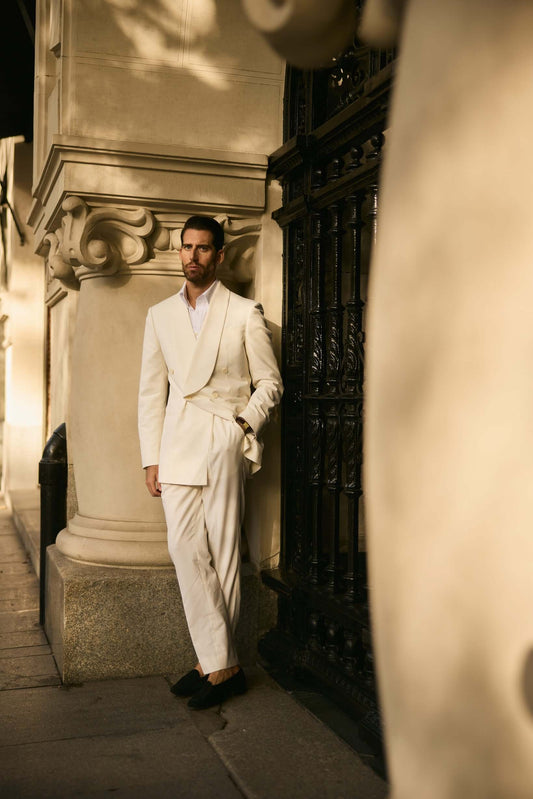

Slim Fit vs Regular Fit Suit: Which Is Best for Your Body Type?
One of the most common decisions men face when buying a suit is choosing between a slim fit and a regular fit. On paper, the difference sounds simple. In reality, it can completely change how a suit looks, feels, and performs.
If you’ve ever wondered whether a slim fit vs regular fit suit is right for your body type, this guide will help you decide with confidence — without guesswork or trends getting in the way.
Quick Answer

A slim fit suit follows the body more closely, creating a sharper and more contemporary silhouette. A regular fit suit offers more room through the chest, waist, and trousers, making it more comfortable and versatile for a wider range of body types.
For lean and athletic builds, slim fit suits often provide a cleaner appearance. For average, broader, or first-time suit buyers, regular fit suits typically offer greater comfort and flexibility while still looking polished when tailored correctly.
What Is a Slim Fit Suit?
A slim fit suit is designed to follow the body more closely. It reduces excess fabric and creates a sharper silhouette.
Key Characteristics of a Slim Fit Suit
- Narrower shoulders and sleeves
- More taper through the waist
- Slimmer trouser leg
- Shorter, more fitted jacket
When done correctly, slim fit suits look modern and intentional — not tight.
Slim fits depend heavily on accurate measurements. Without proper tailoring, they can pull at the chest, restrict movement, or feel uncomfortable.
To see how slim fits are handled properly, browsing a custom suit collection provides useful context:
Explore Custom Suits & Tuxedos
What Is a Regular Fit Suit?
A regular fit suit offers a more balanced cut. It provides structure without clinging to the body.
Key Characteristics of a Regular Fit Suit
- More room through the chest and waist
- Natural shoulder line
- Straight-cut trousers
- Classic jacket length
Regular fit doesn’t mean loose or boxy — it means proportionate.
This style works well for men who prioritize comfort, versatility, and long-term wear.
Where Tailored Fit and Modern Fit Sit Between Slim and Regular Fit
Many men assume there are only two suit fits: slim and regular. In reality, most modern suit makers offer several fit categories.
Slim fit suits create the closest silhouette to the body and emphasize a sharper appearance. Regular fit suits provide more room through the chest, waist, and trousers for greater comfort and versatility.
Between these two sits the tailored fit and modern fit. Tailored fit offers subtle shaping without feeling restrictive, while modern fit balances contemporary styling with everyday comfort. If you're comparing modern cuts in greater detail, this guide on modern fit vs slim fit suit explains the differences. For many men, these middle-ground options provide the best combination of appearance and wearability.
Slim Fit vs Regular Fit Suit Comparison
| Feature | Slim Fit Suit | Regular Fit Suit |
|---|---|---|
| Chest | Closer-fitting | More room |
| Waist | Tapered | Straighter cut |
| Trousers | Narrower leg opening | Classic leg shape |
| Comfort | Moderate | High |
| Movement | Requires precise fit | More forgiving |
| Best For | Lean and athletic builds | Most body types |
Slim Fit vs Regular Fit Suit: The Core Differences
Here’s a clear side-by-side breakdown:
Silhouette
- Slim Fit: Close to the body, streamlined
- Regular Fit: Balanced and relaxed
Comfort
- Slim Fit: Comfortable if properly tailored
- Regular Fit: Naturally comfortable for most builds
Movement
- Slim Fit: Requires precise fit to avoid restriction
- Regular Fit: Allows more natural movement
Versatility
- Slim Fit: Best for modern, formal, or social settings
- Regular Fit: Works across business, formal, and everyday wear
Which Fit Works Best for Your Body Type?

Lean or Slim Builds
Slim fit suits often work well for men with lean frames because they eliminate excess fabric and add structure.
However, tailoring is key. A poorly fitted slim suit can look tight rather than sharp.
Athletic Builds
Men with broader shoulders and narrower waists often struggle with off-the-rack slim fits.
A tailored regular fit — lightly shaped at the waist — often delivers the best balance between comfort and appearance.
Custom tailoring makes this much easier by adjusting the jacket and trousers independently. Understanding how different cuts work across various different suit styles can also help athletic builds find the most balanced silhouette.
Average Builds
Both slim and regular fits can work. The choice often comes down to personal preference and where you plan to wear the suit.
If you want one suit that does everything well, a modern regular fit is usually the safest option.
Broader or Stockier Builds
Regular fit suits generally provide better comfort and proportions. Slim fits may feel restrictive or highlight areas you’d rather not emphasize.
A regular fit suit with custom adjustments creates clean lines without squeezing the body.
To see different fit styles across body types, the men’s wear collection is a helpful reference:
Explore Men’s Wear
Fit Style vs Fit Quality: An Important Distinction

Many people confuse fit style with fit quality.
A slim suit that doesn’t fit properly will always look worse than a well-fitted regular suit.
What matters most is:
- Proper shoulder alignment
- Clean chest and lapel lines
- Comfortable waist and seat
- Correct sleeve and trouser length
This is why many men turn to custom tailoring — it allows you to choose a style and ensure it fits correctly.
If you’re curious how modern tailoring improves accuracy, this guide explains it clearly:
How AI Measurements Deliver a Perfect Fit
When Should You Choose Slim Fit or Regular Fit?
The right fit often depends on where and how you plan to wear the suit.
- Slim Fit: Ideal for weddings, evening events, modern offices, social occasions, and men who prefer a sharper silhouette.
- Regular Fit: Better for long workdays, business travel, professional environments, and anyone prioritizing comfort and versatility.
- Tailored Regular Fit: Often provides the best balance between modern style and all-day wearability.
If you only plan to own one suit, most tailoring professionals recommend starting with a well-fitted regular or tailored fit before experimenting with slimmer cuts.
Which Fit Is Better for First-Time Buyers?
For first-time suit buyers, a regular fit is often the smarter starting point. It’s more forgiving, more versatile, and easier to wear comfortably throughout the day.
Once you understand how a suit should feel and fit, experimenting with slimmer cuts becomes much easier.
If you want to explore options that balance modern styling with comfort, start with the custom suits and tuxedos collection:
Browse Custom Suits
Can a Regular Fit Be Made Slimmer?
Yes — and this is where tailoring shines.
A regular fit suit can be shaped through:
- Waist suppression
- Tapered sleeves
- Slimmed trousers
This approach often delivers better results than buying an overly slim suit and hoping it stretches.
Choosing Between Slim and Regular Fit: Quick Checklist
Ask yourself:
- Do I value comfort or sharpness more?
- Will I wear this suit for long hours?
- Do I move a lot during the day?
- Does my body type suit a close cut naturally?
If you’re unsure, err on the side of comfort — tailoring can always refine the shape later.
Common Slim Fit Suit Mistakes
- Choosing a jacket that pulls across the chest
- Buying trousers that are too tight through the thigh
- Assuming tighter automatically looks better
- Ignoring shoulder fit while focusing on waist fit
- Following trends instead of body proportions
The goal of a slim fit suit is clean structure, not compression. If movement feels restricted or fabric pulls noticeably, the suit is likely too small rather than properly tailored.
What Professional Tailors Look for First
When evaluating suit fit, professional tailors rarely start with whether a suit is slim fit or regular fit. Instead, they focus on foundational fit points:
- Shoulders sitting cleanly without overhang
- A smooth chest without pulling or excess fabric
- Proper jacket balance from front to back
- Comfort through the seat and upper thigh
- Correct sleeve and trouser lengths
Once these areas fit correctly, a tailor can adjust the overall silhouette to make the suit appear slimmer or more relaxed. This is why fit quality almost always matters more than fit category.

Frequently Asked Questions
Q1. Is a slim fit suit more formal than a regular fit suit?
A. No. Formality is determined more by the suit fabric, color, and occasion than by the fit itself. Both slim fit and regular fit suits can be appropriate for formal events.
Q2. Can larger men wear slim fit suits?
A. Yes, but the suit must be tailored carefully. An overly tight slim fit often emphasizes size rather than creating a cleaner silhouette.
Q3. Can a regular fit suit look modern?
A. Absolutely. Modern tailoring can shape a regular fit suit through the waist, sleeves, and trousers while maintaining comfort.
Q4. Which fit is best for business professionals?
A. Most professionals benefit from a modern regular fit or tailored fit because it balances comfort, authority, and versatility.
Conclusion
The slim fit vs regular fit suit decision isn’t about which style is better — it’s about which one works better for you.
Slim fits offer a sharp, modern look when tailored correctly.
Regular fits provide balance, comfort, and versatility across more body types.
The best suit is the one that fits your body, your lifestyle, and how you plan to wear it — not the one following a trend.
If you’d like help choosing the right fit:
- Browse custom suits:
View the Collection - Get personalized guidance:
Contact the Team - Review your selections:
View Your Cart