The Ultimate Guide to Suit Maintenance: Easy and Effective Tips
Last modified:
Share
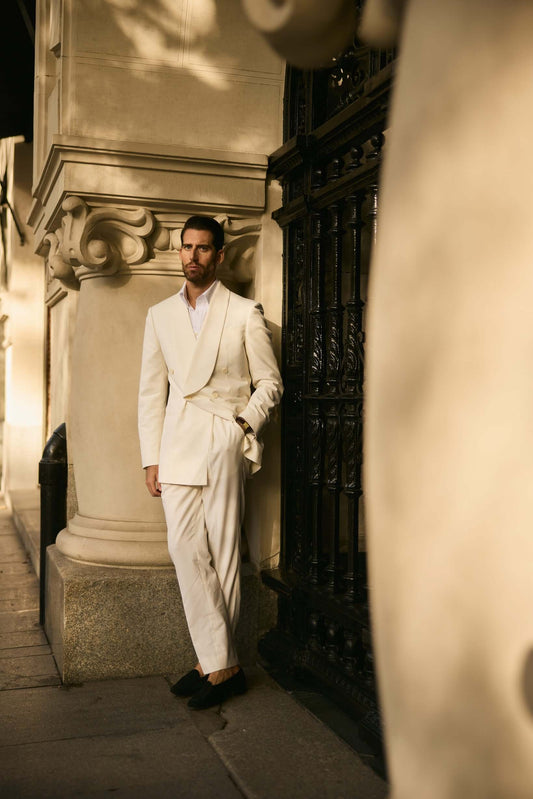
Investing in luxury custom suits means investing in timeless elegance and craftsmanship. To preserve the beauty and structure of your bespoke suits, you must adopt a refined care routine that respects the premium materials and precision tailoring.
Whether you own custom tailored suits or made to measure suits, this expert guide will show you how to keep them looking impeccable for years to come.
How Often Should You Dry Clean High-End Suits?
Dry cleaning should be used sparingly. For premium suits, we recommend limiting professional dry cleaning to twice a year, or only when absolutely necessary. Overexposure to chemicals can wear down natural fibres. Spot cleaning and brushing should be your go-to for regular maintenance.
Daily Suit Maintenance: Brush & Air
Brush daily: Use a natural bristle brush to remove dust and particles without damaging the fabric of your custom made suits.
Air it out: After each wear, let your luxury men's suits breathe. Hang them on wide wooden hangers and avoid crowded closets to maintain shape.
Refresh and Deodorize With Steam
Steaming is your best friend. Steam penetrates fabric fibres, removes odours, and revives the drape of your exclusive suits without degrading the material. Tools like Laurastar’s DMS steamer provide deep purification, reducing the need for frequent washing.
Ironing Premium Suits at Home
Yes, you can iron high-end suits at home — but only with the right equipment. Use irons with protective soleplates to avoid shine marks, and always iron on low heat or steam vertically to preserve delicate fibres like silk and wool blends.
Wrinkle Removal On the Go
Frequent travelers can keep their custom tailored suits flawless with a portable steamer. Compact steamers like Laurastar's IGGI allow you to refresh garments quickly, making them essential for business trips or formal events.
Proper Storage of Bespoke Suits
Never store luxury tailoring without cleaning it first. Sweat and dirt attract moths and cause deterioration. Use broad-shouldered hangers, breathable garment bags, and store in a cool, dry space. Steam both suit and closet periodically to prevent pests and maintain freshness.
Essential Tips for Long-Lasting Custom Suits
Brush your suits after every wear to remove lint and dust.
Steam regularly to refresh and purify fabric without washing.
Limit dry cleaning to prevent fibre breakdown.
Iron carefully using professional-grade tools.
Store garments with care using wide hangers and breathable bags.
Final Thoughts
With the right care routine, your luxury custom suits will always project sophistication and style. By integrating brushing, steaming, and proper storage into your wardrobe habits, you ensure that your bespoke and high-end suits stay crisp, clean, and truly timeless.
Join Our Community
Subscribe to our newsletter for exclusive tips and receive 10% off your first order of luxury men's suits.
If you're wondering what to wear with linen pants, start with a lightweight shirt, a fitted polo, or a simple T-shirt.
Finish with loafers, espadrilles, sandals, or minimal sneakers depending on the occasion. Neutral colors such as
white, beige, navy, olive, and light blue are particularly easy to combine.
Linen pants work best when the rest of your outfit feels equally relaxed. The goal is to create an intentional summer
look without making it appear overly formal or careless.
Key Takeaways
Linen pants pair naturally with cotton shirts, linen shirts, polos, and lightweight knitwear.
White, beige, navy, and olive are versatile linen trouser colors.
Loafers and espadrilles work well for polished summer outfits; sandals suit casual settings.
Relaxed and straight-leg silhouettes are often easier to balance than extremely tight fits.
Linen wrinkles naturally, so focus on proper fit and overall neatness rather than a perfectly crease-free
appearance.
What to Wear With Linen Pants for Different Occasions
The best outfit depends on whether you're dressing for a vacation, summer dinner, casual office, or weekend outing.
For a beach vacation, choose a relaxed linen shirt with leather sandals. The combination feels natural in a warm,
informal setting.
For a summer dinner, a knitted polo with linen trousers and suede loafers offers a slightly dressier appearance. For
everyday weekends, a plain T-shirt and clean minimalist sneakers are practical. For a
casual office
where linen trousers are acceptable, wear an Oxford shirt or lightweight cotton shirt with leather loafers.
The key is consistency. Lightweight, relaxed pieces usually complement linen better than stiff or excessively formal
garments.
What Shirts Go Best With Linen Pants?
Lightweight shirts are usually the easiest starting point because their texture complements linen.
Linen Shirt With Linen Pants
Wearing linen from head to toe
creates a coordinated summer outfit, especially when both pieces have similar levels of formality. Try a white linen
shirt with beige trousers, or choose a tonal combination such as cream and stone.
The fabrics don't need to match exactly. In fact, a subtle difference in color often makes an outfit more interesting.
For a casual appearance, leave the top button or two open and roll the sleeves neatly.
Avoid combining an excessively oversized shirt with extremely wide trousers unless you're deliberately aiming for a
loose silhouette. Some structure helps maintain balance.
Cotton Oxford Shirt
An
Oxford shirt
provides more structure than a typical linen shirt. A light-blue Oxford with beige linen trousers is a useful option
for lunch meetings, restaurants, and casual office settings.
Tuck in the shirt and add loafers when you want a polished look. Leave it untucked if its hem is designed for casual
wear.
Short-Sleeve Button-Up Shirt
Short-sleeve shirts are practical for warmer weather and casual travel. A solid-color or subtly patterned short-sleeve
shirt can work with plain linen trousers. Keep the pattern moderate if you want the outfit to remain versatile.
For example, an olive short-sleeve shirt with cream linen pants creates a relaxed combination without relying on
bright colors.
Can You Wear a Polo Shirt With Linen Pants?
Yes. A polo shirt is an excellent match for linen pants because it offers more structure than a T-shirt without
requiring a formal shirt.
For a
casual summer dinner
, try a navy knitted polo, beige linen trousers, and brown suede loafers. A white polo with olive trousers also works
well, especially with simple leather footwear.
Choose a polo with a clean collar and a comfortable fit. A bulky sports polo may feel visually disconnected from
refined linen trousers.
If the trousers have a higher rise, tucking in the polo can create a more balanced proportion. Untucked styling works
best when the shirt isn't excessively long.
Can You Wear a T-Shirt With Linen Pants?
A plain T-shirt and linen pants make an easy casual outfit. The combination works because both garments have a relaxed
character. Choose a T-shirt with a neckline that retains its shape and fabric that doesn't appear worn out.
A white crewneck with navy linen trousers and minimalist sneakers is a simple weekend option. A charcoal T-shirt with
natural-beige trousers creates a more muted look.
Pay attention to fit. If your linen pants have a wide leg, a regular-fitting T-shirt usually creates better balance
than a very long, oversized top.
Avoid treating every pair of linen trousers as beachwear. Structured linen pants can look more refined when styled
with a high-quality plain T-shirt.
What Shoes Should Men Wear With Linen Pants?
Shoes can completely change how linen pants look.
Loafers for Smart-Casual Outfits
Suede or leather loafers are a natural choice when wearing linen pants to dinner or a summer gathering. Brown suede
works well with white, beige, and olive linen trousers. Black leather can complement charcoal, navy, or darker-colored
pairs.
Espadrilles for Vacation Outfits
Espadrilles suit linen's relaxed texture. They're useful for resort settings, casual summer walks, and outdoor social
occasions. Choose simple colors such as navy, cream, or tan.
Sneakers for Everyday Wear
Minimal sneakers can make linen trousers feel more contemporary. White or off-white leather sneakers are versatile,
but clean canvas designs can work too.
Avoid excessively bulky athletic sneakers if you're trying to maintain a refined silhouette.
Sandals for Relaxed Occasions
Leather sandals complement lightweight linen trousers in casual settings. They make sense for beach towns, holidays,
and informal daytime outings.
However, they're generally inappropriate for professional environments and more formal gatherings.
What Colors Go With Linen Pants?
Neutral combinations are easiest, but you don't have to wear beige and white every time.
Beige linen pants: Pair with white, navy, pale blue, or olive.
White linen pants: Pair with navy, light blue, tan, or charcoal.
Navy linen pants: Pair with white, cream, pale pink, or light gray.
Olive linen pants: Pair with cream, navy, muted brown, or light gray.
If you're unsure where to begin, choose one light garment and one darker garment. The contrast creates definition
without requiring elaborate styling.
How Should Linen Pants Fit?
Linen pants should allow comfortable movement while maintaining a deliberate silhouette. The waistband should sit
securely without excessive bunching. The seat and thighs need enough room so that the fabric doesn't pull when you
sit.
For a straight-leg fit, the trousers should fall cleanly rather than clinging to your calves. The hem can finish with
little or no break over your shoes, particularly for summer outfits. Wider styles may require a different length to
preserve the intended drape.
Avoid pants that are so long they collect heavily around the ankles. Excess fabric can make lightweight linen look
untidy. Also consider the fabric's transparency. Lighter linen trousers can be more revealing, especially when made
from thin material.
Do Linen Pants Need to Be Ironed?
Linen naturally creases during wear, and those creases are part of its character. You don't need perfectly flat
trousers throughout the day. However, heavily crushed fabric and poorly maintained seams can look careless.
A light steam or ironing before wearing helps create a tidy starting point. Hang your linen pants rather than leaving
them folded in a crowded drawer. Always follow the garment's care label, especially when the material includes other
fibers.
Common Mistakes When Styling Linen Pants
The biggest mistake is choosing pieces that don't share the same overall mood. A crisp corporate dress shirt and
highly polished formal shoes may look mismatched with extremely casual drawstring linen pants.
Similarly, gym sneakers and an oversized athletic shirt can overwhelm a pair of refined, tailored linen trousers.
Other common issues include visible undergarments beneath thin fabric, overly tight cuts, and unsuitable shoe choices.
Keep your outfit consistent. Relaxed linen pants call for relaxed styling, while
tailored linen trousers
can support more structured pieces.
FAQs About Men's Linen Pants
Can Men Wear Linen Pants to a Wedding?
Yes, depending on the location and dress code. Linen trousers can work for
beach weddings
and relaxed summer celebrations when paired with a suitable shirt and jacket. They may be too casual for formal
ceremonies, particularly when the invitation specifies black tie or traditional formal attire.
What Shoes Look Best With Beige Linen Pants?
Brown suede loafers, neutral espadrilles, white minimalist sneakers, and leather sandals can all work with beige linen
pants. Choose loafers for a dressier appearance and sandals for casual holiday settings. The trousers' cut and the
occasion should guide the decision.
Should Men Wear Socks With Linen Pants?
You can wear socks with linen pants, although no-show socks are often preferred with loafers and low-cut casual shoes
in summer. Visible socks can work with darker, more structured outfits. Consider comfort, hygiene, and the formality
of the occasion rather than following one rigid rule.
Can Linen Pants Be Worn in Winter?
Yes, particularly when the fabric has enough weight and the climate is mild. Linen trousers can be combined with fine
knitwear, overshirts, and jackets. However, lightweight linen is often less practical in cold weather than wool,
flannel, or heavier cotton.
Conclusion
Deciding what to wear with linen pants becomes easier when you match the fabric's relaxed character with the rest of
your outfit.
For everyday wear, start with a plain T-shirt or polo. For smarter occasions, choose a lightweight shirt,
well-cut trousers
, and loafers. Good fit, balanced colors, and appropriate footwear will do most of the work.
A polo shirt is a casual, typically knitted shirt with a soft collar, a short buttoned opening at the neck, and
usually short sleeves. It sits between a T-shirt and a dress shirt in formality, making it suitable for everyday
outfits,
smart-casual dressing
, and some relaxed workplaces. The secret to wearing a polo shirt well isn't complicated: choose the right fit, pay
attention to the fabric, and pair it with trousers and shoes that match the occasion.
Key Takeaways
Polo shirts combine the comfort of a T-shirt with the more structured appearance of a collar.
Cotton piqué and jersey are common polo shirt fabrics, but they have different textures and drapes.
A well-fitted polo should sit comfortably across the shoulders and chest without pulling.
Chinos, tailored trousers, jeans, and shorts can all work with polo shirts.
A polo shirt is suitable for smart-casual occasions but isn't automatically appropriate for formal events.
What Is a Polo Shirt?
A polo shirt is a pullover shirt distinguished by its collar and short button placket. Most polos have two or three
buttons near the neckline, although modern designs vary. Unlike a traditional dress shirt, which typically has a
full-length button fastening, a polo shirt is pulled over the head. Its knitted construction also generally gives it
more stretch and a softer feel than a conventional woven shirt.
The classic polo shirt has three recognizable features: a fold-over collar, a short neckline opening, and a relatively
simple body without elaborate detailing. Some variations have long sleeves, contrasting collars, or different knit
patterns. Nevertheless, the basic construction remains recognizable.
The polo's association with sportswear helps explain its appearance. Its combination of a collar and comfortable
knitted fabric made it practical for movement, while its clean design eventually helped it become a casual wardrobe
staple.
What Is the Difference Between a Polo Shirt and a T-Shirt?
A polo shirt is generally more structured and slightly dressier than a T-shirt, mainly because of its collar and
buttoned neckline. A traditional T-shirt has a crewneck or V-neck, while a polo features a collar and buttoned
opening. T-shirts are predominantly casual, whereas polo shirts can be appropriate for some smart-casual settings.
Neither garment is automatically better. The choice depends on where you're going and the impression you want to
create. For example, a white T-shirt with dark jeans works well for a casual weekend. Swap the T-shirt for a navy
polo, add chinos, and the outfit becomes more suitable for a relaxed dinner or informal business lunch.
A polo shirt doesn't replace a dress shirt in every situation, however. Weddings, formal business meetings, and events
with an explicit dress code may require a more
traditional shirt
.
What Fabrics Are Polo Shirts Made From?
Polo shirts are commonly made from cotton or cotton-blend knitted fabrics, although wool and performance materials are
also used.
Cotton Piqué
Piqué is a knitted fabric with a subtly raised or textured surface. It is closely associated with traditional polo
shirts. Its texture gives the garment a defined appearance without making it stiff. A cotton piqué polo can work
particularly well with chinos, cotton trousers, and casual jackets.
Cotton Jersey
Jersey is typically smoother and softer-looking than piqué. A jersey polo often resembles an upgraded T-shirt with a
collar. It's particularly useful when comfort and a relaxed silhouette are more important than a crisp appearance.
Knitted Polo Shirts
Fine-knit polos made from materials such as cotton, merino wool, or suitable blends can create a dressier look. They
often work especially well with pleated trousers,
tailored pants
, and loafers.
Performance Fabrics
Some polos are designed with synthetic fibers or blends intended for sport and active use. They're practical for golf,
travel, and other situations where flexibility and easier care may matter more than traditional styling. Choose fabric
according to use rather than assuming one fabric is universally superior.
How Should a Polo Shirt Fit?
A polo shirt should follow the shape of your body without pulling tightly across the chest, stomach, or shoulders.
Shoulders: The shoulder seam should sit close to your natural shoulder edge. If it falls too far down the upper arm,
the polo may look oversized.
Chest: The fabric should lie smoothly across your chest. Horizontal pulling lines around the buttons indicate that
the shirt may be too tight.
Sleeves: On a traditional short-sleeved polo, sleeves commonly end around the middle of the upper arm. The cuff
should not cut tightly into your biceps.
Length: An untucked polo should generally fall around the upper-to-middle hip area. Extremely long polos can make
your legs look shorter.
Waist: Some shaping through the torso is fine, but the fabric should not cling uncomfortably around your stomach.
Your preferred fit also depends on the outfit. A closer fit can work with tailored trousers, while a slightly relaxed
fit may suit casual denim or shorts. Avoid choosing a smaller size merely to create a slim appearance. A clean
silhouette comes from appropriate proportions, not tight fabric.
How to Wear a Polo Shirt for Different Occasions
A polo shirt works best when the rest of your outfit supports the same level of formality.
1. Polo Shirt With Chinos
A navy polo with beige chinos is one of the simplest smart-casual combinations. The collar gives the upper half some
structure, while chinos keep the look polished without appearing formal. Complete the outfit with
leather loafers
, suede shoes, or clean minimalist sneakers.
2. Polo Shirt With Jeans
Choose a solid-color polo and pair it with straight or slim-straight jeans. Dark denim usually creates a more refined
appearance, especially when paired with a black, navy, white, or charcoal polo. Avoid combining an overly tight polo
with equally tight jeans. Balanced proportions generally look more natural.
3. Polo Shirt With Tailored Trousers
A fine-knit polo can look particularly good with pleated trousers. For example, try a cream polo with charcoal
trousers and dark-brown loafers. This combination works for dinner dates, smart-casual gatherings, and some creative
workplaces.
4. Polo Shirt With Shorts
For warm-weather dressing, combine a lightweight polo with tailored shorts. Navy and stone, white and olive, or light
blue and beige are straightforward color combinations. Choose shorts that fall around the knee or slightly above it,
according to your comfort and proportions.
5. Polo Shirt With a Blazer
A polo can replace a shirt under a
blazer
when the occasion permits relaxed tailoring. Choose a polo with a collar that sits neatly beneath the jacket lapels.
Fine-knit polos are often easier to style this way than bulky sports polos. For a simple outfit, combine a navy
blazer, a white or muted polo, gray trousers, and brown loafers.
Should You Tuck In a Polo Shirt?
A polo shirt can be worn tucked or untucked. The better option depends on its length, hem, and the outfit. Tuck it in
when wearing tailored trousers, a blazer, or a more polished smart-casual combination. Leave it untucked for casual
outfits involving jeans, shorts, or relaxed chinos, provided the shirt is the right length.
Some polos have longer back hems or side vents. These details can influence how naturally the shirt sits when tucked
or untucked. If the polo gathers excessively around your waist after tucking, it may be too long or loose for that
styling approach.
What Colors of Polo Shirts Should Men Own?
Start with versatile colors that work with trousers you already wear. Navy is a dependable option with beige, white,
gray, and olive trousers. White looks particularly clean with dark denim and summer chinos.
Black can create a simple, contemporary appearance, especially with charcoal or gray trousers. Light blue and muted
green offer variety without being difficult to coordinate. You don't need ten colors to make polo shirts useful. A few
well-fitting options will generally offer more outfit possibilities than a large collection of inconsistent styles.
Common Polo Shirt Styling Mistakes
The most common mistakes concern fit, fabric condition, and inappropriate formality. An excessively tight polo can
pull around the buttons and emphasize areas you may not want to highlight. One that's too large can look shapeless,
especially when combined with loose trousers.
Pay attention to the collar. A stretched, curled, or misshapen collar can make an otherwise good outfit look untidy.
Large graphics and prominent branding aren't necessarily wrong, but they may limit versatility. Also, don't assume
that every collared shirt qualifies as formalwear. A polo might be ideal for a casual restaurant yet unsuitable for a
black-tie event.
FAQs About Polo Shirts
Is a Polo Shirt Considered Smart Casual?
Yes, a polo shirt can be smart casual when it has a clean fit and is paired with suitable trousers and shoes. A plain
polo with chinos and loafers is a common example. However, dress-code expectations vary, and a polo may be too
informal for some offices or events.
Can You Wear a Polo Shirt With a Suit?
You can wear a polo shirt with a relaxed suit for certain smart-casual occasions. Fine-knit polos tend to work
particularly well. However, formal business meetings, traditional weddings, and events requiring a shirt and tie
usually call for a dress shirt instead.
Should Polo Shirts Be Tight or Loose?
Polo shirts should be comfortable and shaped without being restrictive. The fabric should sit smoothly over the
shoulders and chest, and the buttons shouldn't pull. Both tailored and relaxed fits can work, depending on body shape
and styling preference.
Are Polo Shirts Suitable for Business Casual?
Polo shirts can be appropriate for
business-casual workplaces
that allow more relaxed clothing. Pair them with chinos, tailored trousers, and polished shoes. If your workplace has
a conservative dress code, check its guidelines before replacing a dress shirt with a polo.
Conclusion
Understanding what a polo shirt is makes it easier to see why it remains such a useful part of men's wardrobes. It's
comfortable enough for everyday wear and structured enough for many smart-casual occasions. Start with a neutral,
well-fitting polo and experiment with chinos, denim, and tailored trousers. The right proportions and fabric will make
a greater difference than complicated styling.
Royal blue and navy blue belong to the same color family, but they create noticeably different impressions when worn as suits. Royal blue is brighter, bolder, and more expressive, while navy blue is darker, more traditional, and generally more versatile.
When comparing royal blue vs navy blue suits, the right choice depends on the occasion, dress code, and how often you plan to wear the suit. Both shades can look sophisticated, but they serve different purposes in a man's wardrobe.
Quick answer: Choose a navy blue suit for business meetings, interviews, traditional weddings, and everyday versatility. Choose royal blue for modern weddings, celebrations, and occasions where you want a more distinctive appearance.
Royal Blue vs Navy Blue: What's the Difference?
The biggest difference between royal blue and navy blue is their brightness and overall appearance. Royal blue has a vibrant, saturated tone that immediately attracts attention. Navy blue is significantly darker, sometimes appearing almost black in low lighting.
Here's how they compare when choosing a suit:
Feature
Royal Blue Suit
Navy Blue Suit
Appearance
Bright and vibrant
Dark and understated
Overall style
Bold and contemporary
Classic and sophisticated
Formality
Moderately formal
Generally more formal
Business wear
Creative or relaxed settings
Traditional professional settings
Weddings
Modern and celebratory
Classic and versatile
Evening events
Statement-making
Refined and understated
First suit purchase
Better as an additional option
Excellent first choice
Year-round versatility
Occasion-dependent
Highly versatile
Neither shade is inherently better. The goal is to choose the one that complements your occasion and personal style.
What Does a Royal Blue Suit Look Like?
A royal blue suit features a rich, vivid blue that stands out more than traditional navy tailoring. Its brightness gives the outfit a contemporary character, making it particularly attractive for weddings, celebrations, cocktail parties, and special occasions.
A royal blue suit works especially well when paired with a crisp white shirt, a restrained tie, and polished dress shoes. Because the suit itself is visually striking, keeping other elements simple creates a balanced appearance.
Royal blue is a strong choice for someone who already owns conservative suits and wants to introduce something more expressive into their wardrobe.
What Does a Navy Blue Suit Look Like?
A navy blue suit has a deep, dark-blue appearance that offers the sophistication of darker tailoring without looking as stark as black. Its understated character makes it appropriate for a wide range of settings, from professional meetings to wedding receptions.
One of navy's biggest advantages is its flexibility. A white shirt and dark tie create a formal business look, while a light-blue shirt and brown shoes produce a slightly more relaxed appearance.
If you want more outfit inspiration, explore our guide to navy suit combinations that always look sharp.
Which Is More Formal: Royal Blue or Navy Blue?
Navy blue is generally more formal than royal blue. Its darker shade creates a restrained appearance that suits traditional workplaces, professional gatherings, and formal social occasions.
Royal blue can still look elegant, especially when tailored properly and styled with darker accessories. However, its brighter appearance makes it more noticeable, which may not suit every conservative environment.
For occasions requiring a tuxedo under a black-tie dress code, neither an ordinary navy nor a royal blue business suit is an automatic substitute. Always consider the specific invitation.
Royal Blue vs Navy Blue for Business and Interviews
For traditional business settings, navy blue is usually the stronger option. A navy suit paired with a white shirt, conservative tie, and black or dark-brown shoes creates a polished professional outfit.
Royal blue can work in creative industries, less conservative offices, and business-social events where personal expression is welcome. However, it naturally attracts more attention.
For interviews, choose navy when you're uncertain about the company's dress expectations. Our business professional attire guide explains how to dress appropriately for different professional environments.
Royal Blue vs Navy Blue for Weddings
Both shades make excellent wedding suits, but the better choice depends on the setting, time of day, and overall wedding style.
Royal Blue Wedding Suits
Royal blue is especially appealing for spring and summer weddings, daytime ceremonies, destination celebrations, and contemporary wedding themes. Its vibrant appearance creates a distinctive look without requiring elaborate accessories.
For a balanced wedding outfit, pair a royal blue suit with a white dress shirt, burgundy tie, and dark-brown dress shoes.
Navy Blue Wedding Suits
Navy blue offers a more traditional approach and works beautifully for daytime or evening weddings throughout the year. Its darker appearance also makes coordinating with different wedding color palettes easier.
For a classic wedding outfit, combine a navy suit with a white shirt, burgundy or dark-blue tie, and black or dark-brown shoes.
Which Blue Suit Should a Groom Choose?
A groom who wants to stand out may prefer royal blue, particularly for a bright outdoor or modern wedding. Navy is ideal for someone who prefers a timeless appearance and wants to wear the suit again after the celebration.
Wedding guests should also consider the couple's requested dress code and avoid choosing an outfit solely for attention.
For additional inspiration, explore our wedding suits for men guide.
Explore Wedding Suits
Royal Blue vs Navy Blue for Summer and Evening Events
Royal blue often feels especially suitable for spring and summer celebrations because of its lively appearance. Navy remains an excellent warm-weather option, particularly when the suit is made from breathable, lightweight fabric.
Remember that fabric construction, lining, and weight influence comfort more directly than the shade alone. Our summer suit guide explores suitable materials for warmer occasions.
For evening events, navy generally offers a more understated appearance. Royal blue can be an attractive alternative for cocktail parties or celebrations where a brighter outfit suits the atmosphere.
How to Style Royal Blue and Navy Blue Suits
The right shirt, tie, and shoes can change how formal or expressive either suit appears.
Styling Element
Royal Blue Suit
Navy Blue Suit
Best shirt colors
White, light blue, pale pink
White, light blue, pale pink
Tie colors
Burgundy, navy, deep green
Burgundy, gray, dark blue
Dress shoes
Dark brown, black, oxblood
Black, dark brown, oxblood
Business combination
White shirt and dark tie
White shirt and burgundy tie
Wedding combination
White shirt and brown shoes
White shirt and black or brown shoes
For royal blue, avoid combining too many bright accessories. Allow the suit to remain the central element of the outfit.
Navy offers more freedom with patterned ties and subtle shirt colors. If you're experimenting with accessories, our guide to matching a tie with a suit offers additional styling guidance.
Which Blue Suit Should You Buy First?
If you're buying your first versatile suit, navy blue is usually the better investment. It can serve multiple purposes, including interviews, business meetings, weddings, dinners, and formal social occasions that do not require specific eveningwear.
A classic navy blue suit provides a dependable foundation that you can restyle through different shirts, ties, and shoes.
If you already own navy or charcoal tailoring, consider royal blue as your next addition. Its brighter appearance gives you a distinctive alternative for weddings and celebrations without simply duplicating your existing wardrobe.
Does Suit Fit Matter More Than Color?
Even the right shade will not look polished if the suit fits poorly. Properly fitted shoulders, balanced jacket proportions, comfortable chest room, and appropriate trouser length are essential for both royal blue and navy blue suits.
A brighter royal blue suit can draw more attention to the overall silhouette, making proper fit particularly important. However, both colors benefit equally from thoughtful tailoring.
Before choosing either shade, review our complete suit fit checklist.
Common Mistakes When Choosing a Blue Suit
Choosing between royal blue and navy blue becomes easier when you avoid these common mistakes:
Ignoring the dress code: A bright royal blue suit may be too expressive for a conservative business event.
Choosing color over fit: A well-fitted suit generally looks more polished than an expensive suit with poor proportions.
Overloading royal blue with accessories: Multiple bright colors can compete with the suit rather than complement it.
Assuming navy is only for business: Navy also works beautifully for weddings, celebrations, and evening events.
Ignoring lighting and fabric: The same blue can appear different depending on the material, weave, and lighting conditions.
When buying online, examine product photographs carefully and consider requesting fabric samples when available.
Frequently Asked Questions
Is royal blue lighter than navy blue?
Yes. Royal blue is noticeably brighter and more saturated, while navy blue is significantly darker. Royal blue creates a stronger visual statement, whereas navy offers a restrained, classic appearance.
Can you wear a royal blue suit to a wedding?
Absolutely, provided it suits the dress code. Royal blue is particularly appropriate for modern, daytime, and celebratory weddings. A white shirt and dark accessories help create a polished outfit.
Is a navy blue suit appropriate for an interview?
Yes. Navy blue is among the most dependable interview suit colors because it looks professional without being overly attention-grabbing.
What color shoes go best with a royal blue suit?
Dark-brown, black, and oxblood dress shoes are reliable choices. Dark brown works especially well for weddings, while black creates a sharper, more formal contrast.
Which blue suit is more versatile?
Navy blue is generally more versatile because its darker appearance works across professional, formal, and social settings. Royal blue is better suited to occasions where a distinctive look is desirable.
Final Verdict: Royal Blue or Navy Blue?
The decision between royal blue vs navy blue ultimately comes down to the impression you want to create.
Choose royal blue if you want a bold, contemporary suit for weddings, celebrations, and special occasions. Its brighter appearance makes it ideal for expressing personal style.
Choose navy blue if versatility, traditional elegance, and professional appeal matter most. It's a dependable first suit and remains appropriate for numerous occasions throughout the year.
Whichever shade you prefer, remember that fabric quality, styling, and fit help determine the finished appearance. Explore Bold Italia's custom suits to find an option that suits your preferences and the occasions you're dressing for.
Design Your Custom Suit