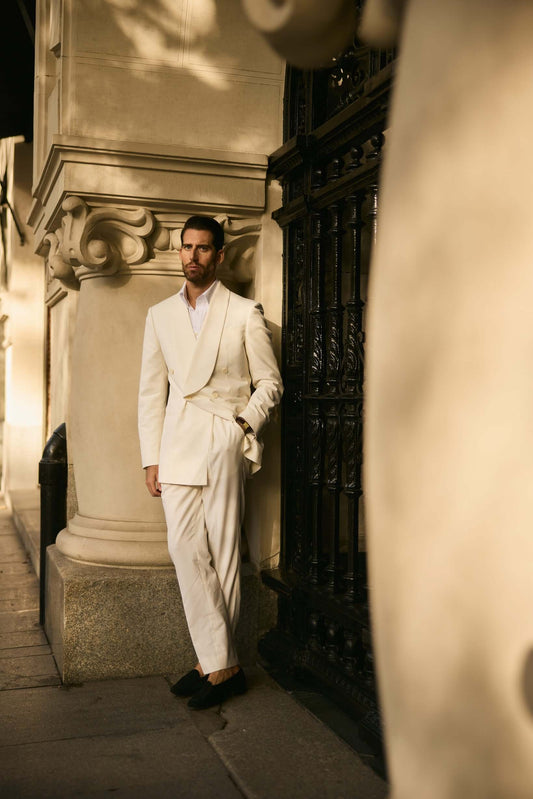

10 Best Suit Colors for Men: Ranked by Versatility & Style
Last modified:Choosing the right suit color is one of the most important decisions when building a versatile wardrobe. A suit may fit perfectly, but if the color only works for one type of event, it will spend most of its time in the closet.
The best suit colors for men are the ones that work across multiple occasions, pair easily with shirts and shoes, and remain useful throughout different seasons. Navy and charcoal gray are still the strongest foundations, but medium gray, brown, beige, green, midnight blue, and other colors can become valuable additions depending on your lifestyle.
This guide ranks 10 suit colors based primarily on versatility, formality, ease of styling, seasonality, and how useful they are in a real-world wardrobe.
Quick Answer
For most men, navy is the best overall suit color because it works for business, weddings, interviews, dinners, and many formal occasions. Charcoal gray is the strongest alternative for professional settings, while medium gray makes an excellent everyday suit. Once those core colors are covered, light gray, brown, beige, black, green, midnight blue, and burgundy can add more seasonal and occasion-specific options to your wardrobe.
10 Best Suit Colors for Men at a Glance

| Rank | Suit Color | Versatility | Best For | Best Season |
|---|---|---|---|---|
| 1 | Navy | Excellent | Business, weddings, interviews, social events | All year |
| 2 | Charcoal Gray | Excellent | Business, interviews, formal occasions | All year |
| 3 | Medium Gray | High | Office, weddings, everyday professional wear | All year |
| 4 | Light Gray | Good | Daytime events, summer weddings, business casual | Spring/Summer |
| 5 | Dark Brown | Good | Business casual, weddings, fall events | Fall/Winter |
| 6 | Tan / Beige | Moderate | Summer weddings, outdoor events, resort occasions | Spring/Summer |
| 7 | Black | Limited | Evening and more formal occasions | All year |
| 8 | Olive / Forest Green | Moderate | Weddings, social events, modern tailoring | Spring/Fall |
| 9 | Midnight Blue | Good | Evening events, weddings, formal occasions | All year |
| 10 | Burgundy | Limited | Cocktail events, weddings, statement dressing | Fall/Winter |
In This Guide
- What Makes a Suit Color Versatile?
- 10 Best Suit Colors for Men
- Which Suit Color Should You Buy First?
- Best Suit Colors for Business
- Best Suit Colors by Occasion
- Best Suit Colors for Your Skin Tone
- How Fit Changes the Appearance of a Suit Color
- Best Suit Color Combinations
- Trending Suit Colors in 2026
- Frequently Asked Questions
What Makes a Suit Color Versatile?
A versatile suit color should work across multiple occasions rather than looking appropriate in only one setting. For this ranking, we considered how useful each color is in real-world wardrobes.
A versatile suit color should:
- Work across business, weddings, formal, and semi-formal occasions
- Pair easily with common shirt, tie, and shoe colors
- Look appropriate during both daytime and evening events
- Work across more than one season
- Remain stylish without depending heavily on short-term trends
Using those criteria, here are the 10 best suit colors for men, ranked primarily by overall versatility.
1. Navy — The Best Overall Suit Color for Men

If you can own only one suit, navy is one of the safest and most useful choices. It works across professional, social, and formal settings without feeling too severe or too casual.
Why Navy Ranks #1
- Works for business, weddings, interviews, dinners, and many formal occasions
- Pairs easily with white, light blue, pale pink, and patterned shirts
- Works with both brown and black footwear
- Can be dressed up with a tie or relaxed with an open-collar shirt
- Works throughout the year
A navy suit is especially useful because changing the shirt, tie, shoes, and accessories can make the same suit work for very different occasions.
For more outfit ideas, see our navy suit combinations guide.
2. Charcoal Gray — The Best Professional Suit Color

Charcoal gray is one of the strongest choices for professional and formal settings. It has a more serious appearance than medium gray while remaining softer and generally more versatile than black.
Why Charcoal Works
- Excellent for offices, interviews, client meetings, and business events
- Pairs easily with white, light blue, and pale gray shirts
- Works particularly well with black and dark brown shoes
- Transitions easily from daytime business to evening events
- Appropriate throughout the year
If most of your suit wearing happens in corporate offices or professional settings, charcoal gray can be almost as useful as navy.
3. Medium Gray — The Best Everyday Suit Color

Medium gray sits between formal charcoal and relaxed light gray, making it one of the easiest suit colors to wear regularly.
Why Medium Gray Works
- Less formal than charcoal but still professional
- Works well for office wear, weddings, dinners, and daytime events
- Pairs with a wide range of shirt and tie colors
- Works with both black and brown footwear
- Can be worn throughout most of the year
Medium gray is particularly useful as a second or third suit because it adds variety without making your wardrobe harder to coordinate.
4. Light Gray — The Best Warm-Weather Neutral

Light gray creates a softer and more relaxed appearance than charcoal or medium gray. It works especially well during spring and summer when darker tailoring can feel unnecessarily heavy.
Where Light Gray Works Best
- Daytime weddings
- Spring and summer events
- Business-casual workplaces
- Garden parties and outdoor celebrations
- Less formal professional occasions
Pair a light gray suit with white, light blue, or pale pink shirts and brown, tan, or selected black footwear. It is not as formal as charcoal, but its seasonal flexibility makes it a valuable addition to a larger suit wardrobe.
5. Dark Brown — The Best Alternative Neutral

Dark brown offers much of the versatility of navy and gray while creating a warmer and less conventional appearance. It is particularly effective for men who already own the traditional foundation colors and want something different without moving into statement tailoring.
Why Dark Brown Deserves a Place in Your Wardrobe
- Pairs naturally with white, cream, and light blue shirts
- Works well with brown and oxblood footwear
- Looks especially strong in textured fabrics
- Works well for business casual, weddings, dinners, and fall events
- Feels distinctive without looking overly bold
Brown is especially useful during fall and winter, although lighter shades can also work well during warmer months.
6. Tan, Khaki, and Beige — Best for Summer Events

Tan, khaki, and beige suits are lighter and less formal than navy or gray, but they become extremely useful during warm weather. Their softer appearance works naturally at summer weddings, outdoor celebrations, garden parties, destination events, and relaxed professional settings.
Why Tan and Beige Work
- Ideal for spring and summer
- Pair naturally with white, cream, light blue, and pastel shirts
- Work especially well with brown, tan, and suede footwear
- Create a polished appearance without looking overly formal
- Suit daytime and outdoor events particularly well
Tan and beige are not replacements for navy or charcoal in conservative professional environments, but they make excellent additions once the core suit colors are already covered.
7. Black — Formal but Less Versatile

Black suits have a clean and formal appearance, but they are less flexible than many men assume. They work best for evening events, selected formal occasions, and situations where a darker, sharper look is appropriate.
Why Black Ranks Lower
- Can look overly severe in everyday business environments
- Offers fewer natural shirt and shoe combinations than navy or gray
- Is less useful for daytime weddings and relaxed events
- Works best during evening or more formal occasions
For most men building a first suit wardrobe, navy or charcoal will provide more everyday value. Black becomes more useful once those versatile foundation colors are already covered.
For true black-tie events, remember that the traditional choice is a tuxedo or dinner suit rather than a standard black business suit.
8. Olive or Forest Green — The Best Modern Alternative

Olive and forest green have become useful alternatives for men who want more personality than traditional navy or gray without moving into extremely bright tailoring.
Why Green Works
- Pairs naturally with white, cream, beige, and light blue shirts
- Works particularly well with brown footwear
- Fits weddings, dinners, social events, and creative workplaces
- Looks especially strong in textured fabrics
- Can work across spring, fall, and selected winter occasions
Darker green shades are generally easier to wear than bright green because they behave more like neutral colors.
For more styling ideas, see our green suit style guide.
9. Midnight Blue — The Best Evening Alternative to Black

Midnight blue sits between traditional navy and black. It has a deep, sophisticated appearance that works especially well during evening weddings, formal dinners, cocktail events, and other dressier occasions.
Why Midnight Blue Works
- Offers a refined evening appearance
- Pairs easily with white and pale blue shirts
- Works with black or dark brown footwear
- Feels more distinctive than standard navy
- Can be dressed formally without looking as severe as black
Midnight blue is not usually the first suit a man needs, but it becomes an excellent option once navy, charcoal, and other core colors are already part of the wardrobe.
10. Burgundy — The Best Statement Suit Color

Burgundy is a stronger statement than navy, gray, or brown, but it can still look refined when the shade is deep and the rest of the outfit is restrained.
Where Burgundy Works Best
- Cocktail parties
- Evening weddings
- Holiday events
- Creative social occasions
- Fall and winter events
Pair burgundy with white, cream, pale blue, or subtle patterned shirts and keep the shoes in dark brown, oxblood, or selected black tones.
Because burgundy draws more attention than neutral tailoring, it works best as an additional suit rather than the foundation of a small wardrobe.
Find the Right Suit Color for Your Wardrobe
Choose your fabric, color, style, and fit to create a custom suit designed around how and where you plan to wear it.
Design Your Custom SuitTrending Suit Colors for Men in 2026

Classic navy, charcoal, and gray remain the foundation of most suit wardrobes, but contemporary tailoring also allows more room for earth tones, softer neutrals, and deeper statement colors.
Olive and Forest Green
Muted greens offer an alternative to traditional navy and gray while remaining relatively easy to coordinate with white, cream, blue, and brown.
Chocolate and Espresso Brown
Deeper brown shades create a warmer alternative to charcoal and work particularly well with textured fabrics and fall or winter tailoring.
Midnight Blue
Midnight blue offers a deeper and more evening-focused interpretation of navy, making it useful for weddings, dinners, and formal social events.
Warm Gray
Warmer gray shades feel softer than traditional charcoal and can work well for men who want a neutral suit that feels slightly less corporate.
Cream and Beige
Light neutral tailoring remains particularly useful for summer weddings, outdoor events, destination occasions, and other warm-weather settings.
Burgundy
Deep burgundy works as a controlled statement color for cocktail events, weddings, and evening occasions when the rest of the outfit remains restrained.
Trends can help expand a wardrobe, but they should generally come after versatile foundation colors such as navy, charcoal, and medium gray.
Best Suit Colors for Your Skin Tone and Undertone

Skin tone can influence which suit colors create the most natural contrast, but it should not be treated as a rigid rule. Your undertone, shirt color, tie, lighting, and personal preference all affect the final result.
Cool Undertones
Men with cooler undertones often find that navy, charcoal gray, medium gray, blue, and deeper burgundy shades create a clean and balanced contrast.
Warm Undertones
Brown, olive green, warm navy, camel, beige, and warmer gray tones often complement warmer undertones particularly well.
Neutral Undertones
Neutral undertones usually work with a broad range of suit colors. Navy, charcoal, medium gray, brown, and muted green are all versatile starting points.
Consider Your Natural Contrast
Contrast matters as much as undertone. If there is strong contrast between your hair, skin, and facial features, deeper suit colors such as navy or charcoal can create a balanced appearance. If your natural coloring has lower contrast, medium gray, softer navy, brown, or lighter neutrals may produce a more harmonious overall look.
Treat these guidelines as starting points rather than strict rules. The most useful suit color is ultimately one that works for your wardrobe, occasions, and preferred style.
How Fit Changes the Appearance of a Suit Color

Color alone doesn’t make a suit versatile — fit does.
A navy or charcoal suit that fits poorly will always look worse than a well-fitted suit in a less “ideal” color.
This is why many men choose custom suits, especially for foundational colors. Custom tailoring ensures:
- Clean shoulder lines
- Proper jacket length
- Balanced proportions
- Comfortable movement
If you’re curious how modern tailoring improves fit accuracy, this guide explains it clearly:
How AI Measurements Deliver a Perfect Fit
Best Suit Color Combinations for Men

A suit color becomes much easier to wear when you know which shirts, shoes, and ties naturally work with it. The following combinations provide reliable starting points.
| Suit Color | Best Shirt Colors | Best Shoe Colors | Best Tie Colors |
|---|---|---|---|
| Navy | White, Light Blue, Pale Pink | Brown, Black, Oxblood | Burgundy, Navy, Green |
| Charcoal Gray | White, Pale Blue, Light Gray | Black, Dark Brown | Navy, Burgundy, Dark Green |
| Medium Gray | White, Light Blue, Pink | Brown, Black | Navy, Burgundy, Green |
| Light Gray | White, Light Blue, Pale Pink | Tan, Brown, Black | Navy, Burgundy, Blue |
| Dark Brown | White, Cream, Light Blue | Brown, Oxblood | Green, Burgundy, Navy |
| Beige / Tan | White, Cream, Light Blue | Tan, Brown, Suede | Navy, Brown, Optional |
| Black | White, Light Gray, Pale Blue | Black | Black, Silver Gray, Burgundy |
| Olive Green | White, Cream, Light Blue | Brown, Oxblood | Burgundy, Brown, Navy |
| Midnight Blue | White, Pale Blue | Black, Dark Brown | Burgundy, Silver Gray, Navy |
| Burgundy | White, Cream, Pale Blue | Dark Brown, Oxblood, Black | Navy, Brown, Dark Green |
These combinations are guidelines rather than fixed rules. Fabric texture, season, event formality, and personal style can all influence the final choice.
Which Suit Color Should You Buy First?
If you are building a suit wardrobe from scratch, start with colors that cover the greatest number of occasions. There is no need to buy several statement colors before you have dependable neutral suits.
If You Own One Suit
Choose navy. It works for business, weddings, interviews, dinners, and many formal or semi-formal events.
If You Own Two Suits
Choose navy and charcoal gray. Together, these two colors cover most professional, formal, wedding, and social situations.
If You Own Three Suits
Add medium gray. It gives you a slightly more relaxed option that still works in professional and dressy settings.
Your Fourth Suit
Choose light gray or dark brown depending on your lifestyle. Light gray is especially useful for warm weather and daytime events, while brown works particularly well for business casual, fall, and social occasions.
Your Fifth Suit and Beyond
Once your foundation is covered, consider beige, olive green, midnight blue, burgundy, or another color that matches the events you attend most often.
Best Suit Colors for Business and Office Wear

The best business suit color depends on how formal your workplace is. Conservative offices benefit from traditional neutral colors, while business-casual and creative workplaces allow more flexibility.
Conservative Corporate Offices
Navy and charcoal gray are the strongest choices. Both look professional, pair easily with standard dress shirts and ties, and work for meetings, presentations, interviews, and client-facing situations.
General Professional Settings
Navy, charcoal, and medium gray all work well. Medium gray feels slightly less formal while still maintaining a professional appearance.
Business-Casual Offices
Medium gray, brown, navy, and selected lighter blues can work well when the dress code allows more individuality.
Creative Workplaces
Brown, olive green, textured navy, and less conventional blues can add personality while still looking polished when the fit and styling remain restrained.
Best Suit Colors by Occasion

Different events call for different levels of formality. Use this quick guide when deciding which suit color fits the occasion.
| Occasion | Best Suit Colors | Why They Work |
|---|---|---|
| Job Interview | Navy, Charcoal | Professional, restrained, and easy to style |
| Business | Navy, Charcoal, Medium Gray | Versatile and appropriate across most professional settings |
| Wedding Guest | Navy, Medium Gray, Light Gray, Brown | Flexible across different venues and seasons |
| Summer Wedding | Light Gray, Beige, Light Blue | Lighter colors suit warm-weather and daytime events |
| Evening Event | Navy, Midnight Blue, Charcoal | Deeper shades feel more refined after dark |
| Cocktail Event | Navy, Brown, Green, Burgundy | Allows slightly more personality while remaining polished |
| Funeral | Charcoal, Dark Navy, Black | Dark and restrained colors are the most appropriate |
For black-tie events, a tuxedo or dinner suit is generally more appropriate than a standard business suit. Black and midnight blue are the traditional tuxedo colors.
Final Thoughts on Choosing the Best Suit Color
The best suit color depends on how often you wear suits, where you wear them, and how large your wardrobe already is. For most men, navy provides the strongest balance of versatility, formality, and ease of styling, with charcoal and medium gray close behind.
Once those core colors are covered, lighter gray, brown, beige, olive green, midnight blue, and burgundy can help you dress more specifically for different seasons, venues, and occasions.
Rather than choosing a suit color based only on what looks interesting in isolation, think about how easily it works with the shirts, shoes, ties, and events already in your wardrobe.
Build a Suit Around Your Style
Explore custom suits in versatile neutrals, seasonal shades, and statement colors designed around your preferred fit.
Explore Custom SuitsFrequently Asked Questions
What is the best suit color for men?
For most men, navy is the best overall suit color because it works for business, weddings, interviews, dinners, and many formal or semi-formal occasions. Charcoal gray is another highly versatile choice, especially for professional settings.
What is the most versatile suit color?
Navy is one of the most versatile suit colors because it pairs easily with white, blue, pink, and patterned shirts and works with both brown and black footwear.
What color suit should a man buy first?
A navy suit is usually the strongest first purchase. If you already own navy, charcoal gray is the next useful addition, followed by medium gray.
What three suit colors should every man consider owning?
Navy, charcoal gray, and medium gray form a practical three-suit foundation because they cover most professional, wedding, interview, and social occasions.
What is the best suit color for business?
Navy and charcoal gray are the strongest business suit colors for most professional environments. Medium gray also works well when the office dress code is slightly less formal.
What is the best suit color for a job interview?
Navy and charcoal are reliable interview choices because they look professional, understated, and easy to coordinate with white or light blue shirts.
What suit colors are best for weddings?
Navy, medium gray, light gray, brown, and selected lighter blues work well for many weddings. The season, venue, and time of day should determine whether you choose a lighter or darker shade.
What suit colors work well with fair or light skin?
Navy, charcoal, medium gray, and deeper blue shades often create useful contrast with lighter complexions. Undertone, hair color, shirt choice, and personal preference should also influence the final decision.
Can you wear a brown or green suit to work?
Yes, depending on the workplace. Dark brown and muted green can work well in business-casual, creative, and less conservative professional environments. Navy and charcoal remain safer choices for highly traditional offices.
Is a black suit more formal than navy?
Black generally creates a more severe and evening-focused appearance, but that does not automatically make a standard black suit appropriate for every formal event. Traditional black tie usually calls for a tuxedo or dinner suit, typically in black or midnight blue.