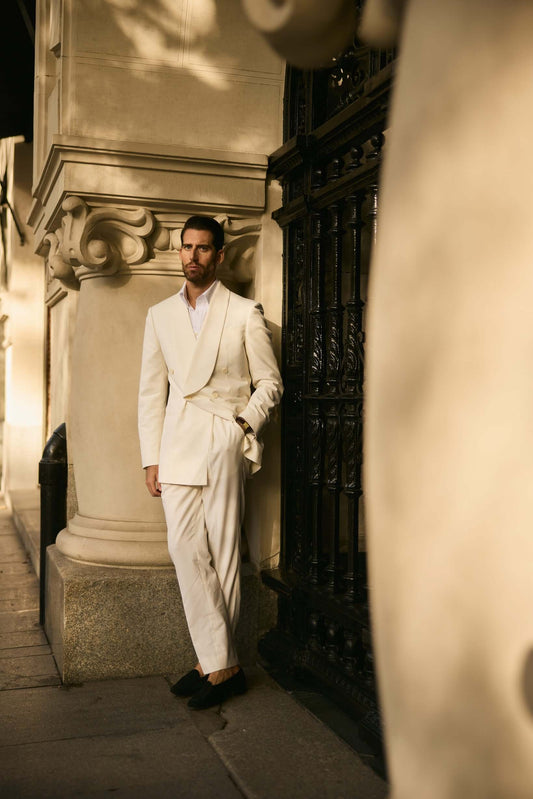
Smart Casual Dress Code for Men: What to Wear and Avoid

Smart Casual Dress Code for Men: What to Wear and Avoid

Last modified:

Smart casual is one of the most commonly used — and commonly misunderstood — dress codes in men's fashion. It is flexible enough to apply across a wide range of situations, yet specific enough that getting it wrong can leave you looking inappropriately dressed. Whether you have received a smart casual dress code on a party invitation or your office has adopted a smart casual standard, this guide will tell you exactly what it means and how to nail it.

Quick Answer

Smart casual for men means combining polished clothing with relaxed pieces. A reliable outfit usually includes a blazer or structured jacket, an Oxford shirt or polo, chinos or tailored trousers, and loafers, Derby shoes, Chelsea boots, or minimalist leather sneakers. A tie is optional, while athletic wear, distressed jeans, graphic T-shirts, and running shoes should generally be avoided.

Key Takeaways

  • Smart casual combines relaxed clothing with polished, structured pieces and overlaps with business casual.
  • A blazer is useful but not always required.
  • Chinos, tailored trousers, and clean dark jeans are the safest bottoms.
  • Loafers, Derby shoes, Chelsea boots, and minimalist leather sneakers work best.
  • Fit, fabric, condition, and coordination matter more than individual brands.
  • When uncertain, dress one level smarter rather than one level more casual.

Contents

What Is Smart Casual?

Smart casual combines elements of casual dressing with more polished, structured pieces. It overlaps with business casual, but it is generally more flexible, expressive, and suitable for social settings. It is the dress code for situations that call for some degree of polish and intentionality without the full formality of a suit and tie. Think of it as looking deliberately put-together without looking formally dressed.

Smart casual events include restaurant dinners, gallery openings, casual dinner parties, networking events, dates, and many modern workplace environments.

Smart Casual at a Glance

Smart casual wardrobe essentials for men including blazers, chinos, shirts, knitwear, polos and leather shoes.

Element Smart Casual Recommendation
Jacket Blazer, sport coat, overshirt, or structured knitwear
Shirt Oxford shirt, dress shirt, polo shirt, or fine-knit sweater
Trousers Chinos, wool trousers, or dark tailored jeans
Shoes Loafers, Derby shoes, Chelsea boots, or minimalist leather sneakers
Tie Optional
Best For Dinners, dates, offices, networking, gallery openings, and casual weddings

The Smart Casual Formula

Smart casual capsule wardrobe for men featuring versatile shirts, jackets, trousers, knitwear and leather footwear.

The most reliable smart casual formula for men:

  • Top layer: A blazer, sport coat, or structured knit — something that provides visual structure without being a suit jacket.
  • Middle layer (optional): A dress shirt, Oxford button-down, or fine-gauge turtleneck.
  • Trousers: Chinos, slim dress trousers, or dark tailored jeans (in the right environment).
  • Shoes: Clean leather shoes or boots; minimalist leather sneakers can work in more relaxed settings, but athletic running shoes generally cannot.

What Clothes Count as Smart Casual?

Smart casual color palette for men showing navy, beige, white, olive, grey, brown and black clothing combinations.

Smart Casual Shirts

Oxford button-down shirts, dress shirts, knitted polos, plain polos, and refined overshirts are all suitable. White, light blue, cream, navy, and subtle stripes are the most versatile options. The shirt should fit cleanly through the shoulders and torso without pulling or excessive fabric. A properly fitted custom dress shirt is especially useful when the outfit relies on clean lines rather than formal accessories.

Smart Casual Jackets

Blazers and sport coats are the easiest way to add structure, but they are not the only options. Tailored overshirts, suede jackets, safari jackets, chore jackets in refined fabrics, and unstructured linen jackets can also work. Learn how the options differ in our blazer vs sport coat vs suit jacket guide.

Smart Casual Trousers

Chinos, wool trousers, pleated trousers, tailored linen trousers, and clean dark jeans are suitable choices. Trousers should have a clean taper or straight silhouette and an appropriate break. Avoid sweatpants, heavily distressed denim, oversized cargo trousers, and technical athletic fabrics.

Smart Casual Knitwear

Fine-gauge merino sweaters, cashmere crewnecks, cardigans, quarter-zips, knitted polos, and turtlenecks can all support a smart casual outfit. Thin, structured knitwear generally looks more refined than bulky or heavily branded casual sweaters.

Smart Casual Shoes

Loafers, Derby shoes, brogues, Chelsea boots, chukka boots, and minimalist leather sneakers are reliable options. Shoes should be clean, well maintained, and appropriate for the setting. Athletic running shoes, hiking shoes, and highly technical sneakers are usually too casual.

Can You Wear Jeans, Sneakers or a Polo for Smart Casual?

Yes, jeans, sneakers, and polo shirts can be part of a smart casual outfit for men, but their fit, design, condition, and the occasion determine whether they are appropriate. A blazer is helpful but not always necessary.

Clothing Item Smart Casual? What Works Best
Dark Jeans Yes, depending on the setting Clean, straight or tapered denim without distressing
Minimalist Sneakers Sometimes Clean, understated leather sneakers with chinos or tailored clothing
Running Shoes Usually No Choose loafers, Derby shoes, or Chelsea boots instead
Polo Shirts Yes Well-fitted polos or knitted polos with chinos or tailored trousers
Blazers Optional An unstructured blazer or sport coat adds polish when needed
Tailored Shorts Occasion-Dependent May work for some relaxed summer events but are unsuitable for many professional settings

When unsure, choose chinos or tailored trousers with a collared shirt and leather footwear. This combination is generally safer than jeans and sneakers for professional or more formal social occasions.

Best Shoes for Smart Casual Outfits

Smart casual shoes for men including loafers, brogues, derby shoes, Chelsea boots and minimalist leather sneakers.

Shoe Style Best Use Formality
Loafers Dinners, dates, offices, summer events Medium to high
Derby Shoes Professional events, restaurants, business settings High
Chelsea Boots Autumn, winter, evening outfits Medium to high
Chukka Boots Relaxed offices and weekend events Medium
Minimalist Leather Sneakers Modern offices, travel, relaxed dinners Low to medium

Match the shoe color to the rest of the outfit rather than treating it as an isolated choice. Brown and burgundy work particularly well with navy, beige, olive, and gray, while black footwear is strongest with charcoal, black, and darker monochromatic combinations.

Smart Casual vs Other Dress Codes

Dress Code Blazer Tie Jeans Sneakers
Casual Optional No Yes Yes
Smart Casual Recommended Optional Dark only Minimal leather
Business Casual Usually Optional Rarely Sometimes
Semi-Formal Suit Usually No No
Black Tie Tuxedo Bow Tie Never Never

Smart casual is often confused with business casual because both can include tailored trousers, collared shirts, blazers, and leather footwear. The main difference is the setting: smart casual offers more flexibility for social occasions, while business casual usually follows workplace expectations.

For workplace-specific guidance, read our business casual guide for men. If you want to understand which jacket suits each setting, see our blazer vs. sport coat vs. suit jacket comparison.

15 Smart Casual Outfit Ideas for Men

1. Navy Blazer, White Oxford Shirt and Beige Chinos

Smart casual outfit featuring a navy blazer, white shirt, beige chinos and brown leather loafers.

This is the most dependable smart casual outfit for men. The navy blazer adds structure, the white Oxford shirt keeps the outfit clean, and beige chinos soften the formality. Complete it with brown loafers or suede Derby shoes. It works particularly well for dinners, dates, networking events, and casual offices.

2. Gray Blazer, Black Polo and Navy Trousers

Gray textured blazer paired with dark trousers and leather shoes for a refined smart casual outfit.

A black knitted polo creates a cleaner and more elevated appearance than a standard cotton polo. Pair it with a gray blazer, navy tailored trousers, and black loafers for an evening-ready outfit. This combination is ideal for restaurants, cocktail bars, and professional social events.

3. Brown Sport Coat, Cream Knit Polo and Olive Chinos

Smart casual outfit with olive trousers, lightweight knitwear and brown leather loafers.

Earth tones create a relaxed but sophisticated smart casual look. Choose a textured brown sport coat, a cream knit polo, and tapered olive chinos. Dark-brown loafers or suede boots finish the outfit. This combination is especially effective during autumn.

4. Linen Blazer, White Shirt and Stone Trousers

Summer smart casual outfit featuring a light linen shirt, tailored trousers and loafers.

For warm weather, choose a lightweight linen blazer over a white open-collar shirt with stone or cream trousers. Brown loafers, woven leather shoes, or clean suede shoes maintain the polished appearance without making the outfit feel heavy. Explore our linen suits for breathable warm-weather tailoring.

5. Navy Suit Without a Tie

Business smart casual outfit with a navy blazer, light blue shirt, tailored trousers and brown leather shoes.

A navy suit can become smart casual when worn with an open-collar shirt, a soft-shouldered jacket, and less formal shoes. Avoid a highly structured business suit or glossy accessories. Brown loafers or minimalist leather sneakers help relax the overall appearance. See our navy suit combinations guide for more styling ideas.

6. Merino Crewneck Sweater and Wool Trousers

Smart casual look with a navy polo shirt, tailored trousers and leather loafers.

Wear a fine-gauge merino crewneck over an Oxford shirt and pair it with tailored wool trousers. The combination provides warmth without bulk and works especially well for winter offices, dinners, and travel. Finish with Chelsea boots or leather Derby shoes.

7. Camel Sport Coat, Light-Blue Shirt and Charcoal Trousers

Smart casual outfit featuring a light blue Oxford shirt, dark trousers and brown dress shoes.

A camel sport coat brings warmth to neutral tailoring. Pair it with a light-blue shirt, charcoal trousers, and dark-brown leather shoes. This outfit is refined enough for business-related occasions while remaining more relaxed than a traditional suit.

8. Dark Jeans, Navy Blazer and Dress Shirt

Evening smart casual outfit featuring a navy blazer, dress shirt and tailored trousers.

Dark jeans can work for smart casual dressing when they are clean, slim or straight, and free from fading or distressing. Add a navy blazer and a white or pale-blue dress shirt. Chelsea boots or loafers keep the outfit polished.

9. Knit Polo and Pleated Trousers

Smart casual outfit with a navy knit polo shirt, cream trousers and suede loafers.

A knit polo paired with high-quality pleated trousers creates a modern smart casual silhouette. Choose neutral colors such as navy, cream, brown, or olive. Loafers work especially well because they support the relaxed tailoring aesthetic.

10. Overshirt, Oxford Shirt and Chinos

Smart casual outfit with a textured blazer, Oxford shirt, chinos and brown leather shoes.

A structured overshirt is a useful alternative to a blazer. Wear it over an Oxford shirt or fine knit with tapered chinos. Choose wool, suede, brushed cotton, or heavyweight twill rather than a casual workwear-style overshirt.

11. Turtleneck, Charcoal Trousers and Sport Coat

Charcoal textured jacket styled with tailored trousers and leather shoes for a smart casual appearance.

A fine-gauge turtleneck under a textured sport coat creates a sophisticated cold-weather outfit. Keep the colors restrained: charcoal, navy, camel, cream, or dark brown. Finish with Chelsea boots or polished loafers.

12. Safari Jacket and Cream Trousers

Olive overshirt paired with light trousers and loafers for a relaxed smart casual look.

A tailored safari jacket adds character while preserving structure. Pair an olive, tan, or navy jacket with cream trousers and a polo or open-collar shirt. This outfit is particularly effective for spring, travel, and outdoor dining.

13. Double-Breasted Blazer and Gray Trousers

Smart casual outfit with a navy breasted jacket grey trousers and brown loafers.

A soft double-breasted blazer can look smart casual when paired with an open-collar shirt or knit polo. Avoid highly formal fabrics and padded shoulders. Gray trousers and suede loafers help balance the jacket's stronger visual presence.

14. Suede Jacket and Dark Denim

Brown casual jacket layered over a white shirt with chinos for a modern smart casual outfit.

A clean suede jacket in tan, chocolate, or navy can replace a blazer in relaxed settings. Wear it with a white Oxford shirt, dark denim, and brown Chelsea boots. Keep the design simple and avoid excessive zips or biker-style detailing.

15. Cashmere Sweater, Dress Pants and Loafers

Beige knit sweater styled with dark tailored trousers and leather loafers for a timeless smart casual outfit.

A cashmere or fine merino sweater with tailored dress pants creates an understated smart casual outfit. Add a collared shirt underneath when more polish is required. This is an easy option for restaurants, offices, flights, and evening events.

Need more outfit inspiration for a specific event? Explore our 18 smart casual outfits for men, featuring complete combinations for office days, dinners, weddings, weekends, and seasonal occasions.

Smart Casual Dress Code by Occasion

Collection of smart casual outfit ideas for men featuring blazers, knitwear, polos, chinos and loafers.

Smart Casual for a Restaurant or Dinner

A blazer, neat shirt or knit polo, tailored trousers, and leather shoes is the safest formula. Dark jeans may work at relaxed restaurants, but choose proper trousers for fine dining. Avoid running shoes, graphic T-shirts, and distressed denim.

Smart Casual for a Date

A textured sport coat, knit polo, chinos, and loafers creates a polished outfit without appearing overly formal. For a more relaxed date, choose dark denim, a well-fitted Oxford shirt, and suede Chelsea boots.

Smart Casual for the Office

Follow the more conservative end of the dress code. Wear chinos or wool trousers with an Oxford shirt, polo, structured knit, or blazer. Minimalist sneakers may be acceptable in creative workplaces, but leather shoes are safer in traditional offices.

Smart Casual for Networking Events

Choose a dress shirt or knit polo with a blazer, tailored trousers, and polished shoes. Networking events are professional occasions even when the venue is relaxed, so it is better to appear slightly overdressed than too casual.

Smart Casual for a Casual Wedding

A blazer, dress shirt, tailored trousers, and loafers can satisfy a casual wedding dress code. However, always consider the venue, season, and time of day. For more guidance, see our wedding outfits for men guide or explore our wedding suits.

Smart Casual for a Gallery Opening

Gallery openings allow more individuality. Consider a textured sport coat, turtleneck, patterned shirt, pleated trousers, or a distinctive jacket in olive, burgundy, camel, or brown. Keep the silhouette refined and avoid turning the outfit into costume.

Smart Casual for a Party

For house parties and evening celebrations, combine dark trousers or dark jeans with a knit polo, open-collar shirt, suede jacket, or blazer. Use texture and richer colors to create interest without relying on large logos or loud graphics.

Smart Casual for Travel

Choose wrinkle-resistant trousers, a breathable polo or Oxford shirt, a merino sweater, and a lightweight unstructured jacket. Clean leather sneakers or loafers offer comfort while maintaining a polished appearance.

How to Take a Smart Casual Outfit From Day to Night

A strong smart casual wardrobe should adapt without requiring a complete outfit change. Start during the day with chinos, an Oxford shirt, a lightweight blazer, and loafers or minimalist leather sneakers. For the evening, switch the sneakers for polished loafers or Chelsea boots, replace a casual shirt with a knit polo or open-collar dress shirt, and introduce a darker jacket or richer texture.

Daytime Choice Evening Upgrade
Light-blue Oxford shirt Black, navy, or burgundy knit polo
Stone chinos Charcoal or navy dress pants
Minimalist sneakers Loafers or Chelsea boots
Lightweight overshirt Textured blazer or sport coat
Canvas or casual belt Matching leather belt

How to Dress Smart Casual Throughout the Year

Smart casual outfits for spring, summer, autumn and winter featuring season-appropriate fabrics and layering.

Spring

Choose lightweight wool blazers, chinos, Oxford shirts, and loafers in lighter colors.

Summer

Linen jackets, breathable cotton shirts, and loafers keep you cool while maintaining a polished appearance. Explore our Summer Suits and Linen Suit Collection.

Autumn

Layer sport coats with merino knitwear and Chelsea boots in olive, camel, and burgundy.

Winter

Flannel trousers, cashmere sweaters, and structured custom overcoats make smart casual dressing easier during colder months.

12 Smart Casual Mistakes Every Man Should Avoid

Smart casual mistakes to avoid

1. Wearing Athletic Running Shoes

Technical running shoes are designed for exercise and usually undermine the polished side of smart casual. Choose loafers, boots, Derby shoes, or minimalist leather sneakers instead.

2. Choosing Distressed Jeans

Rips, heavy fading, frayed hems, and excessive whiskering make denim look too casual. Choose clean dark-indigo or black jeans with minimal detailing.

3. Wearing Graphic T-Shirts

Large graphics, slogans, and prominent logos attract attention for the wrong reason. A plain premium T-shirt may work under a blazer in relaxed environments, but an Oxford shirt or knit polo is safer.

4. Wearing an Oversized Hoodie

Standard athletic hoodies lack the structure required for smart casual dressing. Replace them with fine knitwear, a cardigan, quarter-zip, or refined overshirt.

5. Ignoring Fit

An expensive blazer will not look polished if the shoulders are too wide, the sleeves are too long, or the body pulls when buttoned. Fit should be addressed before color, accessories, or branding.

6. Wearing Wrinkled Clothing

Smart casual depends on intentional presentation. Steam or press shirts and trousers, clean footwear, and remove lint before leaving home.

7. Dressing Too Formally

A tuxedo, formal three-piece suit, stiff business shirt, and silk tie can look out of place at a smart casual event. Relax formal tailoring by removing the tie and choosing softer fabrics or less formal footwear.

8. Wearing Too Many Statement Pieces

One distinctive item is usually enough. If the jacket has a bold pattern, keep the shirt, trousers, shoes, and accessories understated.

9. Choosing Inappropriate Shorts

Shorts are accepted only in limited warm-weather environments. Even then, choose tailored shorts with a polo or linen shirt rather than athletic, cargo, or board shorts.

10. Wearing Dirty or Damaged Shoes

Shoes strongly influence how polished an outfit appears. Clean and condition leather, replace worn laces, and avoid heavily marked sneakers.

11. Mixing Conflicting Levels of Formality

A business suit jacket with ripped jeans and running shoes does not become smart casual merely because formal and casual pieces are combined. The items must share compatible fabrics, colors, and proportions.

12. Ignoring the Venue

Smart casual is contextual. An outfit suitable for a creative office may be too relaxed for a fine restaurant or professional networking event. Consider the location, time, host, and audience before choosing the outfit.

How Smart Casual Clothes Should Fit

Blazer Fit

The shoulder seam should end where your natural shoulder ends. The jacket should close without pulling, and the sleeves should reveal approximately a small amount of shirt cuff. The hem should generally cover most of the seat without appearing excessively long.

Shirt Fit

The collar should sit comfortably around the neck, the shoulder seams should align correctly, and the body should follow your shape without pulling across the buttons. Excess material around the waist makes the outfit appear untidy.

Trouser Fit

Smart casual trousers should sit securely at the waist and fall cleanly through the leg. A slight or no break is usually the most versatile finish. Avoid excessive stacking at the ankle or trousers that pull tightly across the thighs.

Sweater Fit

Fine knitwear should fit close to the body while leaving enough room for a shirt underneath. Sleeves should end at the wrist, and the hem should not extend far below the waistband.

Understanding the difference between silhouettes can help you choose the right proportions. See our guide to slim fit vs regular fit.

Build a Smart Casual Wardrobe That Fits

From refined blazers to well-fitted shirts, discover custom menswear designed to complement your everyday style.

Explore Custom Sport Coats

Build a Smart Casual Capsule Wardrobe

A compact smart casual wardrobe should allow most pieces to work together. Start with neutral colors, then introduce texture and seasonal accents.

Item Recommended Quantity Best Colors
Sport Coats 2 Navy and gray or brown
Oxford Shirts 3 White, light blue, subtle stripe
Knit Polos 2 Navy, cream, olive, or burgundy
Fine-Gauge Sweaters 2 Gray, camel, navy, or charcoal
Chinos 2 Stone and navy or olive
Wool Trousers 1–2 Charcoal or mid-gray
Dark Jeans 1 Dark indigo or black
Loafers or Derby Shoes 1 Dark brown or burgundy
Chelsea Boots 1 Brown or black
Minimalist Sneakers 1 White, cream, or black leather

Smart Casual Color Palette

The most reliable smart casual colors for men:

  • Navy, charcoal, and gray — foundational, versatile, and appropriate for most smart casual settings
  • Camel, tan, and stone — warm, versatile neutral accents
  • Olive and sage green — increasingly mainstream in smart casual contexts
  • Burgundy and deep rust — rich accent tones for blazers or shirts
  • White and light blue — shirt staples

Best Smart Casual Color Combinations

Best smart casual color combinations for men featuring navy, olive, beige, grey and brown outfit inspiration.

Jacket Shirt or Knitwear Trousers Shoes
Navy blazer White Oxford shirt Stone chinos Brown loafers
Gray blazer Light-blue shirt Navy dress pants Black Derby shoes
Camel sport coat Cream knit polo Olive chinos Dark-brown boots
Olive jacket White or cream shirt Stone trousers Dark-brown loafers
Brown sport coat Light-blue Oxford shirt Gray trousers Burgundy loafers
Charcoal blazer Black turtleneck Mid-gray trousers Black Chelsea boots

Smart Casual Checklist

  • ✓ Well-fitted blazer
  • ✓ Oxford or dress shirt
  • ✓ Chinos or wool trousers
  • ✓ Leather loafers
  • ✓ Brown leather belt
  • ✓ Dress watch
  • ✓ Neutral colors
  • ✓ Proper fit

Common Smart Casual Questions Answered

Can I wear a tie with smart casual?

You can, but it is generally unnecessary. Smart casual does not require a tie, and adding one can push the look into business casual territory. If you wear a tie, keep it casual — a knit tie or a relaxed wool tie works better than a formal woven silk tie.

Are jeans acceptable for smart casual?

Dark, clean, slim-fitting jeans in good condition are generally acceptable for smart casual. Avoid distressed, faded, or light-wash denim in most contexts.

Can I wear sneakers for smart casual?

Leather sneakers or minimalist white sneakers can work in more relaxed smart casual contexts. Athletic sneakers typically do not.

Can I wear a polo shirt for smart casual?

Yes. A well-fitted polo shirt is one of the most useful smart casual pieces. Knitted polos and polos made from smooth, substantial cotton generally appear more refined than thin athletic polos. Pair one with chinos, wool trousers, a blazer, or an unstructured jacket.

Can I wear a T-shirt for smart casual?

A plain, high-quality T-shirt can work in relaxed smart casual environments when worn with a blazer, tailored trousers, and polished footwear. Avoid graphic prints, large logos, stretched collars, and oversized silhouettes. A collared shirt remains the safer choice for professional or formal settings.

Can I wear chinos for smart casual?

Yes. Chinos are among the most dependable smart casual trousers. Choose a clean, tailored pair in navy, stone, beige, olive, or charcoal. Avoid extremely tight fits, excessive pocket detailing, and heavily washed fabrics.

Can I wear shorts for smart casual?

Tailored shorts may work in warm-weather resort settings, outdoor lunches, or relaxed summer events, but they are not universally accepted. Avoid shorts for professional events, fine dining, evening occasions, and any invitation where the expected level of formality is unclear.

Does smart casual require a blazer?

No. A blazer is helpful because it instantly adds structure, but it is not mandatory. A fine-gauge sweater, structured overshirt, suede jacket, knit polo, or refined safari jacket can also create a smart casual outfit when paired with tailored trousers and appropriate shoes.

Can I wear a suit for smart casual?

Yes, provided the suit is styled in a relaxed way. Choose a softer, less structured suit and wear it without a tie. An open-collar shirt, knit polo, loafers, or minimalist leather sneakers can reduce the formality. Avoid tuxedos and highly formal black business suits.

Should a smart casual shirt be tucked in?

Dress shirts and Oxford shirts generally look better tucked in, particularly with a blazer or tailored trousers. A polo or casual shirt may be worn untucked when the hem is designed for it and ends around mid-fly. Avoid untucked shirts that are excessively long or billowy.

Is smart casual the same as business casual?

No. Business casual is usually more conservative and workplace-focused, while smart casual allows greater use of denim, sneakers, knitwear, color, and relaxed jackets. Read our complete business casual guide for men for a detailed comparison.

What should I wear when an invitation says smart casual?

Choose a blazer or structured jacket, collared shirt or knit polo, chinos or tailored trousers, and leather shoes. Consider the venue and time of day. For an evening event, use darker colors and more polished shoes; for a daytime event, lighter colors and relaxed fabrics are appropriate.

Can I wear black for smart casual?

Yes. Black trousers, black jeans, knitwear, polos, jackets, and shoes can all work. Avoid making every item black unless you intentionally want a monochromatic outfit. Combining black with gray, cream, camel, olive, or white often creates more visual depth.

Why Custom Clothing Makes Smart Casual Easier

The difference between looking acceptable and looking exceptional often comes down to fit. Custom clothing ensures the shoulders sit correctly, sleeves end at the proper length, and trousers break cleanly over your shoes. Even a simple navy blazer and chinos combination looks noticeably sharper when tailored specifically for your body.

Build your wardrobe around properly fitted essentials with our custom sport coats, custom dress shirts, dress pants, and custom suits.

Final Thoughts

Smart casual is not defined by one compulsory outfit. It is the practice of combining relaxed clothing with enough structure, fit, and refinement to look intentional. Start with a polished foundation: a well-fitted jacket or knit, clean trousers, and appropriate shoes. Then adjust the level of formality for the venue, season, and occasion.

When in doubt, a navy sport coat, white or light-blue Oxford shirt, tailored chinos, and brown loafers remains one of the most reliable smart casual combinations a man can wear.

Build your wardrobe around properly fitted essentials with our custom sport coats, custom dress shirts, dress pants, and custom suits.

Back to blog

Leave a comment

Please note, comments need to be approved before they are published.

  • Royal Blue vs Navy Blue: What's the Difference and Which Should You Wear?

    Royal Blue vs Navy Blue: What's the Difference and Which Should You Wear?

    Last modified:

    Royal blue and navy blue belong to the same color family, but put them side by side and the difference is easy to see. One is brighter, more energetic, and designed to stand out. The other is darker, more understated, and one of the most versatile colors in menswear. Understanding royal blue vs navy blue becomes especially useful when choosing a suit. The color can change how formal the outfit feels, which shirts and shoes work naturally with it, and whether the suit is better suited to business, weddings, or social occasions. Quick answer: Royal blue is a brighter, more vivid shade of blue, while navy blue is significantly darker and deeper. In menswear, royal blue generally creates a bolder and more contemporary appearance, while navy blue looks more restrained, traditional, and formal. Navy is usually the more versatile suit color, while royal blue works particularly well when you want the outfit to stand out. Here is how the two colors compare. Royal Blue vs Navy Blue: What's the Difference? The easiest way to understand the difference is through brightness and depth . Royal blue is noticeably brighter. Navy blue is much darker and can sometimes appear almost black in low light. Feature Royal Blue Navy Blue Overall appearance Bright and vivid Dark and deep Visual impact Stronger More restrained Formality Moderate Higher Business versatility Moderate Excellent Wedding use Excellent Excellent Evening wear Bold Classic Shirt pairing White/light colors Extremely versatile Shoe pairing Brown, black, burgundy Brown, black, burgundy Overall mood Energetic, modern Classic, sophisticated Neither color is inherently better. They simply serve different purposes. What Does Royal Blue Look Like? Royal blue is a bright, saturated blue . It has much more visual energy than navy and is immediately recognizable as blue even from a distance. In tailoring, this makes a royal-blue suit more noticeable than a navy suit. That can be useful for: Weddings Celebrations Cocktail events Parties Social occasions Events where you want a more distinctive suit Because the color itself already makes a statement, the rest of the outfit often works best when it remains relatively controlled. A crisp white shirt, restrained tie, and well-chosen shoes allow royal blue to remain the focal point. What Does Navy Blue Look Like? Navy blue is a very dark shade of blue . Depending on the fabric and lighting, it can sometimes appear close to black. But unlike black, navy retains enough blue to create depth and flexibility. That makes it one of the most versatile colors in classic menswear. A navy suit can work for: Business Interviews Weddings Formal events Dinner Professional meetings Cocktail events Everyday tailoring If you are building a suit wardrobe from the beginning, navy is often easier to reuse across different occasions. For outfit ideas, see our guide to navy suit combinations that always look sharp . Is Royal Blue Lighter Than Navy Blue? Yes. Royal blue is significantly lighter and brighter than navy blue. This is the most obvious difference between the two colors. Imagine blue on a spectrum moving from light to dark. Royal blue sits toward the vivid, brighter side. Navy sits much closer to the dark end. This difference affects more than appearance. A darker color generally makes tailoring feel more restrained and formal, while a brighter color attracts more attention. That is why a navy suit can move naturally from an office to an evening event, while a royal-blue suit tends to have more personality from the beginning. Is Royal Blue the Same as Navy Blue? No. Royal blue and navy blue are different shades of blue . They may sometimes be grouped together loosely as "blue," particularly in product descriptions or casual conversation, but visually they are quite different. Royal blue is brighter. Navy blue is darker. If you are buying a suit online or coordinating outfits for a wedding, do not assume that two garments described simply as "blue" will match. Look at the actual shade. Royal Blue Suit vs Navy Blue Suit This is where the distinction becomes especially useful. A royal-blue suit tends to look: Brighter Bolder More contemporary More noticeable More celebratory A navy suit tends to look: Darker More traditional More understated More professional More versatile Your choice should depend on where you plan to wear the suit. Which Is More Formal: Royal Blue or Navy Blue? Navy blue is generally the more formal of the two. Its darker tone allows it to work naturally in professional and formal environments. Royal blue can still look elegant and dressed up, but its brightness gives it a more expressive character. For example: Navy suit + white shirt + dark tie + black shoes creates a restrained professional outfit. Compare that with: Royal-blue suit + white shirt + patterned tie + brown shoes which creates a much more noticeable appearance. Both can look polished. They simply communicate differently. Royal Blue vs Navy Blue for Business For traditional business settings, navy is usually the safer choice . A navy suit is easy to combine with: White shirts Light-blue shirts Conservative ties Black shoes Dark-brown shoes Burgundy shoes It also works across industries and levels of formality. Royal blue can work in less conservative professional environments, but it attracts more attention. If your workplace expects traditional business-professional attire, navy usually offers more flexibility. For more guidance, read our business professional attire for men . Royal Blue vs Navy Blue for an Interview For most interviews, choose navy . An interview outfit usually benefits from being polished without allowing the clothing to become the main point of attention. A classic combination is: Navy suit + white or light-blue dress shirt + restrained tie + dark dress shoes Royal blue is not automatically inappropriate, particularly in creative or less conservative industries, but it creates a stronger visual statement. When uncertain, navy is the safer option. Royal Blue vs Navy Blue for a Wedding This is where both colors become excellent choices. Royal Blue Wedding Suit Royal blue works particularly well when you want the suit to feel celebratory and distinctive. It can be a strong choice for: Groom's suits Spring weddings Summer weddings Daytime ceremonies Destination weddings Contemporary wedding themes Because royal blue is already visually strong, a white shirt creates an excellent foundation. Navy Wedding Suit Navy is the more timeless option. It works across: Daytime weddings Evening weddings Spring Summer Fall Winter Traditional ceremonies Modern ceremonies It is also easy to coordinate with different wedding color palettes. If you are deciding what to wear, our wedding suits for men guide covers colors, fabrics, formality, and styling. You can also browse Bold Italia wedding suits . Which Blue Should a Groom Wear? Either can work. Choose royal blue if you want the groom's suit to have a brighter, more distinctive presence. Choose navy if you want something classic that can transition easily from ceremony to evening reception and remain useful after the wedding. The wedding venue also matters. Royal blue can look particularly natural at a bright daytime or destination wedding. Navy can feel especially appropriate for a traditional or evening ceremony. The groom does not need to choose whichever blue is currently more fashionable. The better choice is the shade that fits the wedding and the wearer's personal style. Royal Blue vs Navy Blue for a Summer Suit Royal blue's brightness can work particularly well during spring and summer. It pairs naturally with lighter shirts and can create a vibrant look for weddings and social events. Navy is still an excellent summer color, particularly when the fabric itself is lightweight. Remember that color and fabric weight are separate considerations . A dark navy suit made from an appropriate lightweight fabric can be more comfortable than a royal-blue suit made from something heavy. For warm-weather tailoring, see our summer suit guide . Royal Blue vs Navy Blue for Evening Events Navy generally has the advantage for evening events. Its darker appearance works naturally in lower light and creates a more restrained, sophisticated look. Royal blue remains more visible and expressive. That does not make royal blue wrong for evening wear—it simply means the suit will have a stronger visual presence. If the event is conservative or particularly formal, navy is generally easier. For a cocktail party or celebratory evening event, royal blue can be an excellent alternative. What Shirts Go With Royal Blue? Because royal blue already provides plenty of color, simpler shirts are usually easiest. White Shirt The safest and most versatile combination. White creates strong, clean contrast without competing with the suit. Light-Blue Shirt A light-blue shirt can create a tonal combination, although there should be enough contrast between the shirt and suit. Pale Pink Shirt A restrained pale pink can work when the rest of the outfit remains balanced. If you introduce patterns, keep the tie and accessories under control so the outfit does not become visually crowded. You can browse Bold Italia dress shirts or consider a custom dress shirt . What Shirts Go With Navy Blue? Navy offers even more flexibility. It works naturally with: White Light blue Pale pink Subtle stripes Restrained checks Other soft dress-shirt colors A white shirt is still the easiest choice when you want maximum contrast and formality. A light-blue shirt creates a softer tonal look that works particularly well for business. What Color Tie Goes With Royal Blue? Because the suit itself is bright, consider ties with enough depth to balance it. Good starting points include: Burgundy Navy Dark blue Deep green Restrained patterns For example: Royal-blue suit + white shirt + burgundy tie creates a strong but controlled combination. Avoid adding several equally bright colors unless the occasion specifically calls for a highly expressive outfit. What Color Tie Goes With Navy Blue? Navy is extremely flexible. It can work with: Burgundy Green Red Blue Gray Patterned ties The shirt and occasion should determine the final choice. A navy suit with a white shirt and burgundy tie is a dependable wedding or professional combination. For a complete breakdown of tie coordination, read our guide to how to match a tie with a suit . What Color Shoes Go With Royal Blue? Royal blue suits can work with several shoe colors. Dark Brown One of the easiest combinations. The warmth of brown contrasts naturally with the brighter blue. Medium Brown Useful for daytime weddings and less formal events. Burgundy or Oxblood Adds depth while keeping the outfit distinctive. Black Creates a sharper and more formal contrast. For a very formal occasion, darker footwear is usually easier than very light brown or tan. What Color Shoes Go With Navy Blue? Navy works with: Black Dark brown Medium brown Burgundy Oxblood Black moves the outfit toward the formal end. Brown creates a warmer and slightly more relaxed combination. Burgundy and oxblood sit comfortably between the two and can add subtle personality. Royal Blue vs Navy Blue With Brown Shoes Both colors work with brown shoes, but the effect changes. Royal blue + brown shoes creates stronger contrast and generally feels more expressive. Navy + dark-brown shoes looks more understated and versatile. For weddings and daytime events, either can work beautifully. For conservative professional environments, navy with dark brown—or black—is usually the safer direction. Royal Blue vs Navy Blue With Black Shoes Black shoes make both colors feel more formal. With royal blue, black footwear provides a dark foundation that helps balance the brighter suit. With navy, black creates a particularly restrained and professional combination. If you need one outfit for a serious business setting, navy with black shoes is difficult to get wrong. Can You Wear Royal Blue and Navy Blue Together? Yes. Because the colors have clearly different levels of brightness, they can work together when there is enough visual separation. For example, a royal-blue element can be paired with a deeper navy element as part of a coordinated outfit. The important thing is that the colors look intentionally different. If two blues are extremely close but not identical, the combination can sometimes look like an unsuccessful attempt to match them. Contrast is easier to style than an almost-match. Which Color Looks Better With White? Both. White is one of the easiest colors to pair with either shade. Royal blue + white creates a brighter, higher-contrast combination. Navy + white creates a classic, crisp combination. That is why a white dress shirt is such a reliable choice for both royal-blue and navy suits. The difference comes from the suit color itself rather than the shirt. Which Color Is More Versatile? Navy blue. If you are choosing one suit to cover as many situations as possible, navy is generally the better investment. It can move between: Business → Interview → Wedding → Dinner → Cocktail Event → Formal Occasion with relatively small changes to the shirt, tie, shoes, and accessories. Royal blue is still versatile, but its brighter appearance makes it less neutral. It excels when you specifically want your suit to have more visual presence. Which Color Stands Out More? Royal blue. Its greater brightness and saturation naturally attracts more attention. This makes royal blue useful when you want a suit to feel celebratory or distinctive. Navy does almost the opposite. It provides a strong foundation while allowing the shirt, tie, pocket square, and other details to determine how expressive the outfit becomes. Neither approach is superior. It depends on what you want the clothing to do. Royal Blue vs Navy Blue: Which Should You Choose? Use the occasion as your guide. Situation Better Starting Choice Conservative Business Navy Job Interview Navy Everyday Professional Suit Navy Traditional Wedding Navy Modern Wedding Either Groom Who Wants to Stand Out Royal Blue Summer Celebration Royal Blue Cocktail Event Either Evening Event Navy First Versatile Suit Navy Statement Suit Royal Blue Year-Round Suit Navy These are guidelines rather than strict rules. A beautifully fitted royal-blue suit can look far more appropriate than a poorly fitting navy suit. Does Fit Matter More Than the Shade of Blue? In many situations, yes. Color determines the character of the outfit, but fit determines whether the suit actually looks polished. Regardless of whether you choose royal blue or navy, pay attention to: Shoulders Chest Jacket waist Sleeve length Jacket length Trouser waist Trouser length A brighter color can also make certain fit issues more noticeable because the suit attracts more visual attention. Use our complete suit fit checklist to evaluate the complete silhouette. Royal Blue vs Other Blue Suit Shades Royal blue and navy are not the only choices. Blue tailoring can range from very pale shades through medium blue and all the way to extremely dark navy. The best shade depends on how formal and versatile you want the suit to be. As a general styling principle: Lighter/brighter blue → more noticeable and often more relaxed Darker blue → more restrained and generally more formal This is why navy remains such a dependable foundation for a tailored wardrobe. If you're comparing colors before choosing a suit, our guide to the best suit colors for men provides a broader comparison. Common Royal Blue and Navy Blue Styling Mistakes Assuming All Blue Suits Are the Same Royal blue and navy create noticeably different levels of visual impact and formality. Choosing Royal Blue for an Extremely Conservative Setting A brighter suit can attract more attention than the occasion calls for. Assuming Navy Is Boring Navy's neutrality is exactly what makes it easy to change through shirts, ties, shoes, and accessories. Using Too Many Bright Colors With Royal Blue Let the suit provide the primary visual statement. Wearing Shoes Without Considering Formality The right color combination can still be too casual for the occasion. Trying to Match Different Blues Exactly When combining shades of blue, intentional contrast generally works better than an obvious near-match. Choosing Color Before Checking Fit Neither royal blue nor navy will compensate for poor jacket and trouser proportions. Royal Blue vs Navy Blue: The Bottom Line So, what is the difference between royal blue vs navy blue ? Royal blue is brighter, more vivid, and more noticeable. Navy blue is darker, deeper, more restrained, and generally more formal. For suits, the decision becomes straightforward: Choose royal blue when you want a bold, modern look with more visual presence—particularly for weddings, celebrations, and social occasions. Choose navy blue when you want maximum versatility for business, interviews, weddings, evening events, and other occasions. If you are buying your first highly versatile blue suit, navy is usually the stronger starting point. If you already own classic tailoring and want something that stands out more, royal blue can add a distinctly different character to your wardrobe. Whichever blue you choose, build the outfit around the occasion and make fit the priority. For greater control over your suit's color, fabric, fit, and styling details, browse Bold Italia custom suits .

  • What Color Shoes Go With a Grey Suit? Complete Men's Guide

    What Color Shoes Go With a Grey Suit? Complete Men's Guide

    Last modified:

    A gray suit is one of the most versatile pieces in a man's wardrobe, but choosing the wrong shoes can change the entire character of the outfit. Should you wear black? Dark brown? Burgundy? Can you wear tan shoes with a gray suit? The answer depends largely on the shade of gray and the formality of the occasion. Quick answer: Black, dark brown, burgundy, and oxblood shoes can all work with a gray suit. Black is the safest choice for formal and professional settings, while dark brown creates a slightly softer look. Burgundy and oxblood add controlled color without overwhelming the suit. Lighter brown and tan shoes work best with light or medium-gray suits in less formal settings but are usually less suitable with charcoal. Here is how to choose the right combination. What Color Shoes Go With a Gray Suit? Use the shade of your suit as the starting point. Gray Suit Best Shoe Colors Overall Effect Light Gray Brown, tan, burgundy, black Versatile to relaxed Medium Gray Black, dark brown, burgundy, oxblood Highly versatile Charcoal Black, dark brown, oxblood More formal Dark Gray Black, dark brown, burgundy Polished Patterned Gray Black or restrained brown/burgundy Keeps outfit balanced If you want one combination that is difficult to get wrong, choose: Gray suit + black shoes. If you want something slightly warmer and less formal: Gray suit + dark brown shoes. The rest depends on where you are going and how dark the suit is. Can You Wear Black Shoes With a Gray Suit? Yes. Black shoes are one of the safest choices with a gray suit. They work particularly well with: Charcoal suits Dark-gray suits Medium-gray suits Business attire Formal events Evening occasions Black creates a clean, understated foundation and allows the suit, shirt, and tie to carry the rest of the outfit. For a classic professional combination, try: Medium-gray suit + white shirt + dark tie + black Oxford shoes For something more formal: Charcoal suit + white shirt + burgundy or navy tie + black shoes Black is especially useful when you are unsure about the dress code because it generally moves a gray suit toward the more formal end of the spectrum. Can You Wear Brown Shoes With a Gray Suit? Absolutely. Brown shoes and a gray suit are a classic combination, but the shade of brown matters. Dark brown is the most versatile. It creates enough contrast with gray while remaining polished enough for many professional, wedding, and smart-casual settings. Medium brown creates a more relaxed effect. Light brown and tan introduce considerably more contrast and generally work better with lighter gray suits and less formal occasions. A useful rule is: The darker and more formal the gray suit, the darker and more refined the shoes should generally become. It is not an absolute rule, but it provides a reliable starting point. Gray Suit With Black Shoes vs. Brown Shoes This is one of the most common decisions when styling a gray suit. Both work, but they communicate different levels of formality. Black Shoes Brown Shoes More formal Slightly more relaxed Strong with charcoal Strong with light/medium gray Excellent for business Excellent for weddings Good for evening events Good for daytime events Clean, conservative appearance Warmer appearance Easy with white shirts Flexible with many shirt colors If you're attending a conservative business event, black is the safer option. If you're attending a daytime wedding or want a softer outfit, dark brown can be an excellent alternative. What Shoes Go With a Light-Gray Suit? Light gray gives you the greatest freedom with footwear. You can wear: Dark brown: Creates strong contrast without becoming too formal. Medium brown: Excellent for daytime and warmer-weather outfits. Tan: Gives the suit a lighter, more relaxed character. Burgundy: Adds richer color while remaining sophisticated. Black: Creates a sharper and more formal contrast. For a summer wedding, for example: Light-gray suit + white shirt + brown shoes creates an easy warm-weather combination. If you're dressing for hot weather, our summer suit guide covers fabric and styling considerations in more detail. What Shoes Go With a Medium-Gray Suit? Medium gray is arguably the easiest shade to style. It sits between the relaxed appearance of light gray and the formality of charcoal. That means it works naturally with: Black Dark brown Medium brown Burgundy Oxblood For business: Medium-gray suit + white shirt + navy tie + black shoes For a wedding: Medium-gray suit + light-blue shirt + burgundy tie + dark-brown shoes For a less formal event: Medium-gray suit + open-collar shirt + brown loafers The suit remains neutral while the footwear helps determine how formal the final outfit feels. What Color Shoes Go With a Charcoal Suit? Charcoal requires a little more restraint. Because charcoal sits toward the darker and more formal end of gray, very light shoes can create too much contrast. The safest choices are: Black The classic option. Black shoes reinforce the charcoal suit's formal, professional character. Dark Brown Dark brown can work when you want a slightly softer alternative to black. Keep the brown deep enough that it does not fight against the suit's dark tone. Oxblood or Dark Burgundy These colors introduce subtle warmth while still carrying enough visual weight to work with charcoal. For more ways to style this particular shade, see our complete charcoal suit combinations guide. Can You Wear Tan Shoes With a Gray Suit? Yes—but tan works much better with some gray suits than others. Tan shoes are most natural with: Light gray and, depending on the occasion, Medium gray. The contrast creates a lighter and more casual appearance, which can work well for daytime weddings, summer events, and less formal settings. Tan shoes become harder to pair with charcoal. The sharp contrast between very dark tailoring and light footwear can make the shoes dominate the outfit. For charcoal, black, dark brown, or oxblood is generally easier. Can You Wear Burgundy Shoes With a Gray Suit? Yes. Burgundy is one of the most useful alternatives to black and brown. It has enough depth to work with gray tailoring while introducing subtle color. Burgundy shoes can pair particularly well with: Light gray Medium gray Dark gray Charcoal The darker the suit, the deeper the burgundy can be. This is an easy way to add personality without moving into bright or highly contrasting footwear. What About Oxblood Shoes? Oxblood sits in a similar family but typically creates a deep red-brown appearance. It works particularly well with medium gray and charcoal because it provides color without losing the sophistication of darker footwear. Try: Charcoal suit + white shirt + dark tie + oxblood shoes or: Medium-gray suit + light-blue shirt + oxblood shoes Both give you an alternative to conventional black without making the shoes excessively prominent. What Shoes Go With a Gray Suit for a Wedding? For a wedding, start with the dress code, season, and time of day. Formal Wedding Choose: Charcoal or dark-gray suit + black shoes This keeps the outfit polished and appropriately formal. Daytime Wedding Try: Medium-gray suit + dark-brown or burgundy shoes This softens the look while maintaining enough formality. Summer Wedding Consider: Light-gray suit + medium-brown or tan shoes The lighter combination feels natural in warm-weather settings. Evening Wedding Black or very dark brown footwear usually creates a stronger evening look. If you're building the complete outfit, our wedding suits for men guide covers suit colors, fabrics, formality, and styling. You can also browse Bold Italia wedding suits. What Shoes Go With a Gray Suit for Business? Business environments generally call for more restraint. The safest combination is: Gray suit + black leather dress shoes This works particularly well for conservative offices, important meetings, interviews, and professional events. Dark brown can also work in many workplaces, particularly with medium-gray tailoring. For example: Medium-gray suit + white dress shirt + navy tie + dark-brown shoes creates a professional outfit without feeling overly formal. If the workplace has a traditional business-professional dress code, prioritize polished leather footwear rather than casual shoe styles. Our guide to business professional attire for men provides more guidance for professional settings. What Shoes Go With a Gray Suit for an Interview? When dressing for an interview, the objective usually is not to make your shoes the most memorable part of the outfit. Choose something understated. Black shoes are the safest option. Dark brown can also work with medium gray depending on the industry and level of formality. Avoid very light or attention-grabbing footwear when interviewing in conservative industries. The suit should look cohesive, polished, and appropriate for the role. What Style of Shoes Should You Wear With a Gray Suit? Color is only half the decision. The shoe style also affects formality. Oxfords A classic choice for formal and professional gray-suit outfits. Black Oxfords with charcoal tailoring are particularly dependable. Derbies Slightly more flexible and easy to wear across business, wedding, and smart occasions. Loafers A strong option for more relaxed tailoring, summer events, and smart-casual combinations. Dress Boots These can work with gray suits in cooler weather, particularly when the design remains sleek and refined. The more formal the occasion, the cleaner and simpler the footwear should generally be. What Belt Should You Wear With a Gray Suit? If you wear a belt, coordinate it with your shoes. That does not mean the leather must be an absolutely identical shade. Instead, keep them within the same general color family. For example: Black shoes → black belt Dark-brown shoes → dark-brown belt Burgundy shoes → complementary burgundy or dark leather belt Avoid combining obviously black shoes with a light-brown belt. The visual disconnect around the waist can make an otherwise polished suit look less considered. If you prefer suspenders instead, remember that you generally should not wear a belt with them. Our guide to how to wear suspenders explains why. What Socks Go With a Gray Suit? Your socks provide another transition between the trousers and shoes. For a conservative outfit, choose socks that coordinate closely with the trousers. Gray, charcoal, navy, and other dark shades are easy options. For example: Charcoal trousers + black shoes + charcoal socks creates a continuous visual line. You can introduce subtle color or pattern in less formal situations, but avoid creating so much contrast that the socks become the focus of the outfit. What Shirt Works With a Gray Suit? Gray gives you plenty of shirt options. The easiest choices include: White The most versatile and formal. Works with every shade of gray and every shoe color discussed above. Light Blue Excellent with medium gray and charcoal and particularly natural with brown or burgundy shoes. Pale Pink Can introduce controlled warmth while the neutral suit keeps the combination grounded. Subtle Patterns Fine stripes and understated checks can work when the tie and other accessories remain balanced. You can browse Bold Italia dress shirts or consider a custom dress shirt. What Tie Goes With a Gray Suit and Brown Shoes? Because gray is neutral, you have considerable flexibility. Navy, burgundy, deep green, and other restrained colors can work depending on the shirt. For example: Gray suit + white shirt + navy tie + dark-brown shoes or: Gray suit + light-blue shirt + burgundy tie + dark-brown shoes The key is to consider the suit, shirt, tie, and shoes as one outfit rather than matching each piece independently. Our guide to how to match a tie with a suit covers color, pattern, and proportion in greater detail. Can You Wear Sneakers With a Gray Suit? You can in certain casual settings, but sneakers substantially reduce the formality of the suit. This works best when: The event is intentionally casual The suit has a contemporary, relaxed character The sneakers are minimal and clean The trousers have a clean length The rest of the outfit supports the casual direction Do not assume that sneakers are appropriate simply because modern styling sometimes combines them with tailoring. For a wedding, interview, business meeting, or formal occasion, traditional dress shoes are usually the safer choice. Gray Suit and Shoe Combinations at a Glance Here are some reliable starting points: Occasion Gray Suit Shoes Formal Business Charcoal Black Oxfords Office Medium gray Black or dark-brown Derbies Interview Medium/charcoal Black dress shoes Formal Wedding Charcoal Black Daytime Wedding Medium gray Dark brown or burgundy Summer Wedding Light gray Medium brown or tan Cocktail Event Medium/dark gray Burgundy or oxblood Smart Casual Light/medium gray Brown loafers Evening Event Charcoal Black or oxblood Use the table as a starting point rather than a rigid set of rules. Common Gray Suit and Shoe Mistakes Wearing Shoes That Are Too Light With Charcoal Very light tan shoes can create excessive contrast against a very dark suit. Ignoring the Occasion A color combination can look attractive and still be too casual for the event. Forgetting About the Belt If you wear one, coordinate its leather color with the shoes. Choosing Shoe Color Without Considering the Shirt and Tie The complete outfit matters more than any individual pairing. Wearing Casual Shoes to a Formal Event A gray suit does not automatically make sneakers or casual loafers appropriate everywhere. Overmatching Your shoes, tie, pocket square, watch strap, and other accessories do not all need to be the same color. How Fit Affects the Complete Look Even the best shoe combination cannot compensate for a poorly fitting suit. Check that the jacket sits cleanly through the shoulders and chest, the sleeves are appropriately proportioned, and the trousers fall naturally over the shoes without excessive fabric bunching around the ankles. Trouser length is particularly relevant here because it directly affects how the shoes appear with the suit. For a complete breakdown, see our suit fit checklist. If you want greater control over your suit's proportions and design, you can also browse Bold Italia custom suits. What Color Shoes Go With a Gray Suit? The Bottom Line So, what color shoes go with a gray suit? Black, dark brown, burgundy, and oxblood are the most versatile choices. For charcoal and dark-gray suits, black is the safest formal option, while dark brown and oxblood provide sophisticated alternatives. For a medium-gray suit, black, dark brown, burgundy, and oxblood all work well. For a light-gray suit, you have greater freedom to wear medium brown and tan in addition to darker shoe colors. The easiest rule to remember is: Darker gray + darker shoes = more formal. Lighter gray + brown or tan shoes = more relaxed. But always consider the occasion. A combination that works beautifully at a summer wedding may not be the best choice for a conservative business meeting. Once the shoe color is right, coordinate the belt, shirt, tie, and accessories without trying to make every element match exactly. For a suit built around your preferred color, fit, and design details, browse Bold Italia custom suits.

  • Father of the Bride Attire: How to Choose the Right Suit

    Father of the Bride Attire: How to Choose the Right Suit

    Last modified:

    The father of the bride has an important place in the wedding, which makes choosing the right outfit a little different from simply dressing as a wedding guest. You want to look distinguished in photographs, coordinate with the wedding party, and match the formality of the event—without dressing exactly like the groom or groomsmen unless that is specifically part of the wedding plan. So, what should the father of the bride wear? Quick answer: A well-fitted navy, charcoal, gray, or dark blue suit is an excellent choice for most fathers of the bride. For a black-tie wedding, a tuxedo may be appropriate. The father of the bride's suit should coordinate with the wedding's formality and color palette, but it does not usually need to match the groom or groomsmen exactly. A dress shirt, tie, polished dress shoes, and restrained accessories complete the look. The best choice ultimately depends on the dress code, season, venue, wedding colors, and what the groom and wedding party are wearing. What Should the Father of the Bride Wear? Start with the wedding dress code. That immediately narrows the options. Wedding Dress Code Father of the Bride Attire Black Tie Tuxedo Formal Dark suit or tuxedo depending on wedding Cocktail Suit with dress shirt and tie Semi-Formal Suit or polished tailored separates Beach/Destination Lightweight suit appropriate to venue Casual Dress trousers and jacket or suit depending on setting A classic suit is the safest option for the majority of weddings because it can be adjusted through color, fabric, shirt, tie, and accessories. If you're comparing different wedding styles, our wedding suits for men guide provides a broader overview. You can also browse Bold Italia wedding suits . Does the Father of the Bride Wear a Suit? For most traditional, semi-formal, cocktail, and formal weddings, yes—a suit is an appropriate choice for the father of the bride . A suit gives the role enough distinction without automatically moving into black-tie territory. The father of the bride is also likely to appear in many important photographs throughout the day, so choosing something timeless usually makes sense. Navy and charcoal are particularly versatile because they work across a wide range of wedding colors and venues. The suit should still follow the actual dress code, though. If the invitation specifies black tie, a regular business-style suit may not be formal enough. If the wedding is casual and outdoors, a very dark formal suit may feel unnecessarily heavy. What Color Suit Should the Father of the Bride Wear? There is no single required color, but some choices are particularly versatile. Navy A navy father of the bride suit is one of the safest options. Navy photographs well, works across seasons, and coordinates easily with white and light-blue shirts as well as a wide range of tie colors. It can also feel celebratory without being overly formal. For more combinations, see our navy suit combinations guide . Charcoal Charcoal is another strong choice, particularly for an evening, fall, winter, or more formal wedding. It creates a sophisticated foundation while leaving plenty of room for color through the tie, pocket square, or boutonniere. See our charcoal suit combinations guide for styling ideas. Medium Gray Medium gray can work particularly well for daytime and warmer-weather weddings. It feels lighter than charcoal while still looking polished and wedding-appropriate. Black A black suit can work for a formal evening wedding, but it is not automatically required simply because the occasion is important. Navy and charcoal often provide greater flexibility for weddings that do not specify black tie. Lighter Colors Beige, tan, light gray, and other lighter shades can work beautifully for summer, destination, beach, and outdoor weddings. The venue and overall wedding palette become especially important when choosing these colors. For warm-weather options, see our summer suit guide . Should the Father of the Bride Match the Groom? The father of the bride does not usually need to match the groom exactly. Coordination is more important than duplication. Suppose the groom is wearing a navy three-piece suit. The father of the bride could wear a charcoal or complementary navy suit while using his shirt, tie, pocket square, or boutonniere to connect his outfit to the wedding palette. This keeps the photographs cohesive without making the father look like another member of the groom's party. There are exceptions. Some couples deliberately want the fathers and wedding party dressed similarly. If the bride and groom have a specific plan, follow it. The couple's preferences should take priority over generic wedding style rules. Should the Father of the Bride Match the Groomsmen? Again, not necessarily . The father of the bride is part of the wedding but usually has a distinct role from the groomsmen. He can therefore coordinate with them without wearing exactly the same suit. For example: Groomsmen: Navy suits + white shirts + sage ties Father of the bride: Charcoal suit + white shirt + coordinating sage or complementary tie Or: Groomsmen: Light-gray suits Father of the bride: Navy suit with accessories that reference the wedding colors This creates visual connection while giving the father of the bride his own identity. Should the Fathers of the Bride and Groom Match? The father of the bride and father of the groom do not have to wear identical suits. However, they should generally be at a similar level of formality . If one father is wearing a tuxedo while the other arrives in chinos and a blazer, the difference can look unplanned in family photographs. A better approach is to coordinate the overall dress level. They might both wear dark suits but choose different colors, or both wear tuxedos if the wedding is black tie. Communication before the wedding avoids surprises. Can the Father of the Bride Wear the Same Color as the Groom? Yes. Wearing the same general suit color is not automatically a problem. A navy suit on both the groom and father of the bride can still look different through: Suit styling Vest Tie Shirt Pocket square Boutonniere Shoes Fabric Accessories The groom should still feel visually distinct. If both men are wearing the same suit color, avoid copying every detail unless the couple specifically wants a matching look. Does the Father of the Bride Need a Tuxedo? Only when the wedding's formality calls for one. For a black-tie wedding , a tuxedo is generally the appropriate choice. For many formal, cocktail, and semi-formal weddings, a well-tailored suit is enough. Do not assume that being the father of the bride automatically means wearing a tuxedo. The dress code determines that. If you're deciding between the two, our guide to formal vs. black tie explains the distinction. For a black-tie wedding, you can also view Bold Italia custom tuxedos . What Shirt Should the Father of the Bride Wear? A white dress shirt is the most versatile choice. It works with virtually every traditional wedding suit color and creates a clean background for the tie, boutonniere, and jacket. Light blue can also work well with navy and gray suits, particularly when the wedding is less formal. For weddings, simple usually beats overly complicated. If the suit or tie already introduces color or pattern, keeping the shirt restrained helps maintain balance. You can browse Bold Italia dress shirts or consider a custom dress shirt . Should the Father of the Bride Wear a Tie? For most weddings where the father of the bride is wearing a suit, a tie is the safest choice . It helps distinguish the outfit from everyday business casual and adds the formality expected of an important member of the wedding. The tie does not need to match the bridesmaids' dresses exactly. Instead, it can complement the wedding palette. For example, a navy suit and white shirt can work with burgundy, muted green, blue, silver, or many other tie colors depending on the wedding. Our guide to how to match a tie with a suit covers color and pattern coordination in more detail. Should the Father of the Bride Wear a Three-Piece Suit? He certainly can. A three-piece suit can give the father of the bride a more distinguished and formal appearance. It is particularly effective for traditional weddings, cooler seasons, and occasions where the father wants something more elevated than a standard two-piece suit. The vest also allows the outfit to remain polished if the jacket comes off later during the reception. However, a three-piece suit is not mandatory. A beautifully fitted two-piece suit can look equally appropriate. If you're deciding between them, see our guide to 2-piece vs. 3-piece suits . What Should the Father of the Bride Wear to a Summer Wedding? For a summer wedding, fabric and weight become particularly important. Consider lighter colors and breathable fabrics appropriate for the venue and expected weather. Possible colors include: Light gray Medium gray Navy Blue Beige Tan For an outdoor daytime wedding, a lighter suit can feel more natural than heavy dark tailoring. Linen may also be appropriate for certain destination, beach, and relaxed summer weddings, although it creates a more casual appearance than traditional formal suiting. Bold Italia's summer suits and linen suits provide options for warmer conditions. What Should the Father of the Bride Wear to a Winter Wedding? Winter weddings generally make darker colors particularly easy to wear. Navy, charcoal, and other deep shades can create a sophisticated look appropriate to the season. Fabric can also have more visual weight and texture than you might choose for a hot outdoor summer wedding. A three-piece suit can be especially appropriate in cooler conditions while adding another layer of formality. Pair it with a crisp dress shirt, restrained tie, polished shoes, and a coordinated pocket square. Father of the Bride Attire for a Beach Wedding A beach wedding changes the equation. A heavy charcoal three-piece suit may look elegant in a ballroom but feel out of place beside the ocean in hot weather. Instead, consider: Lightweight navy or blue suit Light gray suit Beige or tan tailoring Linen where appropriate to the dress code The outfit should still look intentional. "Beach wedding" does not automatically mean shorts and a casual shirt. Check what the couple expects before deciding how relaxed to go. Father of the Bride Attire for a Black-Tie Wedding If the wedding is explicitly black tie , the father of the bride should generally follow black-tie standards rather than simply wearing his nicest business suit. That usually means a tuxedo with appropriate eveningwear components. Black is the classic choice, although other formal options may be possible depending on the wedding. The father can still coordinate subtly with the event through carefully chosen details without turning formalwear into a color-matching exercise. For the complete dress code, read our guide to black-tie attire for men . What Shoes Should the Father of the Bride Wear? The shoes should match the formality and color of the suit. For traditional wedding suits, polished leather dress shoes are the safest option. Black shoes work naturally with charcoal, black, and many formal dark suits. Brown tones can pair well with navy, blue, gray, and certain lighter suits depending on the wedding's level of formality. For a very formal or black-tie wedding, footwear should follow the requirements of formal evening dress. Whatever you choose, do not leave the shoes until the last minute. They will appear in full-length photographs and should look as considered as the suit itself. What Accessories Should the Father of the Bride Wear? Accessories should complete the outfit rather than compete with it. Depending on the wedding, consider: Tie or bow tie Pocket square Boutonniere Watch Cufflinks Tie bar Avoid wearing every possible accessory at once. If you are wearing a boutonniere and a patterned tie, for example, a simple pocket square may be all you need. The father of the bride should look polished and confident, not overloaded with decorative details. How Should a Father of the Bride Suit Fit? Fit is especially important because the father of the bride will appear in photographs from multiple angles throughout the wedding. Pay attention to: Shoulders: The jacket should sit cleanly without obvious overhang or pulling. Chest: It should button comfortably without excessive tension. Waist: The jacket should follow the body without looking restrictive. Sleeves: The length should work naturally with the dress shirt. Jacket length: It should remain proportionate to the wearer's frame. Trousers: They should sit cleanly through the waist, seat, and legs without excessive bunching. If you're unsure what to check, use our complete suit fit checklist . Should the Father of the Bride Get a Custom Suit? A wedding can be a good reason to consider one, particularly when the father wants more control over fit, fabric, and design. A custom suit can also be useful when standard ready-to-wear proportions do not provide the desired result. The goal should not be to make the father's outfit more elaborate than the groom's. Instead, customization can help create something appropriate to the wearer while staying within the couple's overall wedding vision. If you're comparing options, read our custom suit buying guide or browse Bold Italia custom suits . When Should the Father of the Bride Buy His Suit? Do not wait until the week of the wedding. Ideally, choose the outfit early enough to allow time for: Ordering or purchasing the suit Tailoring Shirt selection Shoes Tie and accessories Final fitting Any unexpected adjustments Before buying, confirm the wedding dress code and ask what the groom, groomsmen, and father of the groom are expected to wear. That prevents expensive last-minute changes. If you're unsure of your measurements before ordering, our guide to how to measure for a suit provides a step-by-step starting point. Father of the Bride Suit Ideas Here are several simple combinations that work for different types of weddings: Wedding Father of the Bride Outfit Classic Wedding Navy suit + white shirt + burgundy tie + brown or black shoes Formal Evening Charcoal suit + white shirt + dark tie + black shoes Summer Wedding Light-gray suit + white shirt + muted tie + brown shoes Outdoor Wedding Blue suit + white shirt + complementary tie Beach Wedding Lightweight beige or blue suit + white shirt Black Tie Tuxedo + formal shirt + bow tie + appropriate formal shoes Traditional Wedding Navy or charcoal three-piece suit + white shirt + tie These are starting points rather than rigid formulas. The wedding dress code and the couple's preferences should always come first. Common Father of the Bride Attire Mistakes Dressing More Formally Than the Groom The father should look distinguished, but the groom remains the central menswear figure in the wedding. Matching the Groomsmen Exactly Without Being Asked Coordinate unless the couple specifically wants an identical look. Ignoring the Dress Code A tuxedo is not necessary for every wedding, and a casual blazer is not sufficient for every formal wedding. Choosing Color Without Considering the Wedding Palette The suit does not need to match the wedding colors, but it should not clash with them either. Prioritizing Trend Over Fit A classic suit that fits beautifully will usually outperform a highly fashionable suit with poor proportions. Buying Too Late Allow time for fitting, alterations, and complete outfit coordination. Overmatching Accessories Your tie, pocket square, boutonniere, and wedding colors do not all need to be identical. Father of the Bride Attire Checklist Before the wedding, confirm: Detail Check Dress code Matches the couple's requested formality Groom's outfit Coordinated without unnecessarily copying Groomsmen Similar overall wedding direction Other father Comparable level of formality Suit Properly fitted and pressed Shirt Clean, fitted, and appropriate Tie Coordinates with suit and wedding Shoes Polished and comfortable Accessories Restrained and coordinated Final fitting Completed before wedding day Father of the Bride Attire: The Bottom Line The best father of the bride suit should make him look distinguished while remaining appropriate to the wedding itself. For most weddings, navy, charcoal, gray, or dark blue suits are dependable choices . Lighter tailoring can work beautifully for summer, beach, and destination weddings, while a tuxedo is appropriate when the dress code specifically calls for black tie. The father of the bride does not normally need to match the groom or groomsmen exactly . Instead, coordinate the formality, colors, and accessories so everyone looks connected in photographs while maintaining distinct roles. Most importantly, confirm the couple's expectations before choosing the outfit. Once the dress code and wedding palette are clear, focus on fit, proportion, fabric, and restrained coordination . For a wedding look built around your measurements and preferred details, browse Bold Italia wedding suits or Bold Italia custom suits .

1 of 3

Custom-Made Suits

Suits Starting at $399 Only
Order Now
Man wearing a tailored blue windowpane check business suit with a white dress shirt, navy tie, white pocket square, and luxury executive styling against a neutral studio background. Portrait of a smiling man wearing a tailored light blue plain suit with a white dress shirt, navy silk tie, white pocket square, and luxury wristwatch, showcasing premium custom tailoring and modern men's formalwear. Full-body view of a man wearing a tailored dark blue plain suit with a burgundy silk tie, crisp white dress shirt, white pocket square, and brown leather Oxford shoes, showcasing luxury custom tailoring and timeless executive business style.