
What Not to Wear to a Black Tie Event: Common Style Mistakes to Avoid
Last modified:A black tie event is one of the most formal dress codes a man can encounter. Whether it's a gala, formal wedding, award ceremony, or luxury evening reception, the expectation is clear: dress with precision and sophistication.
However, many men misunderstand the black tie dress code and make small mistakes that immediately stand out. Wearing the wrong jacket, choosing the wrong shirt, or ignoring key details can turn what should be an elegant outfit into a noticeable style misstep.
This guide explains what not to wear to a black tie event, the most common mistakes men make, and how to ensure you arrive looking properly dressed for the occasion.
If you want to explore modern black tie options, you can browse the suit and tuxedo collection or explore the full menswear collection .
Quick Answer: If the invitation says black tie, avoid wearing a regular business suit, necktie, casual shoes, colored dress shirts, sneakers, oversized accessories, or poorly fitted clothing. A properly tailored tuxedo, black bow tie, white tuxedo shirt, polished formal shoes, and understated accessories remain the traditional and safest choice for black tie events.
Black Tie Dress Code Checklist: Wear vs Avoid

If you're short on time, this table summarizes exactly what belongs at a black tie event and what should stay in your wardrobe.
| Wear | Avoid |
|---|---|
| Black or midnight blue tuxedo | Regular business suit |
| Black silk bow tie | Long necktie |
| White tuxedo shirt | Casual dress shirt |
| Patent leather or polished Oxford shoes | Sneakers, brown shoes, casual loafers or chunky boots |
| Simple cufflinks | Oversized novelty accessories |
| White pocket square | Bright patterned pocket squares |
| Tailored tuxedo trousers | Chinos or casual trousers |
First, What Does Black Tie Actually Mean?

Before discussing mistakes, it’s important to understand the dress code itself.
Black tie traditionally includes:
- A tuxedo jacket
- Tuxedo trousers
- A formal dress shirt
- A bow tie
- Formal shoes
If you're new to this dress code, this guide on black tie attire for men explains the fundamentals in detail.
For men who prefer a tailored option, you can also design a modern tuxedo using the custom tuxedo page or build one through the tuxedo design tool .
Why Black Tie Dress Codes Matter
Black tie is more than simply wearing formal clothing—it is a long-established dress code that reflects respect for the occasion, the hosts, and fellow guests. Whether attending a charity gala, luxury wedding, awards ceremony, or formal evening reception, following the dress code demonstrates an understanding of the event's level of formality.
Unlike business attire, black tie creates a consistent and elegant appearance across all attendees. Dressing appropriately also helps you feel more confident, blend naturally with the event, and avoid standing out for the wrong reasons in photographs or formal settings.
Black Tie vs Black Tie Optional vs Creative Black Tie

One of the biggest reasons men arrive underdressed is misunderstanding the wording on the invitation. Although these dress codes sound similar, they allow different levels of formality.
| Dress Code | Recommended Attire |
|---|---|
| Black Tie | A tuxedo with a black bow tie, formal shirt and polished evening shoes. |
| Black Tie Optional | A tuxedo is preferred, although a very dark tailored suit may be acceptable. |
| Creative Black Tie | A classic tuxedo with tasteful personal touches such as a velvet dinner jacket or midnight blue tuxedo. |
| Formal | A dark business suit is generally acceptable unless black tie is specifically requested. |
If you're unsure how these dress codes differ, our guides to Formal vs Black Tie, Formal Dress Code for Men, and Cocktail Attire for Men explain exactly when each style is appropriate.
Mistake #1: Wearing a Regular Suit Instead of a Tuxedo

The single biggest mistake men make at a black tie event is arriving in a regular business suit. While a dark navy or charcoal suit may appear formal, it does not satisfy the traditional black tie dress code.
A tuxedo is distinguished by formal design elements such as satin lapels, satin-covered buttons, matching tuxedo trousers with satin side stripes, and a formal bow tie. These details create the elegant evening appearance expected at black tie occasions.
Unless the invitation specifically states Black Tie Optional, a tuxedo remains the correct choice. Wearing a business suit to a strict black tie event can make you appear noticeably underdressed, especially alongside guests wearing traditional eveningwear.
If you're unsure about the difference between the two, our guide comparing tuxedos vs suits explains exactly when each should be worn.
Mistake #2: Wearing a Necktie Instead of a Bow Tie

A long necktie makes a tuxedo look closer to business attire and weakens the traditional structure of black tie dressing. For a conventional black tie event, a black bow tie remains the correct choice.
The bow tie should ideally:
- Be made from silk, satin, or grosgrain
- Coordinate with the texture of the tuxedo lapels
- Remain proportionate to the wearer's face and collar
- Be neatly tied without appearing excessively large
A self-tied bow tie is the traditional option, although a well-proportioned pre-tied design can still create a polished appearance when worn correctly.
Mistake #3: Choosing the Wrong Shirt

A standard business shirt can make a tuxedo look incomplete, particularly when it has casual buttons, a soft collar, or a visible chest pocket.
A proper tuxedo shirt is traditionally white and may feature:
- A pleated, piqué, or clean formal front
- French cuffs with understated cufflinks
- A structured point, spread, or wing collar
- Formal studs or a concealed placket
Avoid colored shirts, button-down collars, casual Oxford cloth, prominent patterns, and visible undershirts. For a closer look at the available options, read our guide to the best tuxedo shirts for men.
You can also explore the custom dress shirt collection or create your own shirt with the dress shirt designer.
Mistake #4: Wearing Casual or Incorrect Shoes

Shoes can make or break a black tie outfit. Sneakers, brown dress shoes, chunky boots, casual loafers, and heavily decorated footwear can undermine the formality of a tuxedo.
The safest black tie footwear choices include:
- Black patent leather Oxford shoes
- Highly polished black leather Oxfords
- Formal opera pumps
- Understated velvet evening slippers when appropriate for the event
Whatever style you choose, the shoes should be black, streamlined, well maintained, and formal enough to complement the clean lines of the tuxedo.
Mistake #5: Wearing a Belt with Your Tuxedo

Many men instinctively add a leather belt to complete their outfit. However, traditional tuxedo trousers are designed to be worn without one. Instead, they typically feature side adjusters or braces that maintain a cleaner, uninterrupted silhouette.
A visible belt breaks the elegant lines of formal eveningwear and is generally considered incorrect for traditional black tie attire.
Mistake #6: Ignoring the Fit of Your Tuxedo

Even the most expensive tuxedo can look wrong if the fit is off.
Common fit mistakes include:
- Overly loose jackets
- Sleeves that are too long
- Trousers that bunch around the shoes
A properly tailored garment should follow the natural lines of the body.
This guide on how a suit should fit explains the key elements of proper tailoring.
Modern technology has also made tailoring more accessible. This article explains how AI measurements can deliver perfectly fitted custom suits using just a smartphone.
Mistake #7: Overloading Accessories

Black tie style is built around simplicity and elegance.
Too many accessories can make the outfit look theatrical rather than refined.
For most black tie outfits, the essential accessories include:
- Bow tie
- Pocket square
- Cufflinks
Adding too many decorative elements can distract from the clean lines of the tuxedo.
Grooming Mistakes That Can Ruin a Black Tie Outfit

Even a perfectly tailored tuxedo can lose its impact if personal grooming is overlooked. Since black tie events emphasise refinement, details beyond the clothing deserve equal attention.
- Unpolished shoes
- Wrinkled dress shirts
- An untidy beard or poorly maintained facial hair
- Visible undershirts beneath the tuxedo shirt
- Overpowering cologne
- Untidy fingernails
Simple grooming habits help ensure the focus remains on the elegance of your outfit rather than avoidable distractions.
Mistake #8: Wearing Bright Colors or Heavily Patterned Jackets

Black tie attire is traditionally conservative in color.
The most common tuxedo colors include:
- Black
- Midnight blue
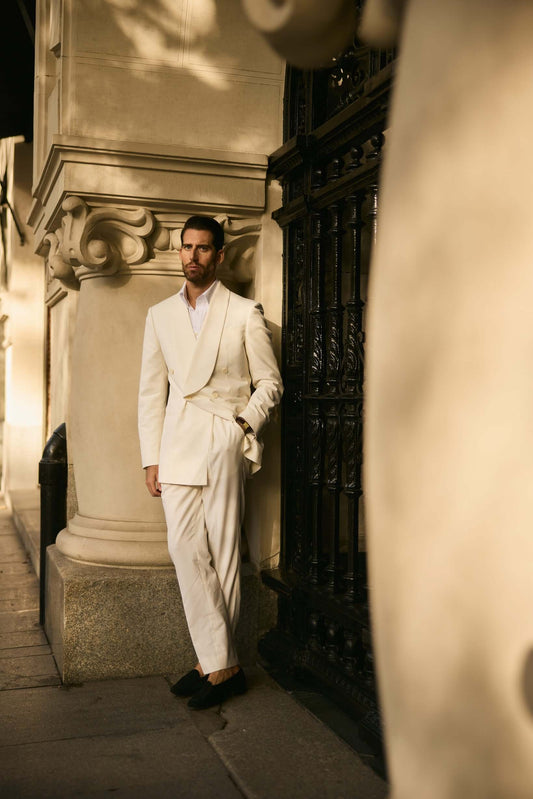
Traditional black tie attire is intentionally understated. Black remains the classic choice, while midnight blue is widely accepted as an elegant alternative for evening events. White dinner jackets may also be appropriate for warm-weather or tropical black tie occasions.
Bright colored tuxedos, bold floral patterns, sequined jackets, or novelty prints generally belong to creative black tie events rather than traditional black tie functions. Unless the invitation specifically encourages creative styling, conservative colors remain the safest and most sophisticated choice.
Mistake #9: Wearing the Wrong Vest, Waistcoat, or Cummerbund

A waistcoat or cummerbund can provide a polished transition between the shirt and tuxedo trousers, but the wrong style can disrupt the proportions of the outfit.
A formal waistcoat should:
- Be cut low enough to preserve the tuxedo's open front
- Fit closely without pulling across the buttons
- Cover the trouser waistband when the jacket is open
- Coordinate with the formality and fabric of the tuxedo
Avoid ordinary business-suit vests, casual contrasting fabrics, and waistcoats that extend below the front of the tuxedo jacket. If you choose a cummerbund instead, wear the pleats facing upward and never combine it with a waistcoat.
You can explore the custom dress vest collection or create a formal waistcoat through the waistcoat designer.
Mistake #10: Ignoring the Event Context

Not all black tie events are identical.
Some are extremely traditional, while others allow subtle creativity.
For example:
- Luxury galas typically require strict black tie
- Modern weddings may allow contemporary tuxedo styling
If you’re attending a wedding with a formal dress code, this guide on wedding suits for men explains how to approach formal wedding attire.
What to Wear Instead: Black Tie Essentials

If you're unsure whether your outfit is appropriate, focus on replacing casual items with traditional black tie essentials rather than adding more accessories.
| Avoid | Choose Instead |
|---|---|
| Business suit | Classic tuxedo |
| Long necktie | Black silk bow tie |
| Blue or patterned shirt | White tuxedo shirt |
| Sneakers, brown shoes or casual loafers | Patent leather or highly polished black Oxford shoes |
| Large statement watch | Minimal dress watch |
| Colorful pocket square | Plain white linen pocket square |
If you're building your first formal wardrobe, our guides on Types of Tuxedos for Men, How to Wear a Classic Black Tuxedo, and Best Tuxedo Shirts for Men explain how each piece contributes to a polished black tie outfit.
Why Proper Tailoring Matters at Black Tie Events
Black tie is one of the few dress codes where tailoring is immediately noticeable.
A well-tailored tuxedo creates:
- Cleaner proportions
- Sharper lines
- A more confident appearance
If you're comparing tailoring approaches, this article on bespoke vs tailored suits explains how different suit-making methods affect fit and craftsmanship.
For men exploring made-to-measure options, the custom suits page also provides insight into modern tailoring.
Tailor's Tip: Fit should come before fabric or brand name. A moderately priced tuxedo that sits cleanly across the shoulders, follows the waist, and falls at the correct trouser length will usually look more refined than an expensive tuxedo with poor proportions.
If you're comparing personalized tailoring with an off-the-rack garment, our guide to custom suits vs ready-made suits explains how fit, alterations, and long-term value differ.
Black Tie Outfit Checklist Before Leaving Home

Before heading to your event, take one final look to ensure every detail aligns with traditional black tie etiquette.
- ✓ Properly fitted tuxedo
- ✓ Black silk bow tie
- ✓ Crisp white tuxedo shirt
- ✓ Polished formal shoes
- ✓ White pocket square
- ✓ Simple cufflinks
- ✓ Pressed trousers with the correct length
- ✓ Well-groomed hair and facial hair
These finishing touches help create the polished appearance that defines true black tie style.
Final Thoughts
Knowing what not to wear to a black tie event is ultimately about respecting the distinction between ordinary formalwear and traditional eveningwear. A business suit, necktie, casual shoes, colored shirt, belt, or excessive accessories can quickly make an otherwise polished outfit appear underdressed or out of place.
Whether you're attending a black tie wedding, gala, charity dinner, awards ceremony, or formal evening reception, focus on a properly fitted tuxedo, white formal shirt, black bow tie, polished black shoes, and restrained accessories. These choices will help you meet the dress code without overcomplicating the outfit.
To create your own formal look, explore our custom tuxedos, browse the complete suit and tuxedo collection, or discover our custom tailoring services.
Frequently Asked Questions
Can you wear a regular suit to a black tie event?
Generally, no. If the invitation specifically states black tie, a tuxedo is the appropriate choice. A dark navy or charcoal suit may be acceptable only when the invitation says Black Tie Optional.
Can you wear brown shoes to a black tie event?
No. Traditional black tie attire calls for black formal footwear, such as patent leather Oxfords, highly polished black Oxfords, or formal evening pumps. Brown shoes create too much contrast and are usually better suited to business or less formal occasions.
Can you wear loafers with a tuxedo?
Casual leather loafers should generally be avoided. However, formal patent leather loafers, opera pumps, or understated velvet evening slippers may be appropriate when their design matches the formality of the tuxedo and event.
Can you wear a colored shirt with a tuxedo?
A white formal shirt remains the traditional and safest choice. Colored or patterned shirts are generally better reserved for Creative Black Tie events where the invitation explicitly allows greater personal expression.
Should you wear a belt with a tuxedo?
No. Traditional tuxedo trousers are designed without belt loops and are normally held in place by side adjusters or braces. This preserves the clean, uninterrupted line of formal eveningwear.
Is a smartwatch appropriate for black tie?
A discreet dress watch is generally more appropriate than a smartwatch. For a strict or highly traditional black tie event, leaving the watch off entirely can create the cleanest appearance. If a smartwatch is necessary, use a simple dark strap and disable distracting notifications.