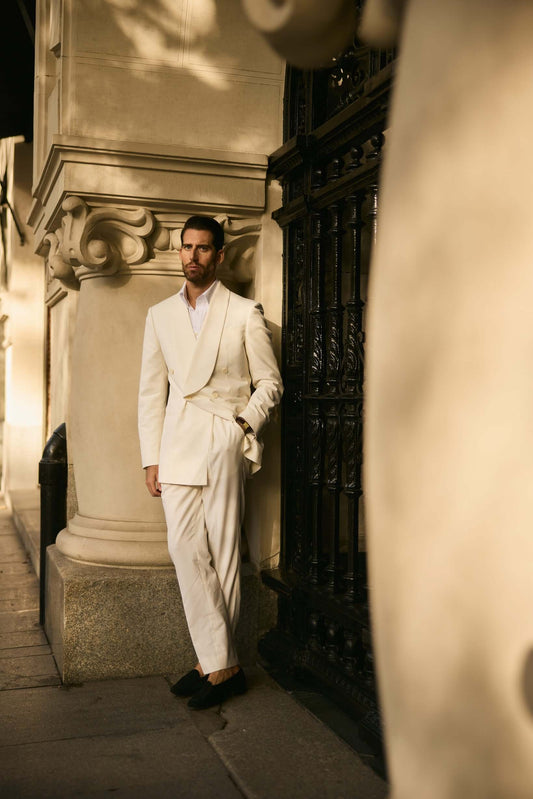

Formal vs Black Tie: What's the Difference & What Should Men Wear?
Last modified:Formal and black tie may sound interchangeable on an invitation, but for men they call for distinctly different outfits. Formal attire generally allows a dark, well-tailored suit with a dress shirt and tie, while black tie traditionally calls for a tuxedo, white formal shirt, black bow tie, and black formal shoes.
The distinction matters most at weddings, galas, formal dinners, award ceremonies, and evening celebrations where the dress code sets a clear expectation for guests.
This guide breaks down formal vs black tie side by side, including the jacket, trousers, shirt, neckwear, shoes, accessories, and occasions, so you can quickly determine what to wear.
Quick Answer: Formal vs Black Tie
Formal attire and black tie are not the same. For men, a modern formal dress code generally allows a dark tailored suit, white or understated dress shirt, necktie, and polished dress shoes. Black tie is more specific and traditionally requires a black or midnight blue tuxedo, white formal shirt, black bow tie, and black formal footwear.
If an invitation specifically says Black Tie, a regular business suit should not normally be treated as an equivalent substitute. If it says Black Tie Optional, a tuxedo is appropriate, but a sophisticated dark suit may also be acceptable.
Formal vs Black Tie at a Glance

| Feature | Formal Attire | Black Tie |
|---|---|---|
| Main Garment | Dark tailored suit | Tuxedo or dinner suit |
| Jacket | Matching suit jacket | Dinner jacket, traditionally with satin or grosgrain lapel facings |
| Trousers | Matching suit trousers | Matching tuxedo trousers, traditionally with formal side detailing |
| Shirt | White or understated dress shirt | White formal or tuxedo shirt |
| Neckwear | Necktie or appropriate bow tie | Black bow tie |
| Shoes | Polished leather dress shoes | Black formal shoes |
| Colors | Navy, charcoal, black, and other restrained formal colors | Black and midnight blue are traditional choices |
| Flexibility | More flexible | More traditional and specific |
| Typical Events | Formal weddings, dinners, ceremonies, upscale celebrations | Galas, black-tie weddings, balls, formal evening events |
Key Takeaways
- Formal usually means a suit; black tie traditionally means a tuxedo.
- A dark navy or charcoal suit is a dependable choice when an invitation simply says Formal.
- A black bow tie is a defining part of traditional black-tie attire.
- Black Tie Optional gives men more flexibility than strict black tie.
- A well-fitted outfit is important under either dress code, but fit does not turn a regular suit into black tie.
- When the host provides specific instructions, follow those instructions rather than relying only on general dress-code rules.
What Does Formal Attire Mean for Men?

In modern invitation language, formal attire for men generally means dressing significantly above everyday business or smart-casual clothing without necessarily requiring a tuxedo.
A reliable men's formal outfit includes:
- A dark navy, charcoal, or black suit
- A white or understated dress shirt
- A conservative necktie
- Polished leather dress shoes
- Coordinated and restrained accessories
The exact outfit can change according to the venue, season, time of day, and instructions on the invitation. A formal evening wedding, for example, may call for a darker and more refined suit than an afternoon ceremony.
If you want a deeper explanation of this level of dressing, see our formal dress code for men guide.
What Colors Work Best for Formal Attire?
Dark colors are the most dependable choice. Navy and charcoal are especially versatile because they work across weddings, formal dinners, professional ceremonies, and upscale social occasions.
Black can also work, particularly for evening events, although a black suit should not be confused with a traditional black-tie tuxedo.
For more guidance on versatile tailoring colors, see our best suit colors for men.
What Is Black Tie for Men?

Black tie is a specific evening dress code built around the tuxedo or dinner suit. It is more prescriptive than the modern formal dress code and gives the wearer less freedom to substitute ordinary business clothing.
Traditional black-tie attire generally includes:
- A black or midnight blue tuxedo jacket
- Matching formal trousers
- A white formal shirt
- A black bow tie
- Black formal shoes
- Restrained formal accessories
Tuxedo jackets are commonly distinguished from standard suit jackets by satin or grosgrain detailing on the lapels. Tuxedo trousers traditionally incorporate coordinating formal detailing as well.
For a dedicated breakdown of the dress code, read our black tie attire for men guide.
If you are choosing your own eveningwear, you can also view our custom tuxedo options.
Formal vs Black Tie: 7 Key Differences

Both dress codes require polished clothing, but the difference goes well beyond replacing a necktie with a bow tie.
1. Suit vs Tuxedo
This is the most important distinction. Formal attire generally permits a traditional suit, while strict black tie calls for a tuxedo or dinner suit.
A suit jacket normally uses the same or similar outer fabric across its lapels. A tuxedo typically introduces formal contrast through satin or grosgrain lapel facings and corresponding trouser details.
If you are deciding between the two garments, our suit vs tuxedo guide explains the broader differences.
2. Necktie vs Bow Tie
A formal suit is commonly worn with a necktie, although the precise styling can depend on the event.
Traditional black tie is different: the black bow tie is an essential part of the overall eveningwear combination and one of the elements that gives the dress code its name.
3. Standard Dress Shirt vs Formal Shirt
A formal suit pairs naturally with a crisp white or understated dress shirt.
Black tie traditionally uses a white formal shirt. Depending on the shirt design, details may include a pleated or piqué front, dress studs, French cuffs, or other formal finishing.
For more detail on choosing the right shirt, see our tuxedo shirts guide.
4. Dress Shoes vs Black Formal Shoes
Formal suits allow somewhat greater footwear flexibility. Black Oxfords are a dependable option, while dark brown leather shoes can also work with certain navy or charcoal formal suits.
Black tie is more restrictive. Black formal footwear is the traditional choice, with highly polished leather or patent leather commonly associated with evening dress.
5. Greater vs Lower Color Flexibility
Formal attire gives men more freedom to work with dark navy, charcoal, black, and—in the right setting—other sophisticated suit colors.
Traditional black tie keeps the palette more controlled. Black and midnight blue dominate, supported by a white shirt and black bow tie.
6. Flexible Accessories vs Traditional Accessories
A formal suit may be personalized through a restrained tie, pocket square, cufflinks, watch, or other understated accessories.
Black tie favors greater restraint. The objective is usually harmony within a traditional eveningwear framework rather than introducing multiple statement accessories.
7. Formal Occasion vs Specific Evening Dress Code
“Formal” can apply to a broad range of weddings, dinners, ceremonies, and upscale events.
“Black Tie” is more specific and is traditionally associated with evening occasions such as galas, formal weddings, balls, charity events, and major celebrations.
What Does Black Tie Optional Mean?
Black Tie Optional sits between a typical modern formal dress code and strict black tie.
A tuxedo remains fully appropriate and is often the more elevated choice, but men may generally wear a sophisticated dark suit with a white dress shirt, conservative tie, and polished dress shoes instead.
The word optional refers primarily to whether the tuxedo is mandatory. It does not mean the overall event has become casual.
If you already own a tuxedo and are comfortable wearing it, Black Tie Optional is a perfectly appropriate occasion to do so. If you do not own one, a well-fitted dark suit offers a practical alternative.
Can You Wear a Suit to a Black Tie Event?
If the invitation specifically says Black Tie, a regular suit is generally not the traditional choice. Men are expected to wear a tuxedo or dinner suit unless the host communicates otherwise.
A navy or charcoal business suit may be elegant, but elegance alone does not make it black tie.
The important exception is Black Tie Optional. In that case, a sophisticated dark suit is normally an acceptable alternative to a tuxedo.
A simple rule is:
- Formal: wear a dark suit.
- Black Tie Optional: wear a tuxedo or a refined dark suit.
- Black Tie: wear a tuxedo.
Formal vs Black Tie Wedding: What Should Men Wear?
Wedding invitations are one of the most common places men encounter these two dress codes.
What to Wear to a Formal Wedding
For a formal wedding, a dark suit is generally the safest option. Navy and charcoal work especially well, while season, venue, and time of day can influence fabric and styling.
Pair the suit with a crisp dress shirt, refined tie, and polished dress shoes. For an evening ballroom or luxury venue, choose darker colors and more restrained accessories.
What to Wear to a Black-Tie Wedding
A black-tie wedding traditionally calls for a black or midnight blue tuxedo, white formal shirt, black bow tie, and polished black formal shoes.
Unless the couple has specifically encouraged an alternative interpretation, avoid replacing the tuxedo with a standard suit simply because the suit is dark.
If you're choosing an outfit for an upcoming ceremony, explore our wedding suits for men or read our wedding suit guide for additional styling options.
What Should You Wear If the Invitation Just Says “Formal”?
When an invitation simply states Formal without mentioning black tie, a dark tailored suit is usually the safest starting point for men.
A dependable combination is:
- Navy or charcoal suit
- White dress shirt
- Conservative silk tie
- Black or dark brown leather dress shoes
- Coordinated belt where appropriate
- Simple pocket square or restrained accessories
Consider the venue and time of day as additional clues. A formal evening celebration in a luxury hotel usually calls for darker and more refined styling than an outdoor daytime ceremony.
Most importantly, read the complete invitation. If the host specifies a color palette, cultural dress, tuxedo, or another requirement, those instructions take priority.
Is Black Tie More Formal Than Formal Attire?
In the way these terms are commonly used on modern invitations, black tie is generally more specific and more formal than a standard formal dress code.
However, black tie is not the highest level of traditional Western evening dress. White tie sits above black tie and follows an even more specific set of conventions.
You can see the distinction in our black tie vs white tie guide.
Can You Wear a Black Suit Instead of a Tuxedo?
A black suit and a tuxedo may share a similar color, but they are not the same garment.
A standard black suit typically has conventional suit lapels and matching suit trousers. A tuxedo introduces formal eveningwear details such as satin or grosgrain lapel facings and traditionally coordinated trouser trim.
For a formal event, a black suit may be completely appropriate. For an invitation that specifically states Black Tie, choose a tuxedo instead unless the host indicates otherwise.
Do You Have to Wear Black to a Black-Tie Event?
Despite the name, black tie does not necessarily mean every part of the outfit must literally be black.
Black is the traditional tuxedo color, but midnight blue also has a long association with classic eveningwear. The traditional black bow tie remains a defining feature of the dress code.
More fashion-forward dinner jackets can appear in certain settings, but if you are uncertain about the host's expectations, classic black or midnight blue is the safer choice.
Common Formal vs Black Tie Mistakes

1. Wearing a Business Suit to Strict Black Tie
A high-quality navy business suit can look excellent, but it is still a suit. When an invitation explicitly requires black tie, a tuxedo is the more appropriate choice.
2. Wearing a Regular Necktie with a Traditional Tuxedo
Traditional black tie is built around the black bow tie. Replacing it with a standard business necktie changes the character of the outfit and moves away from conventional black-tie dressing.
3. Assuming Formal Automatically Means Tuxedo
A tuxedo may be appropriate at some highly elevated formal occasions, but modern invitations that simply say “Formal” generally give men more flexibility than invitations specifying “Black Tie.”
4. Treating Black Tie Optional as Casual
Black Tie Optional does not lower the event to an everyday suit-and-shirt occasion. The alternative to a tuxedo should still be a sophisticated dark suit worn with polished formal accessories.
5. Choosing Brown Shoes for Traditional Black Tie
Dark brown shoes can coordinate well with many formal suits. Traditional black tie, however, calls for black formal footwear.
6. Over-Accessorizing
Loud ties, oversized pocket squares, novelty cufflinks, flashy belts, or excessive jewelry can undermine an otherwise refined formal outfit. Restraint works particularly well with black tie.
7. Ignoring the Host's Instructions
General etiquette is useful, but the invitation comes first. Hosts may specify a cultural dress requirement, color theme, creative black tie interpretation, or other expectation that changes the usual rules.
For additional guidance on what to avoid, read what not to wear to a black-tie event.
Why Fit Matters for Both Formal and Black Tie
The dress code determines what type of clothing you should wear, while fit determines how polished that clothing looks on your body.
A suit or tuxedo should sit cleanly across the shoulders, close without severe pulling through the torso, allow comfortable movement, and create a balanced trouser line without excessive fabric collecting at the shoes.
A tailored fit can make a straightforward formal outfit look considerably more refined, but tailoring should not be confused with dress-code classification: a perfectly fitted business suit is still not a tuxedo.
If you prefer an individually configured garment, explore our custom suits and custom tuxedos.
Formal vs Black Tie: Which Should You Choose?
You normally do not need to guess. Let the invitation determine the level of dress.
- If it says Formal: choose a well-tailored dark suit, dress shirt, tie, and polished dress shoes.
- If it says Black Tie Optional: choose a tuxedo or a sophisticated dark suit.
- If it says Black Tie: choose a tuxedo, white formal shirt, black bow tie, and black formal shoes.
If no dress code is stated, consider the venue, time of day, occasion, and any guidance provided by the host before choosing your outfit.
Final Thoughts
The essential difference between formal vs black tie is straightforward: formal attire generally gives men the option of wearing a dark tailored suit, while black tie follows a more specific tuxedo-based eveningwear tradition.
The distinction affects more than the jacket. Shirt style, neckwear, trousers, footwear, accessories, and the overall level of formality all change when an event moves from formal to black tie.
When in doubt, follow the invitation literally and choose the more restrained option rather than trying to make a casual garment appear more formal through accessories.
Ready to create your outfit? Browse our custom suits for formal occasions or design a custom tuxedo for black-tie events.