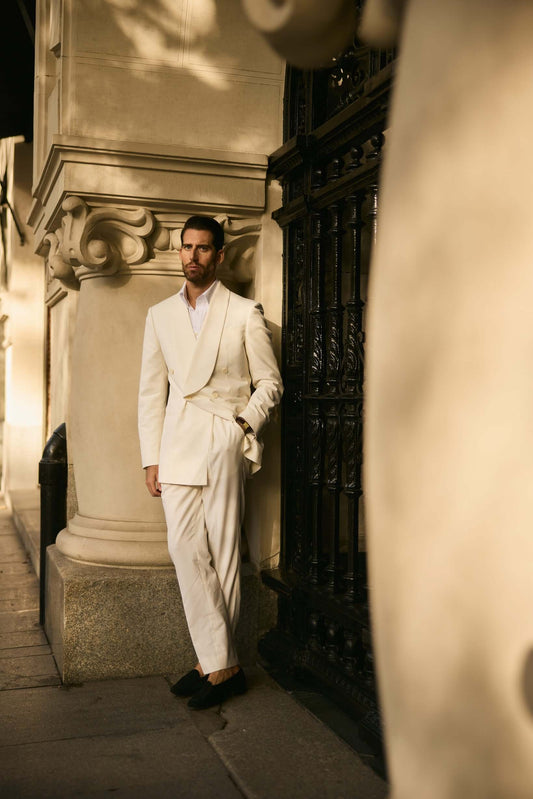

Formal Dress Code for Men: A Complete Style Guide
Last modified:Whether you're attending a wedding, black tie gala, charity fundraiser, business awards dinner, or an important corporate event, understanding men's formal dress codes helps you avoid one of the most common style mistakes—being either underdressed or overdressed. While invitations often use terms like "Formal," "Black Tie," or "Cocktail Attire," each dress code has distinct expectations for suits, tuxedos, shirts, shoes, and accessories.
This guide explains every major formal dress code for men, when each one applies, and exactly what to wear so you can dress confidently for any occasion.
Quick Answer
A formal dress code for men usually means wearing a tailored dark suit, dress shirt, tie, leather dress shoes, and minimal accessories. However, the exact outfit depends on the invitation. White Tie is the most formal dress code, followed by Black Tie, Black Tie Optional, Formal (Cocktail), Business Formal, and Business Professional. Understanding the difference ensures you arrive appropriately dressed for weddings, galas, business events, and formal dinners.
Formal Dress Codes at a Glance

| Dress Code | Jacket | Tie | Shoes | Typical Event |
|---|---|---|---|---|
| White Tie | Tailcoat | White Bow Tie | Patent Pumps | State Banquets, Royal Events |
| Black Tie | Tuxedo | Black Bow Tie | Patent Oxfords | Galas, Evening Weddings |
| Black Tie Optional | Tuxedo or Dark Suit | Bow Tie or Necktie | Patent or Leather Oxfords | Formal Weddings |
| Formal / Cocktail | Dark Suit | Silk Tie | Oxford or Derby | Cocktail Parties |
| Business Formal | Business Suit | Conservative Tie | Leather Oxfords | Board Meetings |
The Hierarchy of Men's Formal Dress Codes

Dress codes exist on a spectrum from ultra-formal to business casual. Here's the hierarchy from most to least formal:
- White Tie (Ultra Formal) — tailcoat, white waistcoat, white bow tie
- Black Tie (Formal) — tuxedo, black bow tie, formal shirt
- Black Tie Optional — tuxedo or dark suit acceptable
- Formal / Cocktail Attire — dark suit, dressy alternatives
- Business Formal — traditional business suit and tie
- Business Professional — formal work attire
- Smart Casual / Business Casual — below the formal threshold
For a detailed breakdown of each level, read our comprehensive guide on formal vs black tie differences .
What Does 'Formal' Mean on an Invitation?
When an invitation says "Formal" without additional qualification, it typically means cocktail or semi-formal attire — a dark suit with dress shirt and tie. This sits below black tie but above business casual.
If the invitation says "Black Tie," that specifically means a tuxedo is required. "White Tie" is the most formal code and requires a tailcoat.
How to Decode a Dress Code Invitation

Dress code wording often provides more information than many guests realize. Small phrases such as "Black Tie Optional," "Cocktail Attire," or "Garden Formal" indicate different expectations.
| Invitation Says | Recommended Outfit |
|---|---|
| White Tie | Tailcoat with white waistcoat |
| Black Tie | Tuxedo |
| Black Tie Optional | Tuxedo or dark suit |
| Formal | Dark suit and tie |
| Cocktail | Tailored suit |
| Business Formal | Business suit |
What to Wear for Each Formal Dress Code

White Tie
This is the most formal dress code in existence, reserved for state dinners, royal events, and the most exclusive galas. Requirements:
- Black tailcoat with matching trousers
- White waistcoat (piqué fabric)
- White piqué bow tie
- White piqué shirt with wing collar
- Black patent leather pumps or oxfords
Black Tie
The standard for formal evening events — award ceremonies, charity galas, formal weddings. Requirements:
- Black or midnight navy tuxedo (shawl or peak lapel)
- White dress shirt with bib front and French cuffs
- Black self-tie bow tie
- Black patent leather oxford shoes
- Cummerbund or black waistcoat
View our black tie attire guide for complete styling details and outfit examples.
Cocktail / Formal Attire
The most commonly misunderstood dress code. This calls for a dark suit — charcoal, navy, or dark gray — with a dress shirt and tie. It's not a tuxedo event, but it's also not a casual one.
- Charcoal or navy two-piece suit
- White or light blue dress shirt
- Silk tie in a complementary color
- Oxford or derby shoes in black or dark brown
For more on cocktail attire specifics, read our cocktail attire guide .
Business Formal / Business Professional
For office environments, interviews, and professional meetings that require a traditional polished look.
- Conservative suit in charcoal, navy, or gray
- White or light blue dress shirt
- Conservative silk tie
- Dark leather oxfords
- Minimal accessories
Read our full guide on business professional attire for men for a comprehensive breakdown.
Suit Colors for Formal Occasions
Color choice matters enormously in formal settings. The general rule: the more formal the event, the darker and more conservative the color.
Our guide on best suit colors for men ranks every major suit color by versatility and formality — essential reading before your next formal event.
The Importance of Fit in Formal Dressing
In formal settings, fit becomes even more critical than in casual contexts. A poorly fitted formal suit signals inattention to detail and can undermine even the most expensive fabric. Shoulders must sit perfectly, the jacket should button without strain, and trousers must break cleanly over the shoe.
Use our suit fit checklist to verify every measurement point before any formal event.
Custom Formal Suits: The Right Investment
For formal occasions that matter — weddings, galas, important professional events — a custom suit is not a luxury, it's an investment. Explore our custom suits collection to design a formal suit built precisely for you.
Choosing the Right Formal Outfit by Occasion

| Occasion | Recommended Dress Code |
|---|---|
| Evening Wedding | Black Tie or Formal Suit |
| Business Awards Dinner | Dark Suit or Tuxedo (if specified) |
| Charity Gala | Black Tie |
| Cocktail Reception | Dark Suit |
| Job Interview | Business Professional |
| Funeral | Black or Charcoal Suit |
Common Formal Dress Code Mistakes

- Assuming "Formal" always means a tuxedo.
- Wearing brown shoes with Black Tie attire.
- Choosing a business suit for White Tie events.
- Ignoring fit in favor of expensive fabrics.
- Wearing novelty ties or loud pocket squares at conservative events.
- Skipping proper shoe polishing.
- Leaving jacket sleeves or trouser hems unaltered.
Final Thoughts
Understanding men's formal dress codes is about more than following fashion rules—it's about showing respect for the occasion and presenting yourself with confidence. Whether the invitation calls for White Tie, Black Tie, Cocktail Attire, or Business Formal, choosing the correct suit, achieving an excellent fit, and paying attention to details such as shoes and accessories will always leave a stronger impression than simply wearing expensive clothing.
If you're investing in formalwear you'll wear for years, consider a custom-tailored suit that reflects both the occasion and your personal style. The right formal suit becomes one of the most versatile pieces in a gentleman's wardrobe.
Frequently Asked Questions
Is a navy suit considered formal?
Yes. A well-tailored navy suit is appropriate for most formal dress codes except White Tie and traditional Black Tie events.
Can I wear brown shoes with formal attire?
Brown shoes work well with navy and charcoal suits for business formal and cocktail attire. Black shoes remain the preferred choice for the most formal occasions.
Is a tuxedo more formal than a suit?
Yes. A tuxedo is specifically designed for Black Tie events and is more formal than a standard business suit because of its satin detailing and evening styling.
Can I wear a three-piece suit to a formal event?
Absolutely. A well-fitted three-piece suit is an elegant choice for weddings, business events, and many formal occasions where Black Tie is not required.
What is the difference between formal attire and business formal?
Formal attire is intended for social occasions such as weddings and evening events, while business formal focuses on professional settings with conservative suits, shirts, and ties.