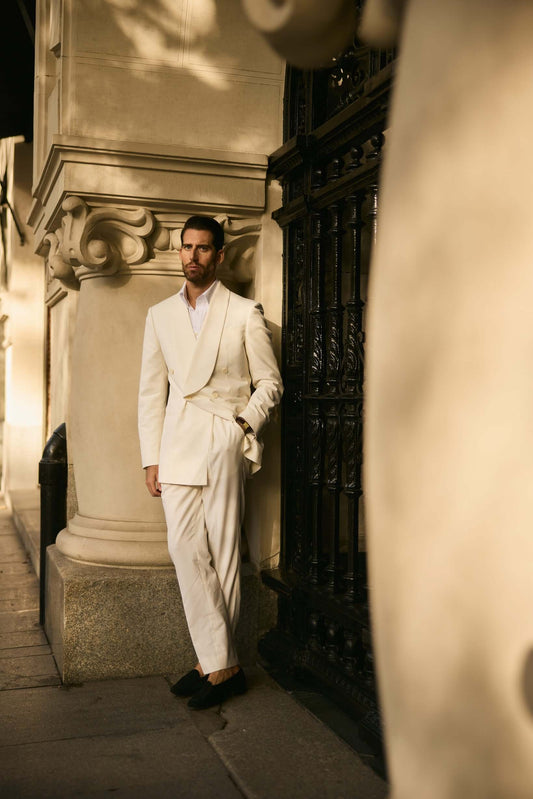

Black Tie vs White Tie: What's the Difference?
Last modified:Receiving a formal invitation with 'black tie' or 'white tie' printed on it should be exciting — a signal that you are about to attend something truly special. But for men who are unfamiliar with the precise requirements of these dress codes, it can feel intimidating.
Black tie and white tie are the two most formal dress codes in men's fashion, but they are not interchangeable. Each has specific requirements for jacket, trousers, shirt, tie, and accessories — and showing up in the wrong attire at either type of event is a significant faux pas.
This guide explains exactly what black tie and white tie require, the key differences between them, and how to dress correctly for each.
The Short Answer: Black Tie vs White Tie
Quick Answer: Black tie requires a tuxedo, white dress shirt, and black bow tie. White tie requires a black evening tailcoat, high-waisted formal trousers, a white piqué waistcoat, and a white bow tie. White tie is more formal than black tie and is reserved for the most ceremonial evening occasions.
Black Tie vs White Tie: Side-by-Side Comparison

| Feature | Black Tie | White Tie |
|---|---|---|
| Jacket | Tuxedo jacket | Tailcoat |
| Bow Tie | Black silk bow tie | White piqué bow tie |
| Waistwear | Optional cummerbund or waistcoat | White waistcoat required |
| Trousers | Single satin stripe | Double satin stripes |
| Shirt | White tuxedo shirt | Stiff-front white piqué shirt |
| Shoes | Patent leather Oxfords or opera pumps | Patent leather Oxfords or opera pumps |
| Level of Formality | Formal evening wear | The highest formal dress code |
| Typical Events | Galas, formal weddings, charity dinners, awards ceremonies | State banquets, royal ceremonies, diplomatic receptions, Nobel Prize events |
Quick Summary:
- Black tie requires a tuxedo with a black bow tie.
- White tie requires a black tailcoat with a white bow tie and white waistcoat.
- White tie is more formal than black tie.
- Black tie is common for formal weddings, galas, and charity dinners.
- White tie is reserved for the world's most ceremonial occasions.
Black Tie: The Complete Dress Code

The Jacket
A tuxedo jacket — either single-breasted or double-breasted — in black or midnight navy. The lapels should be faced in silk or satin (either peak or shawl lapels). No ordinary suit jacket is appropriate. If you're comparing formal eveningwear options, our guide to tuxedo vs. suit explains the key differences in construction, styling, and appropriate occasions.
The Trousers
Matching tuxedo trousers with a single silk or satin stripe running down the outer seam. No turn-ups (cuffs). The stripe should match the lapel facing.
The Shirt
A white tuxedo shirt with a bib front (pleated or piqué), French cuffs, and either a wing or turndown collar. It should always be worn with studs rather than standard buttons. For more details on fabrics, collars, and bib styles, see our guide to choosing the best tuxedo shirt.
The Tie
A black bow tie — always self-tied rather than pre-tied. A ready-tied bow tie undermines the elegance of black tie. The bow tie should be in matching silk or grosgrain.
The Shoes
Black patent leather Oxford shoes or black patent leather pumps (opera pumps). Black dress shoes in calf leather are acceptable in less strict interpretations.
Accessories
White pocket square (flat fold is traditional). Black or silver cufflinks. Optional: silk cummerbund or matching waistcoat. Accessories should remain understated so the focus stays on the elegance of the tuxedo rather than decorative details.
For full black tie guidance, see our black tie attire guide for men .
White Tie: The Complete Dress Code

The Jacket
A white tie jacket is a black evening tailcoat, cut short and horizontally across the front waist with two long tails at the back. It traditionally features silk-faced peak lapels and is never buttoned closed. The tailcoat is worn with coordinated high-waisted black formal trousers featuring double silk braid along the outer seams.
The Waistcoat
A low-cut white piqué waistcoat is required for white tie. It should have three or four buttons, sit neatly beneath the tailcoat, and fully cover the trouser waistband without extending visibly below the front of the coat. A black waistcoat is not appropriate for white tie.
The Trousers
High-waisted black trousers with two stripes of silk braid running down the outer seams (versus one stripe for black tie). No braces (suspenders) visible — covered by the waistcoat.
The Shirt
A white evening dress shirt with a stiff or piqué front, detachable-style wing collar, visible shirt studs, and formal cuffs fastened with cufflinks. Traditional white tie shirts commonly use single cuffs, although some modern interpretations accept double cuffs.
The Tie
A white bow tie — piqué, self-tied. This is the eponymous element of white tie. Never a black tie at a white tie event.
The Shoes
Black patent leather Oxford shoes or opera pumps. White gloves may be carried, though this is largely an anachronism in most modern contexts.
Accessories
A white linen pocket square, formal shirt studs, and understated cufflinks complete the core white tie outfit. Orders, decorations, and miniature medals may be worn when the occasion permits. Traditional accessories such as white gloves, a black top hat, a white evening scarf, or an opera cloak are now uncommon and should only be worn when appropriate to the event.
How to Tell Whether an Event Is Black Tie or White Tie

The easiest way to determine the correct dress code is by reading the invitation carefully. Formal invitations usually state the expected attire, and each phrase has a specific meaning.
| Invitation Says | Recommended Attire |
|---|---|
| White Tie | Black tailcoat, white waistcoat, white bow tie, and formal trousers |
| Black Tie | Tuxedo with a white dress shirt and black bow tie |
| Black Tie Optional | Tuxedo preferred; dark formal suit acceptable |
| Formal Attire | Usually a dark suit, unless the host specifies black tie |
| Cocktail Attire | Dark or seasonal suit with a dress shirt and polished dress shoes |
When in doubt, contact the host or event organizer rather than interpreting the wording too loosely. You can also review our guide to formal dress codes for men and our explanation of cocktail attire for men.
Why White Tie Is More Formal Than Black Tie
White tie is more formal because it follows a narrower and more ceremonial set of rules. The tailcoat, low-cut white waistcoat, stiff-front shirt, white piqué bow tie, and double-braided trousers leave very little room for interpretation. Black tie remains highly formal, but it allows somewhat greater flexibility in jacket style, shirt collar, waist covering, and footwear.
Historically, the tuxedo developed as a less formal alternative to the evening tailcoat. Today, black tie is the more common choice for galas, formal weddings, and awards events, while white tie remains associated with state occasions, formal balls, and other highly ceremonial gatherings.
Which Events Typically Use Black Tie or White Tie?
The invitation always determines the required dress code, but the following examples show where black tie and white tie are most commonly encountered.
| Event | Common Dress Code |
|---|---|
| Formal evening wedding | Black tie, when specified |
| Charity gala | Usually black tie |
| Awards ceremony | Often black tie |
| Formal opera or arts gala | Black tie or white tie, depending on the invitation |
| State banquet | Often white tie |
| Royal or diplomatic ceremony | White tie, when specified |
| Nobel Prize banquet | Traditionally white tie |
| Formal ball | Black tie or white tie, depending on tradition |
Black Tie Optional: What Does It Mean?
'Black tie optional' or 'black tie invited' means a tuxedo is encouraged but a dark suit is acceptable. In this context, a well-fitted charcoal or midnight navy suit with a white shirt and a formal tie is appropriate.
If you're unsure whether to choose a tuxedo or a suit, read our complete guide to choosing between a suit and a tuxedo. It explains which option is appropriate for weddings, galas, black tie optional events, and other formal occasions.
Can You Wear a Suit to a Black Tie Event?
In most cases, no. A well-tailored dark business suit is not considered a substitute for a tuxedo at a true black tie event. The satin lapels, matching formal trousers, and black bow tie are essential elements that distinguish black tie from standard business attire.
The only common exception is when the invitation specifically states Black Tie Optional. In that case, a dark navy or charcoal suit paired with a crisp white dress shirt and conservative necktie is generally acceptable, although a tuxedo remains the preferred choice. Our formal dress code guide explains where black tie fits among other levels of men's formalwear.
Common Black Tie Mistakes

- Wearing a regular suit: Even a very dark, very expensive suit is not a tuxedo and is not appropriate at a strict black tie event.
- Pre-tied bow ties: A clip-on or pre-tied bow tie is immediately recognizable and considered an error of judgment.
- White or colored shirts: The tuxedo shirt must be white.
- Wrong shoes: Brown shoes, white shoes, or trainers are not appropriate with a tuxedo.
- Novelty accessories: A black tie event is not the occasion for novelty ties, cufflinks, or pocket squares.
For more guidance, see our complete guide on what not to wear to a black tie event .
Can You Wear a Tuxedo to a White Tie Event?
No. Although a tuxedo is formal evening wear, it does not satisfy the requirements of white tie. White tie specifically requires a black tailcoat, white waistcoat, white bow tie, and high-waisted formal trousers. Arriving in a tuxedo at a white tie event is considered underdressed.
Should You Rent or Buy a Tuxedo?
Renting can be practical when you attend formal events infrequently. Buying becomes more worthwhile when you expect to wear black tie more than once, want greater control over fit and styling, or need the tuxedo for an important occasion such as your wedding.
Explore our custom tuxedos for a tailored formal look, or browse the complete tuxedo and formal suit collection for weddings, galas, and other evening events.
Expert Tips for Dressing Correctly at Formal Events
- Always read the invitation carefully before choosing your outfit.
- If the invitation says "White Tie," never substitute a tuxedo.
- Choose a self-tied bow tie rather than a pre-tied version.
- Ensure your trousers and jacket belong to the same tuxedo.
- Keep accessories understated and elegant.
- When attending multiple formal events each year, owning a custom tuxedo is often more economical than repeated rentals.
Frequently Asked Questions
Is white tie more formal than black tie?
Yes. White tie is universally recognized as the highest level of formal dress for men.
Can I wear a regular suit to a black tie wedding?
Only if the invitation specifies Black Tie Optional. Otherwise, a tuxedo is expected.
Can I wear a black bow tie with white tie?
No. White tie requires a white piqué bow tie.
Is midnight blue acceptable for black tie?
Yes. Midnight navy tuxedos are considered a classic alternative to black.
Are loafers appropriate for black tie?
Traditional leather loafers are generally too casual for strict black tie. Black patent leather Oxfords or opera pumps are the safest choices, although very refined black evening loafers may be accepted at less traditional events.
What is the difference between a tuxedo and a tailcoat?
A tuxedo has a standard-length jacket, while a white tie tailcoat is cut short in the front with long tails extending at the back.
Can I rent a tuxedo instead of buying one?
Yes. Renting is practical for occasional events, while purchasing becomes more economical for frequent formal occasions.
What shirt should I wear with a tuxedo?
Wear a crisp white formal shirt designed for eveningwear. A pleated or piqué bib front, French cuffs, and a turndown collar are classic black tie choices; a wing collar is more traditional and should be styled carefully. Compare the main collar, cuff, and front styles in our complete tuxedo shirts guide.
Final Thoughts
The simplest way to remember the difference is that black tie means a tuxedo with a black bow tie, while white tie means a tailcoat with a white waistcoat and white bow tie. White tie is the more formal and less commonly encountered dress code.
Always follow the wording on the invitation and ask the host when the expected attire is unclear. Wearing the correct eveningwear shows respect for the occasion and allows you to arrive with confidence.
For your next formal event, explore Bold Italia's tuxedo and formal suit collection or design a properly fitted custom tuxedo.