
Types of Tuxedos for Men: 10 Styles Explained
Last modified:Types of tuxedos for men vary by jacket construction, lapel shape, fabric, color, and formal styling details. From classic single-breasted and double-breasted tuxedos to shawl lapel, peak lapel, velvet, and white dinner jacket styles, each option creates a different appearance.
Some differences affect how a tuxedo is constructed, while others change its color or texture. A midnight blue tuxedo, for example, can also feature peak lapels and a double-breasted jacket.
This guide compares the different tuxedo styles, their defining features, and the occasions where each works best, helping you choose the right look for weddings, galas, formal receptions, and black-tie events.
Quick Answer: The main types of tuxedos include single-breasted, double-breasted, peak lapel, shawl lapel, notch lapel, and three-piece designs. Other popular variations include velvet tuxedos, white dinner jackets, midnight blue tuxedos, and colored tuxedos. These categories can overlap because some describe jacket construction, others describe lapels, and others refer to fabric or color. For traditional black tie, a black or midnight blue tuxedo with peak or shawl lapels is a dependable choice.
Types of Tuxedos at a Glance

There are several ways to classify tuxedo styles. Single-breasted and double-breasted describe the jacket's button arrangement, while peak, shawl, and notch refer to lapel designs. Three-piece tuxedos add a waistcoat, and styles such as velvet, midnight blue, or white dinner jackets describe fabric and color choices.
These features can be combined, so the different types of tuxedos are not always mutually exclusive. The comparison below highlights what makes each variation distinctive.
| Tuxedo Type | Defining Feature | Best For |
|---|---|---|
| Single-Breasted | One column of jacket buttons | Classic weddings and black-tie events |
| Double-Breasted | Overlapping jacket front | Traditional and statement eveningwear |
| Peak Lapel | Upward-pointing lapels | Classic black tie and formal weddings |
| Shawl Lapel | Smooth, rounded lapel | Traditional evening elegance |
| Notch Lapel | Notched lapel resembling a suit jacket | Contemporary formal styling |
| Three-Piece | Formal waistcoat added | Formal weddings and traditional events |
| Velvet | Textured velvet dinner jacket | Winter celebrations and festive evenings |
| White Dinner Jacket | White or ivory jacket with black trousers | Warm-weather and resort evening events |
| Midnight Blue | Deep blue formalwear | Traditional black tie and galas |
| Colored Tuxedo | Alternative jacket colors | Creative black tie and modern weddings |
What Makes a Tuxedo Different from a Suit?

Before comparing the different types of tuxedos, it is important to understand what separates a tuxedo from a standard suit.
A traditional tuxedo is distinguished by formal details such as:
- Satin or grosgrain lapel facings
- Satin-covered jacket buttons
- A satin stripe along the outer seam of the trousers
- Trousers without belt loops
- Jetted or minimally styled pockets
A tuxedo is also traditionally worn with a formal tuxedo shirt, black bow tie, dress shoes, and either a cummerbund or low-cut waistcoat. Together, these elements create the polished evening appearance associated with black tie attire.
If you are unfamiliar with the distinction between these garments, our guide to tuxedos vs. suits explains how their construction, styling, and appropriate occasions differ.
The Anatomy of a Tuxedo

Understanding tuxedo anatomy makes it easier to compare different styles and recognize the details that distinguish traditional eveningwear. A complete tuxedo outfit includes more than a formal jacket and trousers.
- Dinner Jacket: The main jacket, usually featuring a peak or shawl lapel and formal detailing such as covered buttons.
- Lapel Facing: Satin or grosgrain fabric that distinguishes traditional tuxedo lapels from ordinary suit lapels.
- Formal Trousers: Matching trousers traditionally featuring a side stripe and a clean waistband without belt loops.
- Tuxedo Shirt: A white formal shirt, often featuring a pleated or piqué front, or a refined plain front.
- Bow Tie: A black bow tie is the traditional neckwear for black-tie occasions.
- Waist Covering: A cummerbund or formal low-cut waistcoat is commonly used with traditional single-breasted tuxedos.
- Formal Footwear: Black patent leather Oxfords or suitably polished formal shoes complete the outfit.
Understanding these components helps you recognize the difference between tuxedo jacket styles and the complete formal ensemble. For a detailed look at shirt options, read our guide to tuxedo shirts for men.
The Single-Breasted Tuxedo

The single-breasted tuxedo is the most versatile and widely worn tuxedo style. Featuring one row of buttons and clean, balanced proportions, it offers a timeless look that works for nearly every formal occasion. Its understated elegance makes it an excellent choice for first-time tuxedo buyers as well as experienced dressers looking for maximum versatility.
One of the greatest strengths of a single-breasted tuxedo is its adaptability. It pairs equally well with peak lapel, shawl lapel, or notch lapel designs, allowing you to customize the level of formality without changing the overall silhouette. The streamlined front creates a clean appearance that flatters most body types, especially men with average or athletic builds.
Because of its classic styling, this tuxedo remains appropriate for weddings, galas, charity dinners, formal receptions, and virtually every traditional black tie event.
Best occasions for a single-breasted tuxedo
- Weddings
- Black tie events
- Award ceremonies
- Gala dinners
- Formal receptions
You can create your own version using the tuxedo designer or explore our custom tuxedo collection for a personalized fit.
The Double-Breasted Tuxedo

The double-breasted tuxedo offers a more dramatic and structured appearance than its single-breasted counterpart. Featuring overlapping front panels and two parallel rows of buttons, it naturally creates a broader chest, stronger shoulders, and a more commanding silhouette.
This tuxedo style is particularly popular among men who appreciate classic European tailoring. Because the overlapping front provides fuller coverage, it is generally worn without a visible cummerbund or waistcoat while still maintaining a polished appearance throughout the evening.
Double-breasted tuxedos tend to look best on taller men or those with broader shoulders, although proper tailoring allows nearly any body type to wear them successfully. They are slightly less versatile than single-breasted designs but make an unforgettable impression at highly formal events.
Design Your Signature Tuxedo
Explore jacket styles, lapels, fabrics, and finishing details to create a custom tuxedo for your next formal occasion.
Design Your Custom TuxedoBest occasions for a double-breasted tuxedo
- Luxury weddings
- Red carpet events
- Formal galas
- Charity dinners
- Executive evening functions
The Shawl Lapel Tuxedo

The shawl lapel tuxedo is recognized by its smooth, rounded collar that continues around the neckline without a notch or pointed edge. Inspired by traditional smoking jackets, it creates a softer and more elegant silhouette than the sharply structured peak lapel.
This style is closely associated with classic black tie attire and works especially well for evening events where understated sophistication is preferred. The uninterrupted curve of the lapel draws attention toward the face and chest while giving the jacket a refined, streamlined appearance.
Shawl lapels flatter most body types, although men with very round facial features may prefer the sharper angles of a peak lapel for greater visual contrast. Because the shawl collar has a more relaxed character, it may feel less commanding than a peak lapel at extremely ceremonial events.
Best occasions for a shawl lapel tuxedo
- Traditional black tie dinners
- Elegant evening weddings
- Formal receptions
- Charity galas
- Luxury celebrations
Pair a shawl lapel tuxedo with a pleated or Marcella-front tuxedo shirt, a black silk bow tie, and minimalist accessories. Its clean shape also makes it an excellent choice for velvet dinner jackets.
The Peak Lapel Tuxedo

The peak lapel tuxedo is widely regarded as the most formal and commanding tuxedo style. Its sharply pointed lapels angle upward toward the shoulders, creating a broader chest and a stronger silhouette than other lapel designs. Because of its refined appearance, the peak lapel has long been associated with luxury tailoring, black tie etiquette, and prestigious evening events.
One of the biggest advantages of a peak lapel tuxedo is its versatility. While it naturally suits highly formal occasions, it also photographs exceptionally well, making it a popular choice for grooms, award ceremonies, and upscale celebrations. The upward-pointing lapels visually elongate the torso and draw attention toward the shoulders, making this style especially flattering for shorter men or anyone looking to create a more athletic appearance.
Although peak lapels are considered timeless, they tend to create a bolder visual statement than shawl lapels. Men seeking a softer or more understated look may prefer a shawl collar instead.
Best occasions for a peak lapel tuxedo
- Black tie galas
- Luxury weddings
- Award ceremonies
- Formal evening receptions
- Charity dinners
Pair a peak lapel tuxedo with a crisp white tuxedo shirt, a black silk bow tie, polished patent leather shoes, and understated cufflinks for a timeless black tie ensemble.
The Notch Lapel Tuxedo

The notch lapel tuxedo features a small indentation where the lapel meets the collar, closely resembling the construction of a traditional business suit. It offers a familiar and approachable appearance, making it popular for modern weddings, prom events, and less traditional formal occasions.
Its primary advantage is versatility. Men who rarely wear formal clothing may find the notch lapel easier to style because it feels less dramatic than a peak or shawl lapel. It also works well for contemporary tuxedos in navy, burgundy, charcoal, or other nontraditional colors.
However, the notch lapel is generally considered less formal than peak and shawl lapels. For a strict black tie gala, diplomatic function, or highly traditional evening ceremony, a peak or shawl lapel is usually the more appropriate choice.
Best occasions for a notch lapel tuxedo
- Modern weddings
- Proms and school formals
- Creative black tie events
- Cocktail receptions
- Fashion-forward celebrations
If you are interested in less traditional tailoring, our guide to modern men’s suit trends explains how contemporary formalwear continues to evolve.
What Are the Different Types of Tuxedo Lapels?

The three main tuxedo lapel styles are peak, shawl, and notch. Each changes the appearance of the jacket, although peak and shawl lapels remain the more traditional options for black-tie eveningwear.
- Peak Lapel: Features pointed lapels that angle upward toward the shoulders, creating a sharp and structured silhouette.
- Shawl Lapel: Has a smooth, continuous curve that produces a softer and more understated eveningwear appearance.
- Notch Lapel: Features a visible indentation where the collar meets the lapel, resembling a conventional suit jacket.
Which Tuxedo Lapel Is Best for Black Tie?
Both peak and shawl lapels are established choices for traditional black tie. Peak lapels create a sharper appearance, while shawl lapels offer a softer classic look. Notch lapels can work for contemporary formal events but are less traditional.
For more information about tailoring details, read our guide to suit lapel styles.
The Three-Piece Tuxedo

A three-piece tuxedo includes a jacket, matching tuxedo trousers, and a formal waistcoat. The additional layer creates a more structured and ceremonial appearance while keeping the shirt front covered when the jacket is removed.
Unlike an ordinary suit vest, a traditional formal tuxedo waistcoat is often cut lower to reveal more of the shirt front. It should cover the trouser waistband, sit smoothly against the torso, and remain properly proportioned beneath the jacket. A formal waistcoat should complement the tuxedo rather than add unnecessary bulk.
Three-piece tuxedos are especially flattering for tall and slender men because the waistcoat adds visual structure through the torso. Men with broader midsections can also wear the style successfully, provided the waistcoat lies smoothly without pulling or creating excess bulk.
The additional layer provides warmth and formality, but it may feel uncomfortable during outdoor summer events or in warm climates.
Best occasions for a three-piece tuxedo
- Formal weddings
- Winter ceremonies
- Luxury evening receptions
- Black tie galas
- Traditional formal events
Our guide comparing two-piece and three-piece tailoring explains how the extra layer affects formality and versatility.
You can also create a coordinated waistcoat with the waistcoat designer or view the custom dress vest options.
Create Your Three-Piece Tuxedo
Explore a coordinated jacket, formal trousers, and waistcoat for weddings and elegant evening occasions.
Design a 3-Piece TuxedoThe Velvet Tuxedo

The velvet tuxedo is a luxurious alternative to traditional wool formalwear. Its soft texture absorbs and reflects light differently throughout the evening, creating depth and visual richness that cannot be achieved with a conventional smooth-finished fabric.
Most velvet tuxedos feature a velvet dinner jacket paired with black wool tuxedo trousers rather than a complete velvet suit. This combination preserves traditional black tie proportions while allowing the jacket to become the focal point of the outfit.
Velvet works especially well in burgundy, midnight blue, forest green, and classic black. It is naturally suited to fall and winter events, but its heavier construction can feel uncomfortable in hot weather or at daytime celebrations.
Because velvet already makes a strong statement, accessories should remain restrained. A white tuxedo shirt, black bow tie, plain pocket square, and polished formal shoes provide the right balance.
Best occasions for a velvet tuxedo
- Holiday parties
- Winter weddings
- Red carpet events
- Creative black tie celebrations
- Luxury evening receptions
Colored Tuxedos

Traditional black remains the benchmark for formal evening wear, but modern dress codes increasingly allow tasteful tuxedo colors that express personality without sacrificing elegance. The best alternatives generally use deep, restrained shades rather than bright or highly saturated colors.
Popular colored tuxedo options include:
- Burgundy for fall and winter weddings
- Forest green for holiday and evening celebrations
- Midnight blue for traditional black tie events
- Ivory for warm-weather and destination occasions
- Charcoal for contemporary formal styling
Colored tuxedos work especially well for weddings, cocktail receptions, prom events, holiday parties, and creative black tie occasions. For strict black tie functions, however, black or midnight blue remains the safest and most traditional choice.
Keep the shirt, bow tie, trousers, and shoes restrained so the jacket color remains the focal point of the outfit.
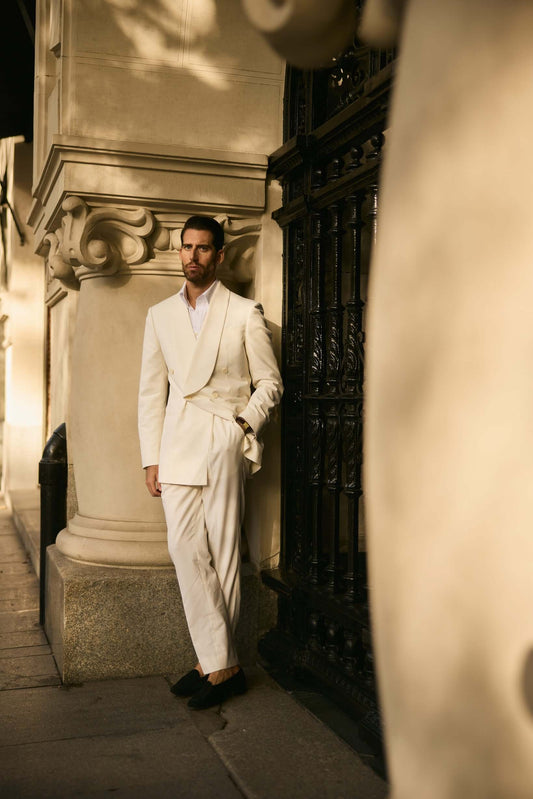
The White Dinner Jacket

The white dinner jacket is a warm-weather alternative to the traditional black tuxedo jacket. It is usually made in white, ivory, or cream and paired with black tuxedo trousers, a white formal shirt, and a black bow tie.
Despite its lighter color, the white dinner jacket remains a form of formal evening wear. It is most appropriate after sunset at destination weddings, summer receptions, cruises, resorts, and events held in tropical climates.
Shawl and peak lapels are the most traditional choices. Black satin or grosgrain facings create strong contrast, while self-faced ivory lapels produce a softer appearance. Because the jacket already stands out, the remaining elements of the outfit should remain simple and traditionally black and white.
The style flatters most body types, but white naturally draws attention and may visually broaden the upper body. Precise shoulder fit and controlled waist suppression are therefore especially important.
Best occasions for a white dinner jacket
- Destination weddings
- Summer formal events
- Resort celebrations
- Cruise dinners
- Outdoor evening receptions
A white dinner jacket should not be confused with an all-white tuxedo. For traditional styling, it should be worn with black formal trousers rather than matching white pants.
The Midnight Blue Tuxedo

Although black remains the traditional choice, many style experts consider midnight blue one of the most elegant tuxedo colors ever created. Under evening lighting, midnight blue often appears richer and deeper than black while maintaining the same level of formality.
Originally popularized by British tailoring houses, the midnight blue tuxedo has become a favorite for luxury weddings, formal galas, and black tie events where subtle sophistication is appreciated.
Best occasions for a midnight blue tuxedo
- Black tie weddings
- Formal evening receptions
- Charity galas
- Award ceremonies
If you're comparing classic formalwear colors, our guide to the best suit colors for men explains when darker shades work best.
Why Fit Matters More Than Tuxedo Style
Regardless of which tuxedo style you choose, fit plays an important role in how refined the outfit looks. A well-tailored tuxedo should follow the body's natural proportions without appearing excessively tight or oversized.
Before choosing between a single-breasted, double-breasted, or three-piece tuxedo, check these essential fit details:
- Shoulders: The jacket should follow the natural shoulder line without extending too far or creating noticeable pulling.
- Chest: The jacket should close comfortably without forming excessive tension across the front.
- Waist: A gentle taper should define the silhouette while allowing comfortable movement.
- Sleeves: The jacket sleeves should end near the wrist, allowing a small amount of shirt cuff to show.
- Trousers: Formal trousers should fall neatly over the shoes without excessive bunching.
For a more detailed fitting checklist, read our guide to how a suit should fit.
If you're exploring remote fitting options, our article on AI measurements for custom suits explains how smartphone-based measurements can support the tailoring process.
How to Choose the Right Tuxedo

Choosing the right tuxedo involves more than selecting your favorite lapel style. The best option depends on the event, season, body type, and your personal style preferences.
| Consideration | Recommendation |
|---|---|
| Formal Black Tie Event | Peak or Shawl Lapel |
| Wedding | Single-Breasted or Three-Piece |
| Summer Event | White Dinner Jacket |
| Holiday Party | Velvet Tuxedo |
| Modern Style | Midnight Blue Tuxedo |
Find Your Ideal Formal Look
Explore custom tuxedo options for weddings, galas, and black-tie occasions, with styles and details to match your preferences.
Explore Custom TuxedosCommon Mistakes When Choosing a Tuxedo

- Choosing a regular suit instead of a tuxedo for black tie events.
- Wearing a necktie instead of a proper bow tie.
- Selecting oversized jackets or trousers.
- Ignoring lapel style when matching the event.
- Pairing a tuxedo with casual shoes.
- Skipping alterations before the event.
- Over-accessorizing with flashy jewelry.
Benefits of Choosing a Custom Tuxedo
More men are now choosing custom tuxedos because they offer:
- Better fit
- Fabric customization
- Personalized styling
Custom tailoring allows you to control lapel style, jacket structure, and overall proportions.
If you're exploring tailored options, the custom suits page explains how made-to-measure garments work.
You can also browse the complete suit and tuxedo collection to explore different formalwear styles.
Essential Accessories for Every Tuxedo

The right accessories complete a tuxedo just as much as the jacket itself. Even the finest tuxedo can lose its elegance if paired with the wrong shoes or neckwear.
- Black silk bow tie
- Patent leather Oxford shoes
- White tuxedo shirt
- White linen pocket square
- Cufflinks
- Dress studs
- Cummerbund or waistcoat
For a complete guide, read our Best Tuxedo Shirts Guide.
Frequently Asked Questions About Tuxedo Types
What Are the Different Types of Tuxedos?
The main tuxedo styles include single-breasted, double-breasted, peak lapel, shawl lapel, notch lapel, and three-piece designs. Other popular variations include velvet tuxedos, midnight blue tuxedos, colored tuxedos, and white dinner jackets. These categories may overlap within the same outfit.
Are All Tuxedos the Same?
No. Tuxedos vary by jacket construction, lapel shape, color, fabric, fit, and accessories. A double-breasted peak-lapel tuxedo, for example, creates a different silhouette from a single-breasted shawl-lapel tuxedo, even though both can be appropriate for traditional black tie.
What Is the Most Traditional Tuxedo Style?
A black or midnight blue tuxedo with peak or shawl lapels is one of the most traditional choices for black-tie eveningwear. Pair it with matching formal trousers, a white tuxedo shirt, black bow tie, and appropriate black formal shoes.
Are All Tuxedos Black?
No. Midnight blue is a traditional alternative to black, while white dinner jackets are appropriate for certain warm-weather evening events. Burgundy, forest green, and other colors may work for creative black tie or less traditional celebrations.
Which Type of Tuxedo Is Best for a Wedding?
For a traditional black-tie wedding, a black or midnight blue tuxedo with peak or shawl lapels is a dependable choice. For less traditional weddings, a double-breasted tuxedo, velvet dinner jacket, or carefully selected alternative color may be appropriate depending on the dress code.
What Is the Difference Between a Shawl and Peak Lapel Tuxedo?
A shawl lapel features a smooth, rounded shape that creates a softer formal appearance. A peak lapel has pointed edges that angle upward toward the shoulders, creating a sharper silhouette. Both are established choices for traditional black-tie eveningwear.
Final Thoughts on Choosing a Tuxedo Style
The best tuxedo is not necessarily the boldest or most expensive option. It is the one that fits properly, respects the event’s dress code, suits the season, and reflects your personal style.
A single-breasted peak lapel tuxedo remains the safest all-around choice for traditional black tie occasions. A shawl lapel offers softer evening elegance, while a double-breasted tuxedo creates a more commanding silhouette. Velvet jackets, midnight blue tuxedos, and white dinner jackets provide distinctive alternatives for men who want a more individual look.
Understanding the different types of tuxedos allows you to select formalwear with greater confidence rather than choosing based on appearance alone. Proper tailoring, balanced accessories, and an appropriate lapel and fabric will ultimately determine how polished the outfit looks.
To create formalwear tailored to your measurements and preferences, visit our custom tuxedo page or browse the complete suit and tuxedo collection.