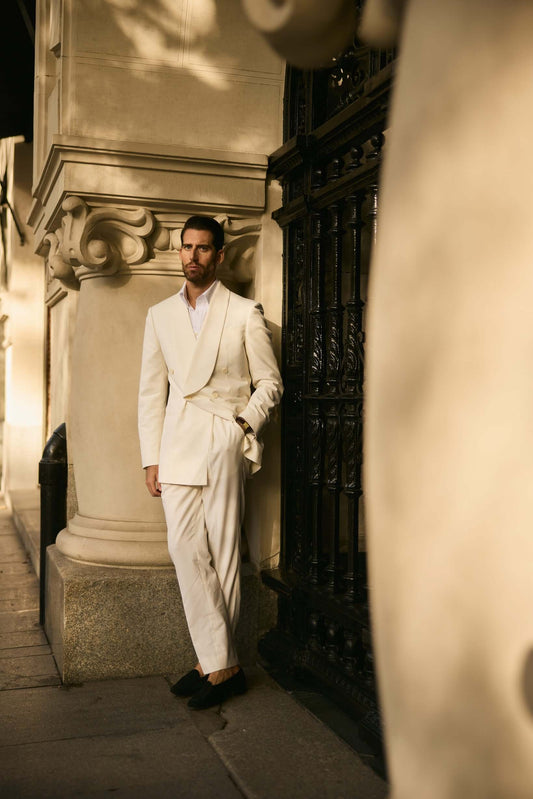
What to Wear to Networking Events: Men's Style Guide

What to Wear to Networking Events: Men's Style Guide

Last modified:

Knowing what to wear to networking events starts with understanding the audience, venue, and expected dress code. For most professional networking events, men can wear a well-fitting dress shirt with tailored trousers and leather shoes, adding a blazer or suit when the setting is more formal.

The goal isn't to wear the most expensive outfit in the room. It's to look prepared, approachable, and appropriate for the people you're meeting.

Key Takeaways

  • Business casual works for many networking events, but corporate functions may require a suit.
  • A blazer, dress shirt, tailored trousers, and loafers offer a flexible starting point.
  • Check the industry and venue before deciding how formally to dress.
  • Fit, cleanliness, and comfort matter more than expensive labels.
  • Prepare an outfit that allows you to stand, walk, sit, and interact comfortably.

What to Wear to Networking Events Based on Dress Code

Your networking outfit should reflect the formality of the occasion rather than follow one universal formula.

For a corporate networking dinner, a navy or charcoal suit with a dress shirt and leather shoes is a dependable choice. At an industry conference, a blazer with tailored trousers and a collared shirt may be more practical.

Startup networking events often have a more relaxed dress culture, where Oxford shirts, chinos, and sometimes clean minimalist sneakers can be acceptable. For an evening business mixer, a dark blazer with tailored trousers and polished shoes creates a refined look without necessarily requiring a tie.

These are guidelines rather than rigid rules. A technology conference may have a much more relaxed dress culture than a financial-services reception. Similarly, an invitation that says "business attire" deserves more attention than the fact that the event takes place in a casual venue.

Why Does Your Networking Outfit Matter?

Your outfit affects whether you appear appropriately prepared for the setting. Networking is about conversation, relationships, and professional credibility. Clothing doesn't replace your expertise, but it forms part of the first impression people receive.

An outfit that's significantly more casual than the event may make you feel uncomfortable. Dressing far more formally than everyone else can also create unnecessary self-consciousness.

The best approach is to look polished without drawing attention away from the conversation. For most men, this means prioritizing fit, clean footwear, restrained colors, and comfortable layers.

What Should Men Wear to a Business Networking Event?

A blazer with tailored trousers is one of the most useful combinations for professional networking.

Start with a navy blazer and gray trousers. Add a light-blue or white dress shirt and brown leather loafers. This works well for industry mixers, professional association meetings, and networking lunches.

If the event feels more conservative, replace the blazer-and-trousers combination with a matching suit. If it's more relaxed, you can remove the blazer and still have a complete outfit.

This flexibility is particularly helpful when you're attending an event for the first time.

Should You Wear a Suit to a Networking Event?

A suit is appropriate when the event involves senior executives, traditional corporate industries, formal dinners, or a clearly stated business dress code.

Navy and charcoal are practical choices because they are professional without being overly conspicuous. A white or pale-blue shirt works with either color.

For a conservative event, add a tie and dress shoes. For a less formal gathering, an open-collar shirt may be appropriate.

A suit isn't necessary for every event, however. At an informal startup meetup, a traditional business suit may look unnecessarily formal. A blazer or neatly pressed shirt could be more appropriate.

When the invitation doesn't specify a dress code, use the organizer's website, past event photos, or venue information to judge the expected level of formality.

What to Wear to an Industry Conference

Conference attire should balance professionalism with practicality. You may spend hours walking between sessions, standing in queues, and speaking to people.

A breathable dress shirt, comfortable trousers, and a lightweight blazer are practical choices. Choose shoes that look presentable but won't become uncomfortable after extended walking.

If you're attending in warm weather, select fabrics suited to the temperature. Lightweight wool, cotton, and other breathable materials can be useful depending on their construction.

Avoid wearing a bulky jacket simply because it looks impressive. Comfort affects how naturally you'll move and interact.

If you're presenting on stage or meeting important clients, you may want a slightly more formal outfit than you'd wear as an ordinary attendee.

What Should Men Wear to Casual Networking Events?

Casual networking attire should still look intentional.

A light-blue Oxford shirt, beige chinos, and suede loafers is an approachable outfit for a relaxed professional gathering. A fine-knit polo with dark trousers can also work in creative and technology settings.

Avoid heavily distressed jeans, graphic T-shirts, gym clothes, and visibly worn athletic shoes unless the event explicitly encourages such attire.

Clean dark jeans may be acceptable in some relaxed professional environments, but chinos are usually a safer choice when you're uncertain.

The objective is to look like you've made an effort without appearing overdressed.

What Colors Work Best for Professional Networking?

Neutral colors are versatile because they coordinate easily and rarely feel out of place.

Navy communicates a traditional business style and pairs well with gray, white, and beige. Charcoal and medium gray work with many shirt colors. White and light blue are dependable choices for dress shirts.

Muted green, burgundy, and brown can add personality through smaller details, such as knitwear or accessories.

You don't need to avoid color completely. A distinctive but tasteful combination can help express personal style. The key is to avoid an outfit so visually dominant that it distracts from your conversation.

Should You Wear a Tie?

Wear a tie when the dress code is business formal or the event has a conservative professional atmosphere.

For business-casual networking, a tie is often optional. A practical strategy for an unfamiliar corporate event is to arrive in a suitable suit or blazer and carry a tie if the occasion appears likely to require one.

However, avoid dressing based solely on assumptions about an industry. Specific organizations can have very different cultures.

How to Choose Shoes for Networking Events

Shoes should look professional while allowing you to move comfortably.

Leather loafers are versatile for business-casual settings. Oxfords and Derbies work well with suits and structured tailoring.

Suede shoes can be suitable for relaxed professional events, especially when paired with chinos or separate trousers. Minimal sneakers may be acceptable in informal creative environments, but they are less reliable for traditional business networking.

Make sure your shoes are clean and in good condition. If you'll be standing for several hours, comfort should be a serious consideration.

A Practical Networking Outfit Checklist

Before leaving, check the following:

  • Does your outfit match the invitation's dress code?
  • Is your shirt clean, pressed, and comfortable around the collar?
  • Does your  blazer fit correctly across the shoulders ?
  • Are your trousers the appropriate length?
  • Are your shoes polished and comfortable?
  • Can you sit, stand, and move naturally?
  • Do you have a practical place for your phone, business cards, or other essentials?
  • Are your accessories understated enough for the occasion?

If everything fits well and suits the setting, you're ready.

Common Networking Outfit Mistakes

One mistake is treating every networking event as equally formal. A business reception and a casual industry meetup may require very different outfits.

Another is choosing clothing based entirely on appearance rather than comfort. Tight collars, restrictive jackets, and uncomfortable shoes can become distracting during long conversations.

Over-accessorizing can also create an unnecessarily busy appearance. Finally, avoid wearing poorly maintained clothing. Wrinkled shirts, visibly damaged shoes, and badly fitting trousers can undermine an otherwise thoughtful outfit.

Conclusion

Deciding what to wear to networking events is easier when you prioritize appropriateness, fit, and comfort.

A navy blazer, tailored trousers, crisp shirt, and polished shoes will cover many professional situations. Adjust the formality according to the event, and focus on making meaningful connections rather than constantly worrying about your clothes.

FAQs About Networking Event Attire

Can You Wear Jeans to a Networking Event?

Yes, but only when the setting is sufficiently casual. Dark, clean jeans with a dress shirt and blazer can work for some startup or creative-industry events. For traditional corporate networking, tailored trousers or chinos are usually a safer choice.

Is Business Casual Appropriate for Networking?

Business casual is appropriate for many networking events unless the invitation specifies a more formal dress code. A collared shirt, tailored trousers, and suitable leather shoes form a dependable foundation. Adding a blazer makes the outfit more adaptable.

Should You Wear a Blazer to a Networking Event?

A blazer is a useful choice because it makes an outfit look more polished without requiring a full suit. It's particularly suitable for conferences, mixers, and professional meetings. It may be unnecessary for informal meetups, depending on the environment.

What Should Men Wear to Evening Networking Events?

For evening networking, consider a dark blazer or suit with a light-colored dress shirt and leather shoes. Corporate dinners may require a tie, while informal mixers often allow open-collar shirts. Always follow the organizer's stated dress code.

Back to blog

Leave a comment

Please note, comments need to be approved before they are published.

  • What to Wear to Networking Events: Men's Style Guide

    What to Wear to Networking Events: Men's Style Guide

    Last modified:

    Knowing what to wear to networking events starts with understanding the audience, venue, and expected dress code. For most professional networking events, men can wear a well-fitting dress shirt with tailored trousers and leather shoes, adding a blazer or suit when the setting is more formal. The goal isn't to wear the most expensive outfit in the room. It's to look prepared, approachable, and appropriate for the people you're meeting. Key Takeaways Business casual works for many networking events, but corporate functions may require a suit. A blazer, dress shirt, tailored trousers, and loafers offer a flexible starting point. Check the industry and venue before deciding how formally to dress. Fit, cleanliness, and comfort matter more than expensive labels. Prepare an outfit that allows you to stand, walk, sit, and interact comfortably. What to Wear to Networking Events Based on Dress Code Your networking outfit should reflect the formality of the occasion rather than follow one universal formula. For a corporate networking dinner, a navy or charcoal suit with a dress shirt and leather shoes is a dependable choice. At an industry conference, a blazer with tailored trousers and a collared shirt may be more practical. Startup networking events often have a more relaxed dress culture, where Oxford shirts, chinos, and sometimes clean minimalist sneakers can be acceptable. For an evening business mixer, a dark blazer with tailored trousers and polished shoes creates a refined look without necessarily requiring a tie. These are guidelines rather than rigid rules. A technology conference may have a much more relaxed dress culture than a financial-services reception. Similarly, an invitation that says "business attire" deserves more attention than the fact that the event takes place in a casual venue. Why Does Your Networking Outfit Matter? Your outfit affects whether you appear appropriately prepared for the setting. Networking is about conversation, relationships, and professional credibility. Clothing doesn't replace your expertise, but it forms part of the first impression people receive. An outfit that's significantly more casual than the event may make you feel uncomfortable. Dressing far more formally than everyone else can also create unnecessary self-consciousness. The best approach is to look polished without drawing attention away from the conversation. For most men, this means prioritizing fit, clean footwear, restrained colors, and comfortable layers. What Should Men Wear to a Business Networking Event? A blazer with tailored trousers is one of the most useful combinations for professional networking. Start with a navy blazer and gray trousers. Add a light-blue or white dress shirt and brown leather loafers. This works well for industry mixers, professional association meetings, and networking lunches. If the event feels more conservative, replace the blazer-and-trousers combination with a matching suit. If it's more relaxed, you can remove the blazer and still have a complete outfit. This flexibility is particularly helpful when you're attending an event for the first time. Should You Wear a Suit to a Networking Event? A suit is appropriate when the event involves senior executives, traditional corporate industries, formal dinners, or a clearly stated business dress code. Navy and charcoal are practical choices because they are professional without being overly conspicuous. A white or pale-blue shirt works with either color. For a conservative event, add a tie and dress shoes. For a less formal gathering, an open-collar shirt may be appropriate. A suit isn't necessary for every event, however. At an informal startup meetup, a traditional business suit may look unnecessarily formal. A blazer or neatly pressed shirt could be more appropriate. When the invitation doesn't specify a dress code, use the organizer's website, past event photos, or venue information to judge the expected level of formality. What to Wear to an Industry Conference Conference attire should balance professionalism with practicality. You may spend hours walking between sessions, standing in queues, and speaking to people. A breathable dress shirt, comfortable trousers, and a lightweight blazer are practical choices. Choose shoes that look presentable but won't become uncomfortable after extended walking. If you're attending in warm weather, select fabrics suited to the temperature. Lightweight wool, cotton, and other breathable materials can be useful depending on their construction. Avoid wearing a bulky jacket simply because it looks impressive. Comfort affects how naturally you'll move and interact. If you're presenting on stage or meeting important clients, you may want a slightly more formal outfit than you'd wear as an ordinary attendee. What Should Men Wear to Casual Networking Events? Casual networking attire should still look intentional. A light-blue Oxford shirt, beige chinos, and suede loafers is an approachable outfit for a relaxed professional gathering. A fine-knit polo with dark trousers can also work in creative and technology settings. Avoid heavily distressed jeans, graphic T-shirts, gym clothes, and visibly worn athletic shoes unless the event explicitly encourages such attire. Clean dark jeans may be acceptable in some relaxed professional environments, but chinos are usually a safer choice when you're uncertain. The objective is to look like you've made an effort without appearing overdressed. What Colors Work Best for Professional Networking? Neutral colors are versatile because they coordinate easily and rarely feel out of place. Navy communicates a traditional business style and pairs well with gray, white, and beige. Charcoal and medium gray work with many shirt colors. White and light blue are dependable choices for dress shirts. Muted green, burgundy, and brown can add personality through smaller details, such as knitwear or accessories. You don't need to avoid color completely. A distinctive but tasteful combination can help express personal style. The key is to avoid an outfit so visually dominant that it distracts from your conversation. Should You Wear a Tie? Wear a tie when the dress code is business formal or the event has a conservative professional atmosphere. For business-casual networking, a tie is often optional. A practical strategy for an unfamiliar corporate event is to arrive in a suitable suit or blazer and carry a tie if the occasion appears likely to require one. However, avoid dressing based solely on assumptions about an industry. Specific organizations can have very different cultures. How to Choose Shoes for Networking Events Shoes should look professional while allowing you to move comfortably. Leather loafers are versatile for business-casual settings. Oxfords and Derbies work well with suits and structured tailoring. Suede shoes can be suitable for relaxed professional events, especially when paired with chinos or separate trousers. Minimal sneakers may be acceptable in informal creative environments, but they are less reliable for traditional business networking. Make sure your shoes are clean and in good condition. If you'll be standing for several hours, comfort should be a serious consideration. A Practical Networking Outfit Checklist Before leaving, check the following: Does your outfit match the invitation's dress code? Is your shirt clean, pressed, and comfortable around the collar? Does your  blazer fit correctly across the shoulders ? Are your trousers the appropriate length? Are your shoes polished and comfortable? Can you sit, stand, and move naturally? Do you have a practical place for your phone, business cards, or other essentials? Are your accessories understated enough for the occasion? If everything fits well and suits the setting, you're ready. Common Networking Outfit Mistakes One mistake is treating every networking event as equally formal. A business reception and a casual industry meetup may require very different outfits. Another is choosing clothing based entirely on appearance rather than comfort. Tight collars, restrictive jackets, and uncomfortable shoes can become distracting during long conversations. Over-accessorizing can also create an unnecessarily busy appearance. Finally, avoid wearing poorly maintained clothing. Wrinkled shirts, visibly damaged shoes, and badly fitting trousers can undermine an otherwise thoughtful outfit. Conclusion Deciding what to wear to networking events is easier when you prioritize appropriateness, fit, and comfort. A navy blazer, tailored trousers, crisp shirt, and polished shoes will cover many professional situations. Adjust the formality according to the event, and focus on making meaningful connections rather than constantly worrying about your clothes. FAQs About Networking Event Attire Can You Wear Jeans to a Networking Event? Yes, but only when the setting is sufficiently casual. Dark, clean jeans with a dress shirt and blazer can work for some startup or creative-industry events. For traditional corporate networking, tailored trousers or chinos are usually a safer choice. Is Business Casual Appropriate for Networking? Business casual is appropriate for many networking events unless the invitation specifies a more formal dress code. A collared shirt, tailored trousers, and suitable leather shoes form a dependable foundation. Adding a blazer makes the outfit more adaptable. Should You Wear a Blazer to a Networking Event? A blazer is a useful choice because it makes an outfit look more polished without requiring a full suit. It's particularly suitable for conferences, mixers, and professional meetings. It may be unnecessary for informal meetups, depending on the environment. What Should Men Wear to Evening Networking Events? For evening networking, consider a dark blazer or suit with a light-colored dress shirt and leather shoes. Corporate dinners may require a tie, while informal mixers often allow open-collar shirts. Always follow the organizer's stated dress code.

  • What to Wear to a Quinceanera as a Guest: Men's Guide

    What to Wear to a Quinceanera as a Guest: Men's Guide

    Last modified:

    If you're wondering what to wear to a quinceanera as a guest, a well-fitting suit with a dress shirt and leather shoes is usually the safest choice for men. Many quinceañeras call for semi-formal or formal clothing, although the correct outfit depends on the invitation, venue, and family's preferences. A quinceañera celebrates a girl's 15th birthday and may include a religious ceremony, dinner, dancing, and other family traditions. Your outfit should respect the importance of the occasion while remaining comfortable enough to enjoy the celebration. Key Takeaways A navy, charcoal, or medium-gray suit is a dependable choice when no dress code is specified. Check the invitation before deciding whether to wear a suit, blazer, or tuxedo. Avoid copying an established court outfit or wearing the celebrant's designated colors without checking. Dress shoes are preferable to athletic sneakers for most formal celebrations. Choose comfortable tailoring because quinceañeras can involve several hours of socializing and dancing. What Is the Dress Code for a Quinceanera? The dress code for a quinceañera is often semi-formal or formal , but it isn't identical at every celebration. Some families organize elaborate events with coordinated colors, formalwear, and a ceremonial court. Others prefer a more relaxed celebration. The invitation is your first source of guidance. If the invitation says formal attire, wear a suit and tie unless the hosts specify a different requirement. If it says semi-formal, a suit remains a strong choice, although the styling can be slightly less traditional. For a cocktail-attire celebration, a dark or medium-colored suit with a dress shirt generally works well. If the invitation says black tie , wear a tuxedo and appropriate formal accessories. And if no dress code is mentioned, a navy or charcoal suit is a sensible default for most evening quinceañeras. A family celebration should be approached with the same consideration you'd give another significant milestone event. What Should a Male Guest Wear to a Quinceanera? A well-fitting suit is the most reliable male guest outfit because it balances respect, versatility, and comfort. Classic Navy Suit A navy suit is versatile and appropriate for many daytime and evening events. Pair it with a white dress shirt, a muted tie, and brown or black leather shoes. Navy also photographs well in different lighting conditions and doesn't require elaborate accessories. Charcoal Suit A charcoal suit is particularly suitable for an evening celebration. Wear it with a white or pale-blue shirt and black shoes. If you're unsure how formal the event will be, this is a dependable option. Light Gray Suit A light or medium-gray suit works well for daytime celebrations and warmer seasons. Pair it with a white shirt and coordinating dress shoes. Keep the rest of the outfit reasonably restrained if the venue or invitation suggests a traditional ceremony. Blazer With Dress Trousers A blazer and trousers can work if the event is explicitly relaxed or semi-formal. For example, combine a navy blazer with gray tailored trousers, a light-colored dress shirt, and brown loafers. However, a coordinated suit is usually the safer option when you don't know the family's expectations. Can You Wear Jeans to a Quinceanera? Jeans are generally not the best choice for a quinceañera unless the invitation clearly indicates casual attire. Even dark, clean denim may appear underdressed at an event featuring formal clothing, a ceremonial entrance, and a large reception. If you're concerned that a full suit will be too formal, tailored trousers and a blazer offer a useful middle ground. Choose trousers that are comfortable for sitting and dancing. Avoid heavily distressed jeans, graphic T-shirts, athletic shorts, and casual sportswear unless the event specifically calls for them. It's better to arrive in a polished outfit and remove your jacket later than to discover you're significantly underdressed. What Colors Should Men Wear to a Quinceanera? Navy, gray, charcoal, and other understated suit colors are practical choices. A quinceañera may feature a carefully planned color theme, sometimes including matching outfits for members of the court. Before selecting a statement color, check whether the family has reserved particular shades for the celebrant or court. You don't automatically need to avoid every bright color. The issue is whether your outfit conflicts with the event's expectations. For example, a burgundy tie with a charcoal suit can add a festive touch without making the entire outfit overly conspicuous. If the invitation specifically requests guests to wear a theme color, follow that instruction. Avoid assuming wedding-related color rules automatically apply to every quinceañera. Family preferences matter more than generalized etiquette. What Shoes Should a Male Guest Wear? Leather dress shoes are the safest option for most quinceañeras. Oxfords and Derbies work well with suits. Polished loafers can also be appropriate for semi-formal or cocktail attire, depending on the outfit. Black shoes complement charcoal and many formal navy suits. Brown shoes work particularly well with navy, medium gray , and lighter suits. Whichever style you choose, make sure the shoes are comfortable enough for several hours of wear. If you plan to dance, don't wear brand-new shoes that haven't been broken in. Clean, understated footwear is preferable to heavily worn sneakers for most formal celebrations. What Should Men Wear to the Church Ceremony? If the quinceañera includes a church service, dress respectfully and follow any venue-specific expectations. A suit or dress trousers with a collared shirt and jacket is generally appropriate. Keep the styling reasonably conservative for the ceremony. A shirt that's widely unbuttoned or an excessively flashy outfit may feel out of place. You can remove your jacket or loosen your tie later if the reception becomes more relaxed and the setting allows it. Remember that the religious service and party may have different atmospheres. Planning for both parts will make the day easier. What Should Teen Boys Wear to a Quinceanera? Teenage male guests can usually follow the same general dress code as adult men, adapted to their age and comfort. A navy or gray suit with a white shirt is a straightforward option. If the invitation allows semi-formal attire, tailored trousers and a blazer may be enough. Make sure the clothes fit properly . An oversized borrowed suit can look less polished than simpler clothing in the right size. Comfort is particularly important for younger guests who may spend hours at the celebration. How to Choose Your Outfit: A Practical Checklist Use this checklist before the event. Read the invitation for formal, semi-formal, cocktail, or theme-specific instructions. Find out whether the celebration includes a religious ceremony. Check whether particular colors are reserved for the celebrant or court. Try on your suit early enough to identify fit problems. Confirm that your shirt collar and sleeves fit comfortably. Choose shoes you can walk and dance in. Keep accessories understated unless the event encourages more expressive dressing. Prepare your clothes the night before to avoid last-minute problems. A little planning helps you arrive feeling appropriately dressed rather than worrying about your outfit. Common Quinceanera Outfit Mistakes for Men One frequent mistake is dressing as though the event is an ordinary birthday party. A quinceañera may involve formal traditions and considerable planning, so casual clothing isn't always suitable. Another mistake is ignoring the invitation's color guidance. If the court is wearing coordinated outfits, avoid accidentally imitating their look. Poor fit is another issue. An expensive suit won't look its best if the jacket is too large or the trousers are excessively long. Finally, choose comfortable shoes. Formal dressing shouldn't make it difficult to participate in the celebration. Conclusion Knowing what to wear to a quinceanera as a guest comes down to respecting the event's dress code while choosing clothing you can comfortably wear throughout the celebration. A navy or charcoal suit, crisp dress shirt, and polished leather shoes will suit many occasions. When the family specifies colors or formal requirements, those instructions should always guide your final choice. FAQs About Men's Quinceanera Attire Do Male Guests Have to Wear a Suit to a Quinceanera? Not always, but a suit is usually a safe choice when the invitation indicates formal or semi-formal attire. Some celebrations permit blazers and trousers or more relaxed outfits. Check the invitation or ask the hosts if the dress code is unclear. Can a Guy Wear All Black to a Quinceanera? Yes, an all-black outfit may be appropriate, particularly for an evening celebration. However, a black suit with a white shirt often creates a more traditional formal look. Check whether the event has specific color rules before choosing a monochromatic outfit. Can Men Wear Sneakers to a Quinceanera? Sneakers are generally less appropriate than dress shoes for formal quinceañeras. Clean, minimalist sneakers might work at an explicitly casual celebration, but Oxfords, Derbies, or suitable loafers are safer when the dress code is uncertain. Should Men Wear a Tie to a Quinceanera? A tie is recommended for formal celebrations and often works well at semi-formal events. For a more relaxed reception, an open-collar dress shirt may be acceptable. Follow the invitation and consider whether you're attending a religious ceremony.

  • What Is a Double Breasted Suit? A Men's Style Guide

    What Is a Double Breasted Suit? A Men's Style Guide

    Last modified:

    A double-breasted suit is a suit with a jacket featuring overlapping front panels and two visible columns of buttons. Unlike a single-breasted jacket, which has a narrower front overlap, a double-breasted jacket wraps further across the torso, creating a structured and distinctive appearance. Double-breasted suits are worn for weddings, business meetings, formal dinners, and contemporary tailored outfits. Understanding their button arrangements, fit, and styling options can help you choose a suit that complements your proportions and personal style. Key Takeaways A double-breasted suit has overlapping jacket panels and two visible columns of buttons. The classic 6x2 button arrangement is common, but 6x1, 4x2, and other configurations exist. Double-breasted jackets traditionally feature peak lapels and a structured silhouette. They work for business, weddings, formal occasions, and selected smart-casual outfits. Shoulder fit, button placement, jacket length, and trouser proportions determine how balanced the suit looks. What Is a Double Breasted Suit? A double-breasted suit consists of matching trousers and a jacket with overlapping front panels that fasten toward one side of the torso. Its two visible button columns and wider front overlap distinguish it from a standard single-breasted jacket. Traditional double-breasted suits often feature peak lapels, a defined waist, and structured shoulders. However, modern versions can use softer construction, lighter fabrics, relaxed silhouettes, and contemporary colors. Although the style has a long history in menswear, it isn't limited to traditional or vintage dressing. The right fabric and proportions can make a double-breasted suit suitable for both classic and modern wardrobes. How Is a Double-Breasted Jacket Different? The most noticeable difference is the jacket's front construction. A double-breasted jacket has a wider overlap and two visible button columns, while a single-breasted jacket typically has one visible button column and a narrower overlap. Both styles can work for professional, social, and formal occasions, but they create different visual impressions. For a detailed comparison of their versatility, advantages, and suitability, read our single-breasted vs. double-breasted suit guide. How Do Double-Breasted Suit Buttons Work? Double-breasted jackets feature two visible button columns, but not every button is designed to fasten. Their configurations are usually described using two numbers: the total number of visible buttons and the number of available fastening positions. Button Style Arrangement Appearance 6x2 Six visible buttons, two fastening positions Classic, traditional silhouette 6x1 Six visible buttons, one fastening position Lower closure with a longer lapel line 4x2 Four visible buttons, two fastening positions Clean, balanced front 4x1 Four visible buttons, one fastening position Minimal design with a lower closure The traditional 6x2 configuration is among the most recognizable. Many double-breasted jackets also include an internal fastening, known as a jigger button, which helps hold the overlapping inner panel in place. Which Buttons Should You Fasten? Fasten the internal button and the appropriate outer working button to maintain the intended jacket shape. On some designs, the lowest working button may be left undone. The correct approach depends on the jacket's construction and button arrangement. Traditionally, double-breasted jackets are worn fastened while standing. Some wearers loosen the jacket when sitting for comfort. Avoid forcing the jacket into a position that creates pulling across the chest or waist. Classic vs. Modern Double-Breasted Suits Classic double-breasted suits are often associated with structured shoulders, peak lapels, a defined waist, and traditional tailoring proportions. These details give the jacket its recognizable appearance. Modern double-breasted suits may feature softer shoulders, lighter fabrics, and more relaxed silhouettes. A navy wool suit creates a refined business look, while a beige linen-blend version can feel appropriate for a relaxed summer celebration. Neither style is automatically better. Choose the fabric, jacket proportions, and construction that match your body shape, personal preferences, and intended occasion. How Should a Double Breasted Suit Fit? A double-breasted suit should sit comfortably across the shoulders and chest while maintaining a balanced silhouette. Because the jacket has overlapping front panels, poor sizing can become particularly noticeable around the buttons and waist. Shoulder Fit The shoulders should follow your natural proportions without excessive overhang. Some deliberate structure is appropriate, but the jacket should not extend awkwardly beyond your shoulder line. Shoulder alterations can be complicated, so this area deserves particular attention when choosing a suit. Chest and Waist The jacket should fasten comfortably without strong pulling across the chest or stomach. Pronounced X-shaped wrinkles near the buttons can indicate that the jacket is too tight. At the same time, excessive fabric around the waist can make the suit appear oversized. The jacket should look balanced from both the front and side. Jacket Length Double-breasted jackets generally need enough length to balance their overlapping front panels. An excessively short jacket may make the buttons look crowded and create disproportionate torso lines. Modern cuts vary, but the jacket length should complement your height, torso proportions, and trouser rise. Trouser Proportions Straight-leg and gently tapered trousers are versatile choices with double-breasted jackets. Pleated trousers can also complement traditional tailoring, particularly when paired with a structured jacket. Extremely skinny trousers may look unbalanced beneath a fuller jacket. For more guidance on proportions, read our suit trouser break guide. Can Short Men Wear Double-Breasted Suits? Yes. Shorter men can wear double-breasted suits successfully when the jacket proportions are chosen carefully. The belief that this style only suits tall men is too restrictive. Pay attention to jacket length, button placement, lapel width, and shoulder construction. A shorter man may prefer moderate lapels, a clean shoulder line, and a jacket that doesn't extend excessively below the seat. Higher-rise trousers can also help maintain balanced proportions. The objective is to create a coordinated silhouette rather than follow rigid height-based rules. Do Double-Breasted Suits Work for Broad or Stocky Men? Yes. Double-breasted suits can work well for men with broad shoulders, fuller chests, or stockier builds when the garment is properly proportioned. Choose sufficient room across the overlapping front panels, appropriate jacket length, and balanced lapel width. Avoid excessive tightness around the chest and unnecessary bulk at the waist. The best fit depends on individual proportions rather than height or body type alone. Find a Suit That Fits Your Style Explore custom tailoring options, fabrics, and suit designs. Explore Custom Suits → When Should You Wear a Double Breasted Suit? Double-breasted suits suit a range of occasions where a polished, tailored appearance is appropriate. The right combination depends on the setting, dress code, and fabric. Weddings Double-breasted suits are suitable for many weddings, particularly formal and cocktail celebrations. Navy, charcoal, and dark gray are dependable choices, while beige and lighter shades can complement daytime or summer events. Always follow the invitation. A regular double-breasted suit is not a substitute for a tuxedo when black-tie attire is required. Explore our wedding suits for additional styling options. Business Meetings A navy or charcoal double-breasted suit creates a traditional professional appearance. Pair it with a white or light-blue dress shirt, a conservative tie, and polished leather shoes. Understated fabrics and restrained accessories are particularly appropriate for more conservative business environments. Formal Dinners Double-breasted suits work well for evening dinners where tailored clothing is expected but a tuxedo isn't required. A dark suit, crisp shirt, and polished footwear create a refined look without excessive accessories. Smart-Casual Events For relaxed occasions, a double-breasted jacket can sometimes be worn separately with tailored trousers and a fine-knit polo. Textured fabrics and softer construction generally make this combination easier to style. However, not every suit jacket works equally well as a separate. Consider its fabric, buttons, and construction before pairing it with contrasting trousers. How to Style a Double-Breasted Suit Let the jacket's lapels and button arrangement provide much of the outfit's visual interest. Choose shirts, footwear, and accessories that complement the suit rather than compete with its structure. Occasion Suit Shirt Shoes Business Meeting Navy double-breasted White shirt and dark tie Black or brown Oxfords Formal Dinner Charcoal double-breasted White or pale-blue shirt Black Oxfords Summer Event Light beige double-breasted Open-collar light shirt Suede loafers Smart-Casual Outing Textured navy double-breasted jacket Fine-knit polo Leather loafers Choose accessories with restraint. A pocket square can add personality, while a coordinating tie and polished footwear create a more traditional finish. For more guidance, explore our suit lapel styles guide and men's dress shoes guide. What Double-Breasted Suit Mistakes Should You Avoid? Incorrect proportions are among the most common styling mistakes. A jacket that is too large can create excessive fabric around the lower torso, while one that is too tight may pull noticeably across the chest and stomach. Other mistakes include choosing overly wide lapels that overwhelm your frame, ignoring the internal fastening button, or selecting trousers that are too slim for the jacket's structure. Double-breasted suits don't need to look old-fashioned. Appropriate fabric choices, balanced proportions, and restrained styling can make them suitable for a contemporary wardrobe. FAQs About Double-Breasted Suits Are Double-Breasted Suits More Formal Than Single-Breasted Suits? Double-breasted suits often appear more structured and traditional, but their formality depends on the fabric, styling, and occasion. A dark single-breasted suit can be more appropriate for a conservative event than a relaxed linen double-breasted suit. Should You Unbutton a Double-Breasted Suit When Sitting? You can unbutton the jacket when sitting if doing so improves comfort and prevents pulling. Traditionally, double-breasted jackets are often kept fastened while standing. Follow the intended design and your comfort preferences. Can You Wear a Double-Breasted Suit Without a Tie? Yes. An open-collar dress shirt or fine-knit polo can complement a double-breasted suit for relaxed and smart-casual occasions. For conservative business meetings and formal celebrations, a tie may be more appropriate. Can a Double-Breasted Suit Be Worn Casually? Yes. Softer construction, textured fabrics, and relaxed styling can make double-breasted tailoring suitable for smart-casual settings. Pair the jacket with appropriate trousers and a simple shirt or fine-knit polo. Conclusion: How to Wear a Double-Breasted Suit Well A double-breasted suit is defined by its overlapping jacket front and two visible columns of buttons. Its distinctive construction creates a structured appearance suitable for business, weddings, formal dinners, and selected smart-casual occasions. To wear one confidently, focus on shoulder fit, chest comfort, jacket length, correct button fastening, and balanced trouser proportions. Whether you prefer classic or modern tailoring, thoughtful fit and restrained styling help create a polished appearance. Ready to Personalize Your Next Suit? Explore jacket and trouser styling options with Bold Italia's 3D suit designer. Design Your 2-Piece Suit →

1 of 3

Custom-Made Suits

Suits Starting at $399 Only
Order Now
Full-body view of a man wearing a tailored light blue plain suit with a crisp white dress shirt, navy silk tie, white pocket square, and black Oxford shoes, showcasing premium custom tailoring and luxury men's formalwear. Full-body view of a man wearing a tailored gray business suit with a crisp white dress shirt, black silk tie, white pocket square, and polished black Oxford shoes, showcasing premium custom tailoring and executive men's formalwear. Full-body portrait of a man wearing a tailored brown plain suit with a matching brown silk tie, crisp white dress shirt, white pocket square, and brown leather Oxford shoes, showcasing luxury custom tailoring and timeless formal menswear.