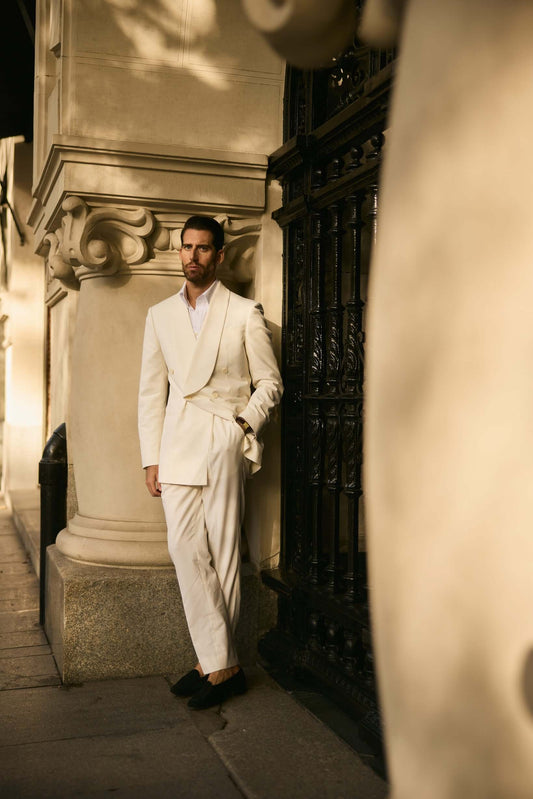

Formal vs Semi-Formal: A Simple Guide to Dressing for Any Event
Last modified:Not sure whether an invitation calls for formal or semi-formal attire? You're not alone. These two dress codes are often confused because both require polished clothing, yet they differ in structure, accessories, styling flexibility, and the occasions they're designed for.
Whether you're attending a wedding, cocktail party, corporate gala, networking event, or formal dinner, understanding the difference between formal vs semi-formal attire helps you dress appropriately without feeling overdressed or underdressed.
This guide explains what each dress code means, the key differences between them, when to wear each, outfit ideas, common mistakes to avoid, and how to choose the right suit for every occasion.
Quick Answer: Formal attire for men usually means a matching tailored suit, dress shirt, polished leather shoes and traditionally a tie, making it appropriate for formal weddings, ceremonies, galas and elegant evening events. Semi-formal attire remains polished but allows greater flexibility through optional neckwear, lighter colors, fewer accessories or, for some contemporary occasions, a tailored blazer with dress trousers.
Formal vs Semi-Formal at a Glance

If you're short on time, this table highlights the main differences between formal and semi-formal attire for men.
| Feature | Formal Attire | Semi-Formal Attire |
|---|---|---|
| Jacket | Matching suit jacket | Matching suit or tailored blazer, depending on the occasion |
| Shirt | Crisp dress shirt | Dress shirt or refined button-down shirt |
| Neckwear | Usually expected | Optional for many modern events |
| Footwear | Polished Oxfords or Derbies | Oxfords, Derbies or polished leather loafers |
| Accessories | Tie, pocket square, cufflinks and dress watch | Fewer, more understated accessories |
| Best Occasions | Formal weddings, galas, ceremonies and elegant evening events | Cocktail parties, dinners, networking events and daytime weddings |
| Overall Style | Traditional, coordinated and highly polished | Polished but more adaptable |
| Formality Level | High | Moderate |
How to Decide Between Formal and Semi-Formal Attire
The invitation should always be your first reference point. If the dress code is not clearly stated, consider the venue, time of day, type of event and expectations of the host before choosing your outfit.
Check the Invitation Wording
Terms such as “formal,” “black-tie optional” and “gala attire” generally call for a dark matching suit, dress shirt, tie and polished leather shoes. “Semi-formal” and “cocktail attire” allow greater flexibility, although the outfit should still look coordinated and refined.
If an invitation specifies black tie, the expectations are different from ordinary suit-based formalwear. Our guide to black-tie attire for men explains when a tuxedo is required.
Consider the Venue
Ballrooms, luxury hotels, formal clubs and ceremonial venues usually call for more traditional tailoring. Restaurants, rooftop venues, gardens and contemporary event spaces may allow a more adaptable semi-formal outfit.
Consider the Time of Day
Evening events generally lean darker and more formal. Daytime weddings and outdoor celebrations often allow mid-gray, lighter navy, beige or other seasonally appropriate colors.
Consider the Type of Event
A corporate gala, awards ceremony or elegant evening wedding usually requires formal attire. Cocktail parties, networking events, upscale dinners and many daytime weddings are more commonly semi-formal.
When in doubt: Wear a well-tailored navy or charcoal suit with a white dress shirt, tie and polished leather shoes. If the setting proves more relaxed and the invitation does not require formal neckwear, you can remove the tie while keeping the rest of the outfit polished.
What Does Formal Attire Mean?

Formal attire for men usually refers to structured, polished clothing designed for elegant events. It typically involves a tailored suit and classic accessories.
Formal attire does not automatically mean black tie. A dark, well-tailored suit is appropriate for many formal events, while a tuxedo is generally reserved for invitations that specifically state black tie or another tuxedo-based dress code.
Formal events are often associated with:
- weddings
- corporate ceremonies
- formal dinners
- award presentations
- upscale receptions
A standard formal outfit usually includes:
- a tailored suit
- dress shirt
- tie
- leather dress shoes
If you're designing a tailored look, you can create one using the 2-piece suit designer or elevate the outfit with a 3-piece suit .
For a broader overview of formalwear standards, this guide on formal wear for men explains the different levels of men’s dress codes.
What Is Semi-Formal Attire?

Semi-formal attire sits below formalwear and above business casual or smart casual. It should still look deliberate and refined, but it allows more flexibility in color, texture, neckwear and accessories.
A matching suit remains the safest semi-formal choice for weddings and evening occasions. A tailored blazer with dress trousers may also work for contemporary cocktail parties, networking events and daytime celebrations, provided the overall outfit remains polished.
Common semi-formal outfits include:
- a well-fitted two-piece suit with or without a tie
- a navy or gray suit with a dress shirt and polished leather loafers
- a tailored blazer with coordinated dress trousers for less traditional events
Semi-formal dress codes are often seen at:
- daytime weddings
- cocktail events
- networking gatherings
- dinner parties
Understanding how to balance relaxed and structured clothing is important. This guide on business professional attire for men also explains how similar styling works in professional environments.
The Key Differences Between Formal and Semi-Formal

Although the two dress codes may appear similar, a few important details separate them.
1. Structure of the Outfit
Formal attire generally requires a full suit and traditional styling.
Semi-formal attire allows more flexibility. You might wear a blazer with trousers or remove the tie while still maintaining a polished appearance.
2. Accessories
Formal outfits often include classic accessories such as:
- ties
- cufflinks
- pocket squares
Semi-formal attire allows simpler styling. For example, skipping the tie or choosing more relaxed footwear can still maintain the right balance.
3. Suit Complexity
Formal occasions often benefit from layered tailoring, such as a vest.
A 3-piece suit creates a stronger formal appearance, while a simpler 2-piece suit works well for semi-formal settings.
If you’re comparing these styles, the guide on 2-piece vs 3-piece suits explains which option works best.
4. Color and Fabric Flexibility
Formal attire generally favors darker, smoother and more traditional fabrics such as navy or charcoal worsted wool. Semi-formal attire allows greater flexibility, including mid-gray, lighter navy, subtle patterns and seasonally appropriate fabrics such as linen, cotton or tropical wool.
The invitation, venue and time of day should still guide your final choice. A lighter suit may work well for a daytime celebration but feel too relaxed for an elegant evening event.
How to Build the Perfect Formal or Semi-Formal Outfit

Choosing the right dress code is only the first step. Building a polished outfit requires balancing the suit, shirt, shoes, accessories, and overall styling so everything works together.
For Formal Attire
- Choose a matching two-piece or three-piece tailored suit.
- Wear a crisp white or light blue dress shirt.
- Add a silk tie that complements the suit.
- Finish with polished Oxford or Derby shoes.
- Complete the look with a pocket square and a classic dress watch.
If you're attending an elegant evening wedding or business gala, a 3-piece suit creates a more refined and sophisticated appearance.
For Semi-Formal Attire
- Wear a well-fitted suit or an unstructured blazer with tailored trousers.
- A tie is optional depending on the occasion.
- Brown leather loafers or Derbies work well for many events.
- Keep accessories simple and understated.
The goal is to look polished without appearing overly ceremonial.
How Shoes, Fabric, Color and Season Affect Formality
The formality of an outfit is shaped by more than the suit itself. Footwear, fabric texture, color and seasonal styling all influence whether the finished look appears traditional, relaxed or somewhere in between.
Choosing the Right Shoes

Footwear plays a significant role in determining how formal an outfit appears. Black Oxford shoes remain the traditional choice for formal occasions, while Derby shoes offer slightly more versatility. For many semi-formal events, polished leather loafers can also create an elegant appearance, particularly during spring and summer.
Regardless of the dress code, shoes should always be clean, polished and proportionate to the overall outfit.
Choosing the Right Suit Fabric
Fabric affects not only comfort but also the visual formality of an outfit. Smooth worsted wool remains the most versatile option for business events, weddings and evening occasions, while linen creates a more relaxed appearance suited to warm-weather celebrations. Flannel provides additional texture for fall and winter, whereas cotton offers a balanced option for business and social settings.
If you're deciding between seasonal fabrics, our guide to linen vs wool suits explains when each material performs best.
Best Suit Colors for Formal and Semi-Formal Events

Color also influences how formal an outfit appears. Navy and charcoal remain the most versatile choices because they transition effortlessly between business events, weddings and evening occasions. Mid-gray works particularly well for semi-formal settings, while lighter shades such as beige or light blue are better suited to daytime and summer celebrations.
If you're comparing different shades, our guide to the best suit colors for men explains which options provide the greatest versatility.
Formal vs Semi-Formal Attire by Season

Seasonality can influence both fabric selection and overall styling. Lightweight linen and tropical wool work well for spring and summer events, while flannel, heavier wool and layered three-piece suits provide additional warmth and structure during fall and winter.
Seasonal fabrics should improve comfort without reducing the level of polish expected by the dress code. Even at a summer formal event, the outfit should remain coordinated, properly fitted and appropriate for the venue.
Formal vs Semi-Formal by Occasion

The invitation should always take priority. However, the following examples provide practical outfit recommendations for common events when the expected dress code is unclear.
| Occasion | Likely Dress Code | Recommended Outfit |
|---|---|---|
| Corporate Gala | Formal | Dark navy or charcoal suit, dress shirt, tie and polished Oxfords |
| Cocktail Party | Semi-Formal | Gray or navy suit with an optional tie and polished loafers or Derbies |
| Networking Event | Semi-Formal | Tailored blazer with dress trousers or a relaxed two-piece suit |
| Evening Wedding | Formal or Semi-Formal | Dark tailored suit; add a tie and more traditional accessories for a formal invitation |
| Daytime Wedding | Semi-Formal | Navy, mid-gray or a lighter seasonal suit with refined accessories |
| Beach Wedding | Depends on the Invitation | Lightweight wool or linen suit in a seasonally appropriate color |
| Corporate Awards Ceremony | Formal | Dark matching suit, tie and polished leather shoes |
| Upscale Dinner | Semi-Formal | Well-fitted suit or tailored blazer with dress trousers |
Wedding dress codes can vary considerably depending on the invitation, venue, season and time of day. For more specific recommendations, see our guides to wedding suits for men, beach wedding attire and summer formal wedding attire.
Can One Suit Work for Both Formal and Semi-Formal Events?

Yes. A well-tailored navy or charcoal two-piece suit can work across both dress codes when it is styled appropriately. The versatility comes from changing the shirt, neckwear, shoes and accessories rather than replacing the entire outfit.
To Make the Suit More Formal
- wear a crisp white dress shirt
- add a silk tie and pocket square
- choose polished black Oxfords or Derbies
- keep the color combination classic and coordinated
To Make the Suit Semi-Formal
- wear a light blue or subtly patterned dress shirt
- make the tie optional when the occasion permits
- choose brown Derbies or polished leather loafers
- use fewer and more understated accessories
A custom suit gives you additional control over the fabric, lapel style, lining and fit. Explore our custom suits or view the complete suit and tuxedo collection.
Common Mistakes When Dressing Formal or Semi-Formal

Assuming Formal Always Means a Tuxedo
A tuxedo is generally required only when the invitation specifies black tie or another tuxedo-based dress code. Many formal weddings, ceremonies and business events are appropriately attended in a dark tailored suit.
Wearing Shoes That Are Too Casual
Athletic sneakers and heavily casual footwear can undermine an otherwise polished outfit. Choose Oxfords, Derbies or refined leather loafers according to the level of formality.
Choosing the Wrong Fit
An oversized jacket, pulling buttons or excessive trouser bunching can make even an expensive suit look poorly considered. Proper shoulder fit, sleeve length and trouser break are essential.
Ignoring the Venue and Time of Day
A light linen suit may work beautifully for a daytime garden event but feel too relaxed for a formal evening reception. Consider the complete setting before deciding on color and fabric.
Over-Accessorizing
A tie bar, lapel pin, pocket square, statement watch and bold cufflinks worn together can make the outfit feel cluttered. Select a few restrained accessories and allow the tailoring to remain the focus.
Neglecting Garment and Shoe Care
Wrinkled shirts, creased jackets and poorly maintained shoes reduce the impact of an otherwise appropriate outfit. Press the garments and polish the shoes before the event.
A well-tailored navy or charcoal suit remains one of the safest choices when the dress code is unclear because it can transition between formal and semi-formal settings through changes in the shirt, neckwear, shoes and accessories.
Frequently Asked Questions
Is formal attire more dressy than semi-formal?
Yes. Formal attire generally requires a matching tailored suit, classic accessories, and more traditional styling, while semi-formal attire offers greater flexibility depending on the event.
Can I wear a blazer instead of a suit for semi-formal attire?
Yes, for many semi-formal occasions, a tailored blazer paired with dress trousers is appropriate. However, a matching suit remains the safest choice for weddings and evening events.
Do I need a tie for semi-formal attire?
Not always. A tie is optional for many semi-formal events, although wearing one can create a more polished appearance if you're unsure of the expected dress code.
Is cocktail attire the same as semi-formal attire?
Cocktail attire and semi-formal attire are often treated similarly, especially for modern social events. Both typically call for a polished suit, dress shirt and leather shoes, although cocktail attire may allow slightly more expressive colors, textures and accessories. The invitation and venue should determine how much flexibility is appropriate.
Final Thoughts
Understanding the difference between formal and semi-formal attire allows you to approach every event with confidence. While formal dress codes favor traditional tailoring and classic accessories, semi-formal attire offers greater flexibility without sacrificing sophistication.
If you're investing in just one suit, a custom navy or charcoal suit offers exceptional versatility, allowing you to dress confidently for weddings, business events, formal dinners, cocktail parties, and countless other occasions simply by changing your shirt, tie, shoes, and accessories.
Explore our custom suits to create a garment designed specifically for your measurements, personal style, and the occasions that matter most.