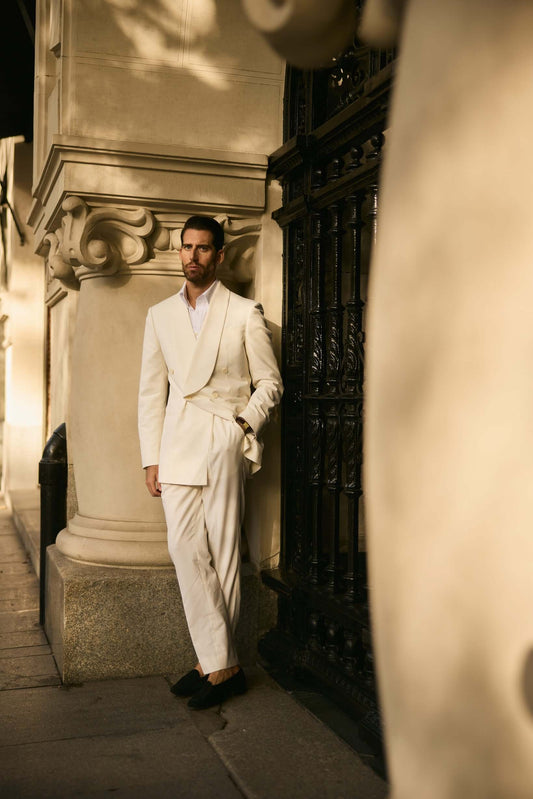

Groomsmen Suits: Best Colors, Fits & Ideas for 2026
Last modified:Choosing the best groomsmen suits means finding the right balance between wedding style, color coordination, comfort, and individual fit. Whether you're planning a formal evening celebration, a beach wedding, or a relaxed outdoor ceremony, the right suits should complement the groom while giving the wedding party a cohesive appearance.
For 2026 weddings, popular groomsmen suit color ideas include classic navy and charcoal, lighter tan and gray, and distinctive shades such as olive, brown, and burgundy. This guide explains how to choose groomsmen suit colors, compare fits and fabrics, coordinate different body types, decide between buying and renting, and plan suit orders before the wedding.
Quick Answer: What Are the Best Groomsmen Suits for 2026?
The best groomsmen suits for 2026 include navy, charcoal gray, light gray, tan, olive green, and brown. Navy and charcoal are versatile choices for formal and year-round weddings, while lighter colors work well for summer, beach, and outdoor celebrations. For easy group coordination, choose a consistent suit color, fabric, and level of formality while allowing each groomsman to select a suitable fit. Start planning several months before the wedding and confirm ordering deadlines with your chosen supplier.
Key Takeaways
- Navy, charcoal, and gray are versatile groomsmen suit colors for formal and year-round weddings.
- Tan, beige, and lighter blue or gray suits are strong options for summer, beach, and destination weddings.
- Brown, burgundy, and olive green complement many fall, rustic, and outdoor celebrations.
- The groom can wear a different suit shade, vest, tie, or boutonniere while maintaining a coordinated wedding-party appearance.
- Keep fabric, color, and formality consistent, but choose individual fits that accommodate different body types.
- Begin planning groomsmen attire four to six months ahead where possible, and confirm production, delivery, and alteration deadlines before ordering.
What Do Groomsmen Wear?

Groomsmen typically wear suits or tuxedos selected to complement the wedding dress code, venue, season and the groom's attire. A two-piece suit works for many modern, semi-formal and daytime weddings, while a three-piece suit adds structure and formality. Tuxedos are generally more appropriate when the wedding specifically calls for black tie or a similarly formal evening dress code.
The goal is coordination rather than making every person look identical. The wedding party can share the same color, fabric and general design while allowing each suit to be tailored to the wearer's proportions.
For a broader overview of wedding tailoring, see our wedding suits for men or read our guide to modern and classic wedding suits.
Best Groomsmen Suit Colors at a Glance

The right color depends on the wedding's level of formality, season, location and overall palette. Use the comparison below as a starting point.
| Suit Color | Best Season | Best Wedding Style | Formality | Shoe Colors |
|---|---|---|---|---|
| Navy | Year-round | Classic, formal, outdoor, destination | Medium–High | Black, dark brown |
| Charcoal Gray | Fall, winter, year-round | Formal, city, evening | High | Black, dark brown |
| Mid-Gray | Spring, summer | Modern, garden, daytime | Medium | Brown, burgundy |
| Tan or Beige | Spring, summer | Beach, destination, outdoor | Low–Medium | Brown, tan |
| Brown | Fall, winter | Rustic, country, outdoor | Medium | Dark brown |
| Olive or Green | Spring, fall | Garden, rustic, outdoor, modern | Medium | Brown, dark brown |
| Burgundy | Fall, winter | Evening, modern, formal | Medium–High | Black, dark brown |
| Black | Year-round | Formal, evening, black-tie-inspired | High | Black |
Best Groomsmen Suit Colors for 2026
Navy Groomsmen Suits

Navy is one of the easiest groomsmen suit colors to coordinate because it works across different seasons, venues and levels of formality. It photographs cleanly, pairs with a wide range of wedding colors and can usually be reworn for business or future formal events.
Navy groomsmen suits work particularly well with white or light blue shirts, black or dark brown shoes and ties in burgundy, sage, silver, blue or other colors selected from the wedding palette.
For more combinations, see our navy suit combinations guide.
Charcoal Gray Groomsmen Suits

Charcoal groomsmen suits are particularly well suited to formal, evening, fall and winter weddings. The darker neutral feels refined without requiring the wedding party to wear black and works especially well in city, ballroom and traditional venues.
Pair charcoal with white shirts for a crisp formal look. Black shoes create the most conservative combination, while dark brown shoes can soften the appearance when the dress code allows.
See our charcoal suit combinations for additional styling ideas.
Light and Mid-Gray Groomsmen Suits

Mid-gray and lighter gray suits create a less formal appearance than charcoal and are strong options for spring, summer, garden and daytime weddings. The neutral base also makes it easy to introduce pastel ties, floral boutonnieres or seasonal accessories.
Gray can be especially useful when the wedding party needs a suit that looks polished without feeling overly formal.
Black Groomsmen Suits

Black suits create a clean and formal wedding-party look, especially for evening ceremonies and minimalist wedding palettes. They work best when the event itself has an appropriately formal atmosphere.
A black suit should not automatically be treated as a substitute for a tuxedo when the invitation specifies black tie. If you are deciding between the two, read our tuxedo vs. suit guide.
Tan and Beige Groomsmen Suits

Tan and beige groomsmen suits work especially well for summer, beach, destination and outdoor weddings. Their lighter appearance complements warm-weather settings and tends to feel less formal than navy or charcoal.
White shirts and brown or tan shoes keep the combination clean. For warm climates, fabric choice becomes equally important, so consider linen, linen blends or lightweight wool where appropriate.
See our summer suits and linen vs. wool suit comparison when selecting fabrics for warmer weather.
Brown Groomsmen Suits

Brown suits are a natural fit for fall, rustic and outdoor weddings. Medium and darker browns pair well with cream, ivory, forest green, burgundy and other earthy wedding colors.
Texture can make brown particularly effective. Fabrics with a subtle weave or seasonal character can give the group visual depth without relying on loud patterns.
Green and Olive Groomsmen Suits

Muted green, olive and deeper forest tones can work well for garden, outdoor, rustic and fall weddings. Green is more distinctive than navy or gray, so the surrounding palette should be planned carefully.
Brown leather shoes and neutral shirts are usually the easiest pairings. For detailed combinations, see our green suit style guide.
Burgundy Groomsmen Suits

Burgundy is a bolder option that can work particularly well for fall, winter and evening weddings. Because the suit itself becomes a strong visual element, keep shirts and accessories relatively restrained so the wedding party does not look overly coordinated or costume-like.
Groomsmen Suit Color Ideas: 5 Coordinated Wedding Looks

Choosing groomsmen suit colors becomes easier when the entire outfit is planned together. Instead of selecting jackets and trousers alone, consider how the shirts, ties, shoes, and groom's attire will work as one wedding-party look.
1. Navy Suits With Sage Green Accessories
Navy groomsmen suits paired with white shirts, sage green ties, and dark brown shoes create a classic combination for garden, spring, and outdoor weddings. The groom can wear a navy three-piece suit or a different tie to stand out.
2. Charcoal Suits With Burgundy Ties
Charcoal suits, white shirts, burgundy ties, and black dress shoes create a refined look for formal and fall weddings. This combination is particularly effective when the wedding palette includes deeper red or neutral shades.
3. Tan Suits With White Shirts and Brown Shoes
Tan or beige groomsmen suits offer a relaxed yet polished choice for beach and destination weddings. White shirts, brown leather shoes, and understated accessories keep the overall look balanced.
4. Olive Green Suits With Neutral Accessories
Olive green groomsmen suits paired with white or ivory shirts and dark brown shoes suit rustic, garden, and fall weddings. Keep ties and pocket squares neutral to prevent the outfit from becoming overly colorful.
5. Black Suits With White Shirts and Black Ties
Black groomsmen suits with white shirts, black ties, and polished black dress shoes create a coordinated formal appearance. For weddings with a specified black-tie dress code, choose appropriate tuxedos rather than treating ordinary black suits as interchangeable.
The best groomsmen suit color ideas complement the wedding setting while keeping the group visually consistent. Once the color palette is finalized, individual tailoring can help accommodate different heights, builds, and fit preferences.
Should the Groom and Groomsmen Wear the Same Suit?
No. The groom and groomsmen do not have to wear exactly the same suit. The wedding party should look coordinated, but the groom can be distinguished through color, fabric, a vest, lapel treatment, tie, boutonniere or another controlled detail.
For example, the groom might wear a navy three-piece suit while the groomsmen wear navy two-piece suits. Another option is to keep everyone in the same color family while giving the groom a slightly darker, lighter or more textured suit.
How Should the Groom Stand Out From the Groomsmen?
The easiest approach is to change one or two details rather than completely separating the groom from the wedding party. The groom can wear a three-piece suit while the groomsmen wear two-piece suits, choose a different vest or tie, use a distinct boutonniere or select a subtly different shade within the same color family.
This preserves visual consistency in wedding photographs while clearly identifying the groom.
Should Groomsmen Match Exactly?
Groomsmen do not need to match in every detail. A cohesive wedding party can use the same suit color and fabric while tailoring the jacket and trousers individually. Accessories can either match or vary within a carefully controlled theme.
A practical formula is:
- Same primary suit color
- Same or closely coordinated fabric
- Consistent level of formality
- Individual fit for each groomsman
- Coordinated rather than necessarily identical accessories
Custom tailoring is especially useful when members of the wedding party have different heights, builds or proportions. Browse our custom suits for individually fitted options.
Best Groomsmen Suits by Season

Spring Groomsmen Suits
Navy, medium blue, mid-gray, olive and lighter neutrals all work well for spring weddings. Consider the venue and expected temperature before choosing fabric weight, particularly for outdoor ceremonies.
Summer Groomsmen Suits
For summer groomsmen suits, prioritize breathable fabrics and lighter colors where the dress code permits. Tan, beige, light gray and medium blue can complement beach, garden and destination weddings, while lightweight wool and linen are useful fabric options for warm weather.
Fall Groomsmen Suits
Fall weddings work particularly well with brown, olive, forest green, charcoal and navy. Richer colors and textured fabrics naturally complement rustic venues, autumn foliage and deeper seasonal palettes.
Winter Groomsmen Suits
Charcoal, dark navy and black are dependable options for winter weddings. Wool and other seasonally appropriate fabrics can provide more structure and comfort than lightweight summer materials.
Best Groomsmen Suits by Wedding Style

| Wedding Style | Recommended Suit Colors | Fabric or Style Direction |
|---|---|---|
| Beach Wedding | Tan, beige, light gray, light blue | Linen, lightweight wool, less structured tailoring |
| Garden Wedding | Navy, gray, olive, medium blue | Light to midweight fabrics |
| Rustic Wedding | Brown, olive, charcoal, navy | Textured and seasonal fabrics |
| Formal Wedding | Charcoal, navy, black | Structured wool tailoring |
| Black-Tie Wedding | Black or midnight blue | Tuxedo |
| Destination Wedding | Tan, beige, blue, light gray | Lightweight wool or linen |
| Fall Wedding | Brown, charcoal, olive, dark navy | Medium-weight or textured fabrics |
For warm-weather ceremonies, our beach wedding attire guide provides additional outfit ideas.
How Should a Groomsman Suit Fit?

A groomsman suit should follow the body without pulling across the chest, waist or seat. The jacket shoulders should sit close to the natural shoulder, the collar should rest cleanly against the shirt, the sleeves should allow a small amount of shirt cuff to show and the trousers should fall cleanly without excessive fabric pooling over the shoes.
Classic or Regular Fit
A regular fit provides additional room through the chest, waist and trousers. It can be a comfortable option for groomsmen who prefer a more traditional silhouette or need greater ease of movement.
Modern Fit
Modern fit sits between classic and slim tailoring. It creates cleaner lines without fitting as closely as a traditional slim suit, making it a practical starting point for groups containing different body types.
Slim Fit
Slim-fit suits can look sharp when the proportions suit the wearer, but the jacket should not pull at the button and the trousers should not feel restrictive. Avoid putting every groomsman into a slim fit simply because it is part of the wedding-party design.
For a more detailed fit comparison, see slim fit vs. regular fit suits.
How to Coordinate Groomsmen With Different Body Types

Wedding parties often include men with different heights, shoulder widths, waist proportions and trouser preferences. Consistency should therefore come from the design rather than forcing every person into identical sizing or the same silhouette.
A practical approach is to keep these elements consistent:
- Suit fabric
- Primary suit color
- Lapel style
- Button configuration
- General level of formality
Then adjust these elements individually:
- Jacket chest and waist
- Sleeve length
- Trouser waist and rise
- Trouser taper
- Jacket and trouser length
This is one reason custom tailoring can work particularly well for groomsmen groups: everyone can maintain a shared aesthetic without pretending that one standard cut fits every body.
Why Custom Suits Work Well for Groomsmen Groups
Custom groomsmen suits allow the wedding party to maintain consistent fabric, color and design while adjusting measurements for individual wearers. This can be especially useful when the group includes different body types or members who cannot all attend fittings in the same location.
Individual tailoring also improves the chances that a versatile navy, charcoal or gray suit can be worn again after the wedding rather than functioning as one-day attire.
You can review our custom suit and tuxedo options or learn more about how custom-tailored suits differ from off-the-rack suits.
How to Order Groomsmen Suits When Everyone Lives in Different Cities
Coordinating groomsmen becomes more complicated when members of the wedding party live in different cities or countries. Instead of arranging one group fitting, establish the design and deadlines first, then handle each groomsman's measurements individually.
- Choose one suit design. Confirm the color, fabric, lapel and two-piece or three-piece format.
- Set a measurement deadline. Give every groomsman the same date by which measurements must be completed.
- Collect measurements individually. Each member should provide measurements using the approved process.
- Standardize accessories. Confirm shirt, shoe, tie and pocket-square requirements in writing.
- Leave time for adjustments. Do not schedule delivery immediately before the wedding.
- Complete a final try-on. Every groomsman should try the full outfit, including shoes and shirt, before wedding day.
Digital measurement options can make remote coordination easier when the wedding party cannot visit the same location. Read how AI measurements can support custom suit fitting using a phone.
Planning Suits for Groomsmen in Different Locations?
Coordinating wedding attire across different cities? Share your wedding date, preferred suit colors, and group requirements with the Bold Italia Suit team.
Discuss Groomsmen Suit Options2-Piece vs. 3-Piece Suits for Groomsmen

2-Piece Groomsmen Suits
A two-piece suit consists of a matching jacket and trousers. It is the most versatile option for many wedding parties because it works across semi-formal, modern and warm-weather settings and can be easier to rewear after the wedding.
Browse the custom 2-piece suit designer for this configuration.
3-Piece Groomsmen Suits
A three-piece suit adds a matching or coordinated vest. It creates a more formal and structured appearance and gives the groomsmen a polished look even after jackets come off during the reception.
Three-piece suits can work especially well for traditional venues, cooler seasons and weddings where the groom and wedding party want a more formal presentation.
You can use the custom 3-piece suit designer or compare the options in our 2-piece vs. 3-piece suit guide.
Should Groomsmen Wear Suits or Tuxedos?
Groomsmen should generally wear tuxedos when the wedding dress code is black tie and suits when the event is formal, semi-formal or less restrictive. The venue, time of day and the groom's attire should also be considered.
If the groom wears a tuxedo at a formal evening wedding, tuxedos for the groomsmen usually create the most consistent level of formality. For many daytime, destination and modern weddings, suits provide more flexibility.
For formal options, see our custom tuxedos.
Coordinating Shirts, Ties, Shoes & Accessories

Once the suits are selected, accessories should reinforce the wedding palette rather than compete with it. The simplest approach is to establish one consistent foundation and allow controlled variation elsewhere.
Shirts
White dress shirts are the easiest option for most formal and wedding-party combinations. Light blue and other subtle shades can work when they complement the suit and overall wedding palette.
Ties
Groomsmen can wear identical ties, different patterns within the same color family or related shades selected from the wedding colors. If accessories vary, keep the suit itself consistent so the group remains cohesive.
Shoes
Black dress shoes are a dependable choice for black, charcoal, and formal navy groomsmen suits. Dark brown shoes coordinate well with navy, medium gray, brown, and olive green, while tan or medium brown footwear can complement lighter suits worn at summer and outdoor weddings.
For a cohesive wedding-party appearance, coordinate shoe color and formality across the group. The shoes do not have to come from the same brand, but noticeably different colors and styles can make otherwise matching suits look inconsistent in photographs.
For help comparing formal shoe styles, read our men's dress shoes guide.
Pocket Squares and Boutonnieres
Pocket squares and boutonnieres are useful places to introduce subtle variation. The groom can also use a distinct boutonniere or accessory to differentiate his outfit from the groomsmen.
Should Groomsmen Buy or Rent Their Suits?
Buying makes the most sense when the suit is versatile enough to wear again, while renting can be practical for specialized formalwear that a groomsman is unlikely to reuse. Fit, customization, budget and future use should all be considered.
| Factor | Buying | Renting |
|---|---|---|
| Best For | Versatile suits that can be reworn | Specialized or one-time formalwear |
| Fit | Can be individually tailored | Depends on available rental sizing |
| Long-Term Use | Yes | No |
| Customization | Greater flexibility | Usually more limited |
| Planning | Requires ordering and alteration time | Requires rental scheduling and return |
A navy, charcoal or gray custom suit can provide better long-term utility if the groomsman expects to attend future weddings, business events or formal occasions.
Who Pays for Groomsmen Suits?
There is no universal rule for who pays for groomsmen suits. In some weddings, each groomsman pays for his own suit or rental. In others, the couple or groom covers all or part of the expense, particularly when a specific custom outfit is required.
Whatever arrangement you choose, communicate the expected cost before asking the wedding party to place an order. Providing the exact suit, accessories, deadline and expected budget at the same time can prevent confusion later.
When Should Groomsmen Order Their Suits?
Groomsmen should ideally begin planning their suits four to six months before the wedding. This gives the group time to choose colors, agree on a budget, compare buying and renting, collect measurements, and confirm ordering requirements. Custom suits, larger wedding parties, and destination weddings may require additional preparation.
The actual ordering deadline depends on the supplier, fabric availability, production process, shipping location, and alteration requirements. For custom groomsmen suits, confirm these details before setting a group deadline rather than assuming every order can be completed within the same timeframe.
Groomsmen Suit Ordering Timeline
4–6 Months Before the Wedding: Choose the Style and Budget
Finalize the wedding dress code, primary suit color, fabric preferences, and whether the groomsmen will buy, rent, or order custom suits. Agree on the expected budget and confirm that the preferred supplier can accommodate the entire group.
3–4 Months Before: Complete Measurements and Confirm Orders
Arrange individual measurements, select the required sizes or custom specifications, and place orders according to the supplier's confirmed deadlines. Larger groups and custom orders should allow additional time where necessary.
6–8 Weeks Before: Check Order Progress and Accessories
Confirm the status of all orders, delivery expectations, and the availability of shirts, ties, shoes, and other accessories. If any suits have arrived, arrange initial try-ons and identify any necessary alterations.
2–4 Weeks Before: Complete Final Adjustments
Allow time to address fit issues, including sleeve length, trouser length, jacket waist, and overall comfort. Everyone should check the suit with the shirt and shoes intended for the wedding.
Wedding Week: Perform a Final Outfit Check
Each groomsman should confirm that the complete outfit fits comfortably and that all accessories are ready. Avoid leaving major tailoring or replacement decisions until the final days.
What if Groomsmen Are Ordering From Different Cities?
For wedding parties spread across different locations, establish one ordering deadline and share the same reference for suit color, fabric, accessories, and styling. Collect individual measurements according to the supplier's instructions and allow extra time for shipping and adjustments.
Starting early is the safest approach because production and delivery schedules differ between retailers, rental providers, and custom tailoring services.
Can Groomsmen Rewear Their Suits After the Wedding?
Yes. One of the easiest ways to improve the long-term value of a groomsman suit is to select a versatile color and avoid details that make the garment useful only for one wedding.
To make a groomsman suit easier to rewear:
- Choose versatile colors such as navy, charcoal or gray.
- Avoid excessively shiny fabrics.
- Keep novelty details to a minimum.
- Prioritize individual fit rather than a temporary wedding-day silhouette.
- Choose a suit appropriate for future weddings, dinners, professional events or other formal occasions.
Groomsmen Suit Checklist

- ✓ Confirm the wedding dress code.
- ✓ Choose the groomsmen suit color.
- ✓ Select a two-piece or three-piece design.
- ✓ Choose fabric appropriate for the season and venue.
- ✓ Confirm how the groom's outfit will differ.
- ✓ Complete individual measurements.
- ✓ Coordinate shirts and ties.
- ✓ Confirm shoe color.
- ✓ Finalize belts, pocket squares and other accessories.
- ✓ Complete any necessary adjustments before the wedding.
- ✓ Try on the complete outfit with shirt and shoes before wedding day.
Frequently Asked Questions About Groomsmen Suits
What color suits should groomsmen wear?
Navy, charcoal and gray are versatile groomsmen suit colors that work across many wedding styles. Tan and beige are particularly suitable for summer, beach and destination weddings, while brown, olive and forest green work well for fall, rustic and outdoor settings.
Do groomsmen wear the same suit as the groom?
No. The groom and groomsmen can wear coordinated suits without matching exactly. The groom can stand out through a three-piece suit, different vest, distinctive tie, boutonniere, fabric texture or a slightly different shade while maintaining the same overall level of formality.
Can groomsmen wear different suits?
Yes, but intentional coordination is important. For the cleanest group appearance, keep at least one or two major elements consistent, such as suit color, fabric or formality. Individual tailoring can then accommodate different body types without making everyone wear the same cut.
What Are the Best Groomsmen Suits for Easy Group Coordination?
Navy, charcoal gray, and mid-gray suits are practical choices because they work across many wedding styles and are relatively easy to coordinate with shirts, ties, and shoes. Choose a consistent color, fabric, and level of formality while allowing individual fits for different body types. Finalize the design before collecting measurements or placing group orders.
Should groomsmen wear two-piece or three-piece suits?
Two-piece suits work well for most modern, warm-weather and semi-formal weddings because they are versatile and comfortable. Three-piece suits add a vest and create a more formal appearance, making them particularly suitable for traditional venues, cooler seasons and more formal celebrations.
Who pays for groomsmen suits?
There is no universal rule. Groomsmen may purchase or rent their own attire, the groom may cover the cost, or the couple may contribute when a particular custom outfit is required. The important step is communicating the expected cost before the wedding party commits to the order.
When Should Groomsmen Order Their Suits?
Ideally, begin planning groomsmen suits four to six months before the wedding. This allows time to finalize colors, collect measurements, place orders, and arrange alterations. Custom suits and large wedding parties may need more preparation time, so always confirm production and delivery deadlines with the chosen supplier.
Should groomsmen buy or rent suits?
Buying is often more practical when the suit is versatile enough to wear again and individual tailoring is important. Renting can make sense for specialized formalwear, including certain black-tie situations, when the groomsman is unlikely to reuse the outfit.
What shoes should groomsmen wear?
Black dress shoes work particularly well with black, charcoal and formal navy suits. Dark brown shoes complement navy, gray, brown and green suits, while lighter brown or tan shoes can work with beige, light gray and other warm-weather combinations.
Should Groomsmen Wear Suits or Tuxedos?
Groomsmen should generally wear tuxedos when the wedding specifies black tie, while suits are suitable for many formal, semi-formal, daytime, and destination weddings. The groom's attire and overall dress code should guide the decision so the entire wedding party maintains a consistent level of formality.
Final Thoughts on Choosing Suits for Groomsmen
The best suits for groomsmen balance the wedding's dress code with fit, comfort and consistency across the group. Navy and charcoal remain versatile choices, while tan, brown, olive and lighter grays can better suit seasonal, outdoor or less traditional weddings.
Rather than forcing every groomsman into an identical cut, keep important design elements such as color and fabric consistent while tailoring the suit to each individual. The result is a wedding party that looks coordinated without appearing artificially uniform.
Ready to Coordinate Your Wedding Party's Suits?
Explore custom wedding suit styles, colors, and design options from Bold Italia Suit to create a coordinated look for your wedding party.
Explore Wedding SuitsNeed guidance? Contact the Bold Italia Suit team.