Modern Men's Suits 2026: Top Trends, Colors & Fits

Modern Men's Suits 2026: Top Trends, Colors & Fits

Last modified:

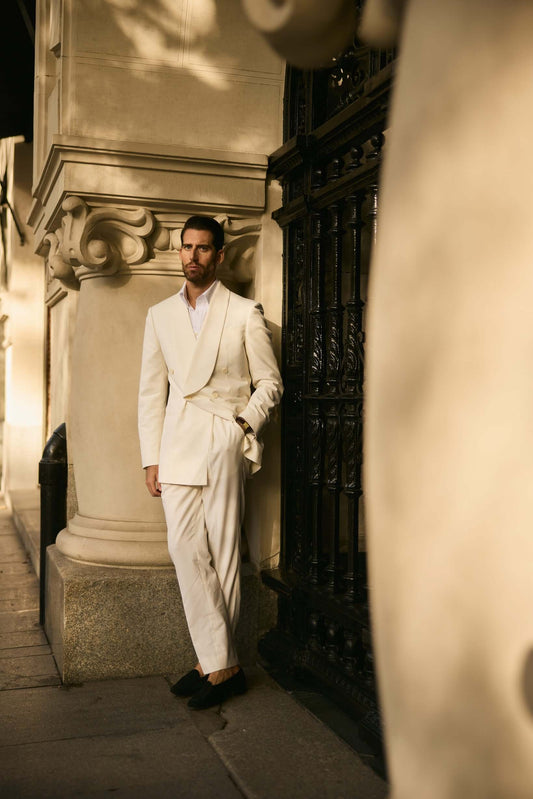
Men’s suit trends in 2026 are moving toward a more balanced approach to tailoring. Instead of extremely slim silhouettes or short-lived statement details, modern men’s suits are focusing on better proportions, softer construction, comfortable fits, textured fabrics and versatile colors.

From updated single-breasted tailoring to relaxed modern fits, refined double-breasted suits and more versatile three-piece options, the latest men’s suit styles are designed to look polished without feeling restrictive.

Quick answer: The key 2026 suit trends include relaxed but tailored fits, natural shoulders, cleaner trouser lines, softer construction, textured fabrics and versatile colors such as navy, charcoal, brown, olive and light gray. Slim-fit suits are still relevant, but extremely tight tailoring is becoming less central to modern menswear.

What “Modern” Really Means in 2026

Modern suiting is no longer about being slim at all costs. In 2026, it’s about:

  • Better proportions
  • Improved comfort
  • Softer structure
  • Versatility across settings 

The goal is a suit that looks sharp in the office, polished at events, and natural in motion.

What Defines a Modern Men's Suit in 2026?

Modern men’s suit in 2026 featuring a tailored navy business suit with a contemporary fit and professional styling.

A modern men's suit in 2026 balances sophistication, comfort, and versatility. Rather than the ultra-slim silhouettes that dominated the previous decade, today's tailoring focuses on natural shoulder lines, improved mobility, softer construction, and timeless styling.

Modern suits are designed to transition seamlessly between business meetings, weddings, cocktail events, and formal occasions. The emphasis is no longer on tight fits or short-lived fashion trends, but on garments that offer comfort without sacrificing elegance.

  • Modern fit silhouettes
  • Natural shoulder construction
  • Premium wool and textured fabrics
  • Versatile color palettes
  • Greater focus on personalization and fit

Whether choosing an off-the-rack garment or investing in a custom suit, the goal remains the same: a refined look that complements both body type and lifestyle.

2026 Men's Suit Trends at a Glance

Men's suit trends 2026 featuring modern fits, natural shoulders, textured fabrics and navy, charcoal, brown, olive and gray suits

If you want a quick overview of what is changing in men’s tailoring, these are some of the most important suit trends shaping 2026.

Suit Element What's In for 2026 Less Dominant
Fit Balanced modern and relaxed tailoring Extremely skinny fits
Shoulders Natural shoulders and softer construction Heavy, rigid padding
Trousers Cleaner lines and balanced leg openings Very narrow trouser legs
Fabrics Textured wool, subtle weaves and matte finishes Overly shiny fabrics
Colors Navy, charcoal, brown, olive and light gray Overly loud novelty colors
Styling Clean, understated and versatile Over-accessorized looks

Trend 1: Relaxed but Refined Fits

Modern men's suit trends 2026 showing relaxed refined fits with natural proportions and comfortable tailored silhouettes

Ultra-skinny suits are officially fading. In their place are modern fits that respect the body’s natural shape.

This shift also makes modern suits work better for more body types, which is why many brands are emphasizing fit flexibility.

Modern Fit vs Slim Fit Suits

Modern fit vs slim fit suits for men, comparing tailored navy suit silhouettes, jacket shape, trouser fit, and overall proportions.

One of the biggest changes in modern tailoring is the move away from extremely slim silhouettes. While slim fit suits remain popular among some men, modern fit suits offer a more balanced combination of comfort, movement, and visual proportion.

If you're deciding between silhouettes, this comparison of slim fit vs classic fit suits provides additional guidance based on body type and comfort preferences.

Feature Modern Fit Slim Fit
Comfort Excellent Moderate
Mobility High Lower
Professional Wear Excellent Good
Body Type Compatibility Most Body Types Best For Lean Builds

For most men in 2026, modern fit tailoring offers the ideal balance between contemporary style and everyday wearability.

What’s Changing

  • Slightly wider trouser legs
  • More room through the chest
  • Clean waist shaping without tightness
  • Balanced jacket lengths

These suits still look tailored — just not restrictive.

To see how modern fits are applied today, browsing the men’s wear collection can be helpful:
Explore Men’s Wear

Trend 2: Softer Construction and Natural Shoulders

Men’s suit with soft construction and natural shoulders, showing relaxed tailoring, lightweight

In 2026, structure hasn’t disappeared — it’s just smarter.

Modern Construction Focus

  • Lighter canvassing
  • Softer shoulder padding
  • Better drape and movement

This creates a suit that feels easier to wear while still maintaining shape.

Softer construction also photographs better and feels more natural in everyday settings.

Men's Suit Styles and Designs to Watch in 2026

Men's suit styles for 2026 including single-breasted, double-breasted, three-piece and soft-structured suits

Fit is only part of the story. The latest suit designs for men in 2026 also show how classic tailoring is being updated through proportion, construction and styling. Instead of one dominant silhouette, men now have several ways to achieve a modern tailored look.

Modern Single-Breasted Suits

The single-breasted suit remains one of the easiest styles to wear across business, weddings and formal occasions. In 2026, the look is less about an aggressively narrow silhouette and more about balanced jacket length, natural shoulders, comfortable movement and clean waist shaping.

A two-button jacket in navy, charcoal or medium gray remains especially versatile because it can move easily between professional and social settings.

If you're comparing jacket styles, read our guide to single-breasted vs double-breasted suits .

Double-Breasted Suits

Double-breasted tailoring offers a stronger visual presence while still fitting naturally into modern menswear. The updated approach works best when the jacket maintains clean proportions, controlled structure and enough room for comfortable movement.

Navy, charcoal and subtle textured fabrics can make a double-breasted suit easier to wear without making the outfit feel overly formal or costume-like.

Three-Piece Suits

Three-piece suits remain an important option for men who want a more complete tailored look. Adding a waistcoat gives the outfit additional structure and can work particularly well for weddings, formal occasions and events where a standard two-piece suit may feel too understated.

The key is proportion. The jacket, waistcoat and trousers should work together as one silhouette rather than competing for attention.

For a more detailed comparison, see our guide to 2-piece vs 3-piece suits .

Soft-Structured Suits

Soft-structured suits reflect one of the broader changes in 2026 menswear. Reduced shoulder padding, lighter construction and more natural drape allow the suit to feel less rigid while still maintaining a tailored appearance.

This makes soft tailoring especially useful for men who want a suit that can move between business, weddings, dinners and other occasions without looking overly formal.

Ready to create a suit around your preferred style and fit?

Design Your Custom Suit

Trend 3: Texture Over Bold Color

Textured men’s suit fabrics in neutral gray, brown, and navy tones, highlighting herringbone and woven textures for modern suits.

Rather than experimenting with loud colors, modern suits are leaning into texture.

Popular Fabric Choices

  • Subtle weaves
  • Light flannel
  • Textured wool
  • Matte finishes

Texture adds depth without limiting versatility.

This approach allows men to stay within classic color palettes while still wearing something interesting.

You’ll see this balance reflected in the custom suits and tuxedos collection:
Browse Custom Suits

Trend 4: Earthy and Neutral Color Palettes

Men wearing modern suits in gray, charcoal, brown, and olive alongside textured fabrics in earthy and neutral color palettes.

While navy and gray remain essential, 2026 introduces more nuanced neutrals.

Trending Suit Colors

  • Warm gray
  • Soft charcoal
  • Muted brown
  • Olive-adjacent tones

These colors feel modern without being trendy — and they pair easily with classic shirts and shoes.

Understanding the best suit colors for men can help you build a wardrobe that remains versatile for years.

Best Suit Colors for Men in 2026

Men wearing navy, charcoal gray, brown, olive green, and light gray suits showcasing popular suit colors for men.

The best suit colors for men in 2026 combine versatility with enough character to feel current. Classic navy and charcoal remain essential, while brown, olive and lighter gray tones give men more options for seasonal and less traditional tailoring.

Suit Color Why It Works Best For
Navy Versatile, polished and easy to coordinate with different shirts, ties and shoes. Business, weddings and formal events
Charcoal Gray Professional and refined without being limited to one occasion. Business and formal wear
Brown Adds warmth and depth while still working with classic tailoring. Weddings, social occasions and business casual settings
Olive Introduces subtle personality without becoming overly bold. Modern weddings and social events
Light Gray Creates a lighter appearance that works especially well in warmer weather. Spring, summer and daytime events

If you're building a versatile wardrobe, start with navy or charcoal before adding more distinctive shades. For more styling ideas, see our navy suit combinations, charcoal suit combinations and green suit style guide.

Trend 5: Versatility Is Non-Negotiable

Versatile men’s suits styled for business, smart casual, daytime, and evening occasions.

Modern men expect suits to work beyond one setting.

In 2026, suits are designed to:

  • Be worn with or without a tie
  • Pair with different shirts easily
  • Work across business and events

This has led to cleaner designs and fewer overly formal details.

If a suit only works for one occasion, it’s no longer considered modern.

Trend 6: Cleaner Styling, Fewer Accessories

Modern men’s suit styling with understated ties, simple pocket squares and clean leather shoes compared with excessive accessories.

Minimalism continues to influence modern suiting.

What’s In

  • Simple pocket squares
  • Understated ties
  • Clean leather shoes

What’s Out

  • Over-accessorizing
  • Loud linings
  • Novelty details

The suit itself is meant to carry the look.

Trend 7: Fit Accuracy Over Trend Chasing

Men’s suit fitting process showing precise tailoring, body measurements, jacket construction and digital measurement technology.

One of the biggest shifts in 2026 is how men achieve fit.

Modern tailoring focuses on:

  • Proportion
  • Balance
  • Comfort

Rather than forcing bodies into extreme cuts, suits are increasingly shaped to the individual.

This is why custom and made-to-measure options continue to grow — especially with the help of modern measurement tools.

If you’re curious how fit accuracy has improved, this guide explains it clearly:
How AI Measurements Deliver a Perfect Fit

Trend 8: Modern Trousers Are Getting Smarter

Modern men’s suit trousers showing tailored waist construction, cleaner breaks, balanced leg openings and a comfortable rise.

Trousers are receiving more attention in modern suit design.

What You’ll See More Of

  • Higher-quality waist construction
  • Cleaner breaks
  • Balanced leg openings
  • Comfortable rises

This creates a more refined silhouette without sacrificing comfort.

How to Wear 2026 Suit Trends for Different Occasions

Men's suit trends 2026 styled for work, weddings, summer occasions and formal events

A modern suit should not only look current; it should also make sense for where you plan to wear it. The right fabric, color and level of structure can change depending on the occasion.

Modern Suits for Work

For professional settings, navy, charcoal and medium gray remain dependable choices. Look for balanced modern fits, natural shoulders and subtle textures rather than overly tight tailoring or attention-grabbing details.

For more workplace-specific guidance, explore our custom business suits and business professional attire guide.

Modern Wedding Suits

Weddings allow greater flexibility with color, texture and styling. Navy, blue, brown, green and lighter seasonal shades can all work depending on the venue and dress code. Three-piece suits can also create a more formal and complete appearance for grooms and wedding parties.

Explore more options in our wedding suits guide and collection.

Summer Suits

Warm-weather tailoring places greater emphasis on fabric weight, breathability and lighter colors. Light gray, beige and softer shades can work particularly well when combined with less rigid construction.

For warmer-weather tailoring, see our summer suits and linen suits.

Suits for Formal Events

Formal settings generally benefit from darker colors, cleaner styling and restrained accessories. Navy, charcoal and black can create a more polished appearance, while the exact outfit should still follow the dress code stated on the invitation.

If you're unsure how formal the occasion is, see our formal dress code for men guide.

Trend 9: Suits That Age Well

Timeless navy men’s suit with classic tailoring and durable details designed to stay versatile and stylish for years.

Perhaps the most important 2026 trend: longevity.

Modern men’s suits are designed to:

  • Stay relevant for years
  • Avoid extreme details
  • Adapt to different settings

Timeless design with modern execution is the goal.

How to Choose the Right Suit for Your Body Type

Men with different body types wearing tailored suits, showing how suit fit and proportions can complement different builds.

For Slim Builds

Structured shoulders and moderate waist suppression help create visual balance.

For Athletic Builds

Modern fit suits provide additional room in the chest and shoulders without appearing boxy.

For Average Builds

Most men benefit from balanced modern tailoring that follows the body's natural shape.

For Larger Builds

Softer construction and proper proportions create a cleaner, more flattering silhouette.

How to Update Your Suit Wardrobe for 2026

You don’t need to replace everything.

Start by:

  • Updating fit rather than color
  • Choosing better fabrics
  • Focusing on proportion
  • Avoiding extremes

A well-fitted navy or charcoal suit in a modern cut will outperform any trend-driven piece.

If you’re rebuilding or upgrading, start with the custom suit collection:
View Custom Suits & Tuxedos

Who Modern Men’s Suits Are For

These trends work especially well for:

  • Professionals
  • Grooms and groomsmen
  • Men upgrading from slim fits
  • Anyone wanting versatility without sacrificing style

Modern doesn’t mean casual — it means intentional.

Why More Men Are Choosing Custom Suits in 2026

As fit becomes more important than fashion trends, custom tailoring continues to grow in popularity. A custom suit allows every aspect of the garment—from fabric selection to silhouette and measurements—to be tailored to the individual.

Unlike off-the-rack options, custom suits are designed around the wearer rather than requiring the wearer to adapt to a standard size. This results in improved comfort, cleaner proportions, and a more polished overall appearance.

For professionals, grooms, and men seeking long-term wardrobe investments, custom tailoring remains one of the most effective ways to achieve a truly personalized fit.

For a deeper look at craftsmanship and personalization, explore our ultimate guide to tailored suits .

Bespoke tailor hand-stitching a custom navy suit jacket during the tailoring process

Frequently Asked Questions About Men's Suit Trends in 2026

What men's suits are in style in 2026?

Modern suits with balanced proportions, softer construction, natural shoulders and comfortable tailoring are especially relevant in 2026. Navy, charcoal, brown, olive and light gray remain versatile color choices, while extremely tight silhouettes are less central than they were in previous years.

What are the biggest men's suit trends for 2026?

Some of the biggest 2026 suit trends include relaxed but refined fits, softer shoulders, textured fabrics, cleaner trouser lines, understated styling and a greater focus on versatility. Modern tailoring is designed to look polished while allowing more natural movement.

What suit colors are in style for men in 2026?

Navy and charcoal remain dependable choices, while brown, muted olive and light gray provide additional options for men who want something different without moving too far from classic tailoring.

Are slim-fit suits still in style in 2026?

Yes. Slim-fit suits are still worn, but the most modern approach is generally less restrictive than the ultra-skinny tailoring that was common in previous years. A clean silhouette with enough room for natural movement tends to look more current.

Are double-breasted suits in style in 2026?

Double-breasted suits continue to work within modern menswear, especially when the jacket has balanced proportions, clean construction and restrained styling. Navy, charcoal and textured neutral fabrics can make the style easier to wear across different occasions.

Are three-piece suits in style in 2026?

Three-piece suits remain relevant for weddings, formal occasions and men who prefer a more complete tailored look. The most important consideration is proportion so that the jacket, waistcoat and trousers create one balanced silhouette.

What is the latest suit design for men in 2026?

There is no single suit design defining 2026. Modern tailoring includes single-breasted suits, updated double-breasted jackets, three-piece suits and softer unstructured options. Across these styles, the common themes are improved proportion, comfort and versatility.

What suit works best for both business and weddings?

A well-fitted navy or charcoal single-breasted suit is one of the most versatile options because it can be styled conservatively for business and dressed differently for weddings or social events. Fabric, shirt, tie, footwear and accessories can then be adjusted to suit the occasion.

Conclusion

In 2026, modern men’s suits are defined by balance. Softer structure, better proportions, thoughtful fabrics, and real-world versatility matter more than ever.

The best modern suits don’t chase trends — they refine the classics and make them easier to wear.

If you're ready to move from inspiration to a suit designed around your preferred fit, fabric and styling, explore the custom tailoring options available from Bold Italia.

Explore Custom Suits

You can also view our lookbook for more suit styling inspiration.

Back to blog

Leave a comment

Please note, comments need to be approved before they are published.

  • First Date Outfits Guys Love: 10 Easy Outfit Ideas

    First Date Outfits Guys Love: 10 Easy Outfit Ideas

    Last modified:

    The best first date outfits guys love wearing are comfortable, well-fitting, and appropriate for the setting. For a coffee date, dark jeans with an Oxford shirt or polo can work well. For dinner, tailored trousers, a button-front shirt, and a lightweight blazer create a more polished appearance. You don't need a completely new wardrobe to dress well for a first date. Choose clothes that reflect your personality while showing you've made an effort. Key Takeaways Match your outfit to the location and time of the date. Well-fitting basics usually look better than overly complicated outfits. Neutral colors are easy to coordinate and can look polished. Clean shoes and a neatly maintained appearance matter. Comfort helps you feel natural rather than distracted by your clothing. What Should Guys Wear on a First Date? Guys should wear clothes that suit the occasion, fit comfortably, and make them feel confident. A first date at a casual café calls for a different outfit from a reservation at an upscale restaurant. Think about the activity before choosing your clothing. Will you be walking outside? Sitting for a long dinner? Visiting an outdoor market? Attending a concert? Your clothing should support the plan. A clean shirt, properly fitted trousers, and appropriate shoes are enough for many first dates. Avoid dressing like someone else simply because you've seen a fashionable outfit online. Personal style works best when it feels natural. 10 First Date Outfits Guys Can Wear These combinations cover different locations, seasons, and levels of formality. 1. Oxford Shirt With Dark Jeans Best for: Coffee dates, casual restaurants, and afternoon outings. A light-blue Oxford shirt with dark jeans is a practical combination that looks thoughtful without being formal. Choose slim-straight or straight-leg jeans and finish with loafers or clean minimal sneakers. You can roll the shirt sleeves neatly for a more relaxed appearance. 2. Knitted Polo With Tailored Trousers Best for: Dinner dates and stylish evening venues. A fine-knit polo with tailored trousers offers a balance between relaxed and refined. Try a cream polo with charcoal trousers and dark-brown loafers. The knitted texture adds interest without relying on bold patterns. 3. Plain T-Shirt With Chinos Best for: Daytime dates, casual walks, and low-key activities. A high-quality plain T-shirt with chinos makes an easy outfit. A white T-shirt, olive chinos, and clean sneakers work well together. Choose a T-shirt that fits comfortably at the shoulders and doesn't hang excessively below the hips. 4. Blazer With an Open-Collar Shirt Best for: Upscale restaurants, cocktail bars, and theater dates. A navy blazer with gray trousers and a white shirt creates a polished look. Leaving the top button open can make the outfit feel less businesslike. Finish with leather loafers or Derbies. Avoid wearing an overly formal suit unless the venue calls for it. 5. Sweater With Dark Denim Best for: Autumn and winter coffee dates. A fine-knit crewneck sweater with dark jeans is simple and comfortable. Navy, burgundy, charcoal, or forest green can work with indigo denim. Add suede Chelsea boots or leather sneakers depending on the location. Choose knitwear that follows your body shape without clinging. 6. Linen Shirt With Chinos Best for: Summer lunches, waterfront restaurants, and outdoor dates. A white linen shirt with beige or olive chinos is appropriate for warm weather. Keep the shirt casually open at the collar. Suede loafers, espadrilles, or suitable minimal sneakers can complete the outfit. Linen naturally creases, so focus on a clean, well-fitting look rather than perfectly smooth fabric. 7. Dark Polo With Black Jeans Best for: Casual evening dinners and relaxed bars. A charcoal or navy polo with plain black jeans creates a neat, understated appearance. Dark shoes keep the outfit coordinated. This combination is particularly useful when you want to look more polished than you would in a T-shirt without wearing a blazer. 8. Casual Jacket With a Neutral T-Shirt Best for: Movie dates, casual dinners, and city walks. Wear a suede-style jacket, overshirt, or simple casual jacket over a plain T-shirt. Pair it with dark denim or chinos. Choose a jacket that fits comfortably across the shoulders and allows easy movement. Avoid layering so heavily that the outfit becomes uncomfortable indoors. 9. Monochromatic Outfit Best for: Contemporary restaurants and evening dates. A tonal outfit uses different shades of the same color family. For example, combine a charcoal knit shirt, dark-gray trousers, and black loafers. Variation in texture prevents the outfit from looking flat. You don't have to wear all black to achieve a coordinated appearance. 10. Casual Suit With an Open-Collar Shirt Best for: Dressy dinner reservations, formal venues, and special-occasion first dates. A soft-shouldered navy or gray suit with an open-collar shirt can look refined without being excessively formal. Choose appropriate leather shoes and keep accessories minimal. This outfit is best reserved for genuinely dressier settings rather than ordinary coffee dates. What to Wear on a First Date Based on the Location A location-based approach is often more useful than following generic styling rules. Coffee shop: Oxford shirt, dark jeans, and minimal sneakers. Casual restaurant: Polo shirt, chinos, and suede loafers. Fine-dining restaurant: Blazer, dress shirt, tailored trousers, and leather shoes. Outdoor market: Plain T-shirt, chinos, casual jacket, and comfortable sneakers. Beachside café: Linen shirt, lightweight trousers, and espadrilles. Winter dinner: Fine-knit sweater, dark trousers, and Chelsea boots. Cocktail bar: Open-collar shirt, blazer, and polished loafers. Use the venue's actual dress code if it differs from these recommendations. What Colors Should Men Wear on a First Date? Navy, charcoal, white, olive, beige, and muted earth tones are versatile choices. They coordinate easily and can work across many locations. If you enjoy wearing brighter colors, you don't need to abandon them. A burgundy sweater or muted patterned shirt can express personality without overpowering the outfit. The most important factor is choosing colors that work with your existing trousers, shoes, and layers. A coordinated outfit often looks more intentional than several fashionable pieces worn together without consideration. How Should a First Date Outfit Fit? A first date outfit should allow you to sit, walk, and move naturally. Your shirt shouldn't pull across the chest or shoulders. Trousers should sit comfortably at the waist without excessive bunching. Avoid shoes that cause discomfort after a short walk. Clothing that's overly tight can make you feel self-conscious, while garments that are much too large may appear careless unless the relaxed silhouette is deliberate. Check your outfit while sitting as well as standing. A look that appears good in the mirror may feel different once you're at a restaurant table. What Should Guys Avoid Wearing on a First Date? Avoid clothing that is inappropriate for the venue or noticeably poorly maintained. Heavily stained sneakers, wrinkled shirts, and trousers with an uncomfortable fit are common problems. Strong fragrance can also be distracting, especially in small spaces. Keep it restrained. Avoid wearing brand-new shoes for a date involving walking unless you've already tested their comfort. Don't choose complicated accessories simply to create an impression. A watch or understated accessory is generally enough. Most importantly, avoid sacrificing comfort to follow a trend that doesn't suit you. A Simple First Date Outfit Checklist Before leaving, check that your clothes are clean, pressed where necessary, and suitable for the weather. Try on the complete outfit, including shoes and outerwear. Make sure your trousers and shirt allow comfortable movement. Check that you're dressed appropriately for the venue. Finally, stop adjusting everything once you're ready. An outfit should help you enjoy the occasion rather than become the focus of your evening. Conclusion The most useful first date outfits guys love wearing aren't necessarily complicated or expensive. Start with well-fitting clothes you already feel comfortable in. Match the outfit to the venue, choose clean footwear, and let your personality come through naturally. A good first date outfit should make getting ready easier, not more stressful. FAQs About First Date Outfits Should Guys Wear Jeans on a First Date? Yes. Clean, well-fitting jeans are appropriate for many casual first dates. Dark denim is especially versatile with Oxford shirts, polos, and lightweight jackets. For upscale restaurants or formal venues, tailored trousers may be a better option. Is Wearing a Suit on a First Date Too Much? A suit can be too formal for coffee dates and casual activities, but it may be suitable for fine dining or special events. Consider the venue's dress code and atmosphere. A blazer with tailored trousers is often a more flexible alternative. What Shoes Should Men Wear on a First Date? Choose shoes that complement the outfit and suit the activity. Minimal sneakers work for casual dates, while loafers and Chelsea boots offer a more polished look. Formal restaurants may call for leather dress shoes. What Colors Are Best for a First Date Outfit? Neutral colors such as navy, white, charcoal, olive, and beige are easy to combine. However, there isn't one universally best color. Choose shades that complement your wardrobe and feel consistent with your personal style.

  • Can I Wear Jeans for Business Casual? Men's Guide

    Can I Wear Jeans for Business Casual? Men's Guide

    Last modified:

    Can I wear jeans for business casual? Yes, jeans can be appropriate in some business-casual workplaces, provided they're clean, well-fitting, and free from distressing. Dark-wash denim, paired with a collared shirt, blazer, and polished shoes, is generally the safest approach. However, business casual doesn't mean jeans are acceptable everywhere. Company policy, industry expectations, client meetings, and the specific occasion should determine whether you wear denim to work. Key Takeaways Dark, plain jeans are more suitable for business casual than faded or distressed denim. Straight-leg and slim-straight fits usually create a professional appearance. Pair jeans with a dress shirt, Oxford shirt, fine-knit polo, or blazer. Leather loafers, Derbies, and understated boots generally look more polished than athletic sneakers. Some workplaces prohibit jeans even when their dress code is described as business casual. Are Jeans Considered Business Casual? Jeans are considered business casual in certain workplaces, but there isn't one universal definition of the dress code. Business casual is a style of professional clothing that is less formal than traditional business attire but more polished than everyday casualwear. Some employers allow dark denim throughout the week, while others restrict it to designated casual days. More conservative workplaces may prefer chinos or tailored trousers. If your employer provides written dress-code guidance, follow that instead of relying on general fashion advice. When the rules are unclear, notice how colleagues and managers dress. For a new job, tailored trousers are generally a safer starting point than jeans. What Type of Jeans Are Business Casual? The best business-casual jeans are understated, properly fitted, and well maintained. Dark-Wash Jeans Dark indigo is a versatile choice because it looks more restrained than heavily faded denim. Pair dark jeans with a white dress shirt, navy blazer, and brown loafers. This combination offers a balance between casual fabric and polished tailoring. Black Jeans Black jeans can work for offices with a modern or creative dress culture. Choose plain black denim without fading, rips, or excessive surface detailing. A charcoal knit sweater, black jeans, and leather Chelsea boots create a simple outfit suitable for some informal professional environments. Straight-Leg Jeans Straight-leg jeans provide a balanced silhouette that works with blazers, shirts, and boots. They shouldn't bunch excessively at the ankles or appear overly loose through the thighs. A clean straight fit is a useful option if you want something less restrictive than skinny denim. Slim-Straight Jeans Slim-straight jeans offer a gently tapered appearance while maintaining practical room through the legs. They work particularly well with loafers, Chelsea boots, and fitted blazers. Avoid jeans that are so tight they pull across the thighs or restrict sitting. Which Jeans Should You Avoid for Business Casual? Some denim styles look too informal for most professional settings. Heavily distressed jeans are generally unsuitable because of their intentionally worn appearance. Ripped or torn denim is also inappropriate for many offices. Extremely baggy jeans may be acceptable in certain creative workplaces but are harder to style professionally in traditional settings. Jeans with excessive embellishments, graphics, or prominent decorative stitching can distract from an otherwise polished outfit. Even dark denim can look inappropriate when paired with an untidy shirt or heavily worn footwear. The complete outfit matters. How to Style Business Casual Jeans for Men Jeans become more suitable for business casual when combined with polished garments. Jeans With a Dress Shirt A light-blue or white dress shirt can make dark jeans appear more professional. Tuck in the shirt if its length and design call for it. Finish with brown leather shoes and a matching or coordinating belt. This is a practical outfit for workplaces that explicitly permit denim. Jeans With a Blazer A blazer is one of the easiest ways to make jeans look more refined. Choose a jacket with a texture and level of structure that complements denim. A navy blazer with dark indigo jeans can work, but make sure the colors have sufficient contrast to avoid looking like a mismatched suit. Gray, brown, and textured jackets are also useful. Jeans With an Oxford Shirt An Oxford shirt offers a more relaxed alternative to a formal dress shirt. A pale-blue Oxford, dark jeans, and suede loafers create a straightforward office outfit. This works well for business-casual environments that favor practicality over traditional tailoring. Jeans With Knitwear Fine-knit sweaters can make jeans feel more appropriate for cooler-weather offices. Try a charcoal crewneck over a collared shirt with dark indigo jeans and leather boots. Keep the knitwear clean and fitted appropriately through the shoulders. Avoid oversized hoodies or heavily branded sweatshirts unless the workplace explicitly permits them. Can You Wear Jeans to a Business Casual Interview? Jeans are usually not the safest choice for a job interview unless you have clear information that the organization expects casual attire. A first interview is different from an ordinary workday. Even if employees regularly wear denim, you may want to present a slightly more polished appearance when meeting a hiring manager. Chinos or tailored trousers with a dress shirt and blazer are dependable alternatives. For a traditional corporate role, a suit may be more appropriate. If the recruiter provides specific clothing guidance, follow it. Are Jeans Appropriate for Client Meetings? Jeans can be acceptable for informal client meetings, but the client's expectations matter as much as your company's rules. A technology consultancy might permit dark jeans for internal meetings yet prefer tailored trousers when visiting a traditional financial institution. If you're meeting a client for the first time, consider dressing slightly more formally until you understand the environment. A blazer and tailored trousers are useful when you're uncertain. Professional dressing is about adapting to the situation, not insisting on one style. How Should Business Casual Jeans Fit? Fit has a significant influence on whether jeans look professional. The waistband should remain comfortable while sitting and standing. The thighs should allow movement without excessive pulling or bagginess. A straight or modestly tapered leg creates a relatively clean line down to the footwear. Avoid excessive fabric stacking around the ankles. Dark jeans with the right hem length will generally look more intentional than jeans that drag over your shoes. If you're between sizes, focus on comfort and consider appropriate alterations rather than buying restrictive denim. Business Casual Jeans Outfit Checklist Before wearing jeans to work, ask yourself: Does my employer explicitly allow denim? Are the jeans free from rips and heavy distressing? Is the color appropriate for the workplace? Does the fit look neat while standing and sitting? Am I wearing a collared shirt or suitable knitwear? Are my shoes clean and appropriate? Would tailored trousers be safer for today's meetings? If the final question makes you hesitate, choose chinos or dress trousers. FAQs About Business Casual Jeans Are Black Jeans Business Casual? Black jeans can qualify as business casual in workplaces that permit denim. They should be clean, free from fading and distressing, and styled with appropriate shirts and footwear. However, some business-casual dress codes exclude all jeans regardless of color. Can You Wear Blue Jeans for Business Casual? Yes, dark indigo jeans can work in relaxed professional environments. Plain, well-fitting denim is generally preferable to faded or distressed styles. Medium-blue jeans may be acceptable in more casual offices, but company policy should guide the decision. Can You Wear Sneakers With Business Casual Jeans? Clean, minimalist sneakers can work in some modern workplaces. However, leather loafers, Derbies, or understated boots are generally safer choices when you want a professional appearance. Avoid assuming that all athletic sneakers qualify as business casual. Are Jeans and a Blazer Business Casual? They can be. Dark jeans with a properly fitting blazer, collared shirt, and polished shoes create a smart-casual combination accepted by some business-casual workplaces. The outfit may still be inappropriate where the employer requires chinos or tailored trousers. Conclusion The answer to "can I wear jeans for business casual?" depends on where you work and what your day involves. Dark, properly fitting jeans can be a useful part of a business-casual wardrobe, but they aren't always the best choice. When in doubt, wear chinos or tailored trousers until you know the expectations.

  • What Is a Dress Shirt? A Complete Guide for Men

    What Is a Dress Shirt? A Complete Guide for Men

    Last modified:

    A dress shirt is a collared, button-front shirt designed to create a polished appearance with suits, blazers, and tailored trousers. It typically features woven fabric, long sleeves, a structured collar, and a hem that stays neatly tucked into trousers. But not every collared shirt is a dress shirt, and not every dress shirt is suitable for the same occasion. The difference often comes down to fabric, collar construction, finishing details, and how the shirt works with the rest of your outfit. This guide explains what defines a dress shirt, how it differs from casual shirts, and how to choose the right one for a well-tailored look. What Makes a Shirt a Dress Shirt? A dress shirt is distinguished by the way its features work together to create a refined appearance. Unlike casual shirts designed primarily for relaxed styling, traditional dress shirts are made to complement tailored clothing. The most recognizable characteristics include a structured collar, a full button front, buttoned or French cuffs, and woven fabric designed to sit smoothly beneath a jacket. Many also feature a curved, longer hem to remain tucked in throughout the day. These elements help distinguish a traditional dress shirt from casual shirts, which may have softer collars, shorter hems, heavier textures, or decorative details intended for relaxed outfits. A dress shirt does not necessarily require a tie. A well-fitted white or light blue dress shirt can look equally appropriate under a blazer with an open collar, depending on the dress code. Dress Shirt vs. Casual Shirt: What's the Difference? The main difference between a dress shirt and a casual shirt is the level of formality created by the fabric, construction, and styling. Feature Dress Shirt Casual Shirt Collar Usually structured Often softer or relaxed Fabric Typically smooth or finely woven May be textured or heavier Hem Often longer for tucking May be shorter for untucked wear Cuffs Button cuffs or French cuffs Usually simple button cuffs Best Use Business, suits, and formal occasions Everyday and relaxed settings Tie Compatibility Generally suitable Depends on the collar and fabric These are general distinctions rather than absolute rules. An Oxford button-down shirt, for example, can work with business-casual tailoring while appearing more relaxed than a smooth white poplin dress shirt. The right choice depends on the occasion and the complete outfit, not simply the label attached to the shirt. How to Recognize a Well-Designed Dress Shirt Understanding the construction of a dress shirt makes it easier to identify details that contribute to a clean, tailored appearance. Collar Shape and Construction The collar frames the face and influences how the shirt looks beneath a jacket. Point and spread collars are common options for business suits, while a moderate spread collar can work particularly well with both ties and open-neck styling. The collar should hold its shape without feeling stiff or uncomfortable. Its proportions should also complement the wearer's neck and the suit jacket's lapels. For more detail about individual collar designs, explore our guide to shirt collar styles. Front Placket and Buttons The placket is the section of fabric that holds the front buttons. A conventional visible placket suits most business and everyday dress shirts, while a concealed placket creates a cleaner appearance often associated with dressier styling. Buttons should fasten without gaps or tension across the chest. A neat button line contributes to a balanced appearance, especially when the shirt is worn without a jacket. Cuffs and Sleeve Details Barrel cuffs fasten with buttons and are practical for everyday professional clothing. French cuffs fold back and are secured with cufflinks, making them a traditional option for dressier occasions. The cuff choice should complement your suit and the event rather than being selected solely for decoration. Fabric and Overall Appearance Smooth cotton poplin, fine twill, and other woven shirting fabrics are commonly used for dress shirts. Each creates a slightly different texture, drape, and degree of formality. A crisp white shirt is a versatile formal option, while subtle stripes or textured fabrics can work well for business wardrobes. The weight and finish of the material also influence how comfortably the shirt sits beneath a jacket. For a closer comparison of materials, see our custom dress shirt fabric guide. Which Dress Shirt Should You Wear With a Suit? The most suitable dress shirt depends on the suit's color, formality, and intended occasion. A shirt should complement the suit rather than compete with it. Suit or Occasion Recommended Dress Shirt Navy Business Suit White or light blue shirt Charcoal Business Suit White, pale blue, or subtle striped shirt Black Formal Suit Crisp white dress shirt Light Gray Suit White, light blue, or soft pastel shirt Wedding Guest Suit White or understated colored shirt suited to the dress code Business-Casual Blazer Light blue, Oxford, or subtly textured shirt A white dress shirt is generally the safest starting point because it coordinates with numerous suit colors. Light blue is another practical choice for professional wardrobes. Bold patterns, contrasting collars, and decorative details may be suitable in some environments but less appropriate for conservative formal occasions. How Should a Dress Shirt Fit Under a Suit Jacket? A dress shirt should create a smooth foundation beneath the jacket without restricting movement. Proper fit helps prevent excess fabric from gathering beneath the suit and keeps the overall silhouette balanced. The collar should sit comfortably around the neck, the shoulders should follow the natural shoulder line, and the chest should have enough room to prevent gaps between the buttons. The sleeves should reach the wrists, allowing a modest amount of cuff to remain visible beneath the jacket. Around the waist, excess material should not create substantial bunching when tucked in. A shirt that fits well without a jacket will usually be easier to style beneath one. However, the jacket and shirt should also be evaluated together to check their proportions. When Should Men Wear a Dress Shirt? Dress shirts work across several dress codes, but the appropriate style changes with the occasion. Business and Professional Settings A white or light blue dress shirt with a suit and tie provides a traditional professional appearance. Subtle patterns may also work depending on the workplace, while a neatly pressed shirt helps maintain a polished look throughout the day. Weddings and Formal Celebrations A neatly fitted dress shirt complements a suit and helps create an occasion-appropriate outfit. For black-tie events, a dedicated formal tuxedo shirt is generally the better choice. Smart-Casual Events A dress shirt worn open at the collar with tailored trousers or a blazer can create a polished look without the formality of a complete suit. Interviews and Important Meetings A clean, understated dress shirt helps maintain a professional appearance without distracting patterns or unnecessary details. White and light blue are reliable choices for many traditional professional environments. For more outfit guidance, read our business professional attire guide. Is a Custom Dress Shirt Worth Considering? Standard dress shirts are manufactured around predetermined sizes and proportions. While these work well for many men, some find that a shirt fitting correctly at the neck feels too loose around the waist, or that the right chest size comes with sleeves that are too long. Custom dress shirts offer an opportunity to adjust measurements and selected styling details to individual preferences. This can be particularly useful for men whose body proportions do not align comfortably with standard ready-made sizes. Bold Italia Suit offers a 3D dress shirt configurator, allowing customers to explore available design choices before placing an order. Custom tailoring is not a guarantee of perfect fit. Accurate measurements, appropriate construction, and the available adjustment process remain important when choosing any shirt. Create a Dress Shirt That Matches Your Style Design Your Custom Dress Shirt → Common Mistakes When Selecting a Dress Shirt A common mistake is selecting a shirt only by its labeled size without checking how it fits across the shoulders and chest. Excessively tight collars, pulling buttons, and uncomfortable sleeves can undermine an otherwise polished outfit. Another mistake is assuming every collared shirt is suitable for a suit. A heavily textured casual shirt or short untucked shirt may look out of place beneath traditional business tailoring. Fabric also matters. A shirt intended for warm-weather casual dressing may not provide the crisp appearance expected at a conservative formal event. Finally, consider how the shirt coordinates with the suit, tie, and shoes. A complete outfit generally looks more balanced when its individual elements share a consistent level of formality. Frequently Asked Questions About Dress Shirts Is a Dress Shirt the Same as a Formal Shirt? Not always. A dress shirt can be worn for business, formal, and some smart-casual occasions. A formal shirt may refer more specifically to eveningwear, including specialized tuxedo shirts. Can You Wear a Dress Shirt Without a Tie? Yes. Many dress shirts look appropriate without a tie when worn with a blazer, tailored trousers, or a suit in settings that permit open-collar dressing. What Color Dress Shirt Is Most Versatile? White is one of the most versatile choices because it works with numerous suit colors and formal occasions. Light blue is also particularly useful for business attire. Can a Dress Shirt Be Worn Untucked? Some shorter dress shirts are designed for untucked wear, but traditional dress shirts generally feature longer hems intended to stay inside trousers. What Is the Difference Between a Dress Shirt and a Tuxedo Shirt? A standard dress shirt is suitable for business and tailored outfits. A tuxedo shirt is intended for formal eveningwear and may include a specialized front, formal collar, and cuff details. Conclusion Understanding what a dress shirt is helps you choose clothing that looks appropriate with your suits and tailored outfits. The most important details are the collar, fabric, cuffs, overall fit, and suitability for the occasion. Rather than selecting a shirt based on appearance alone, consider how its details coordinate with the rest of your wardrobe. A well-chosen dress shirt can serve as a foundation for professional clothing, weddings, and polished everyday dressing. If you want greater control over the details, explore Bold Italia Suit's custom dress shirt options and discover how different design choices can complement your personal style. Explore Custom Dress Shirts by Bold Italia Explore Custom Dress Shirts →

1 of 3

Custom-Made Suits

Designs Start at $399
Order Now
Full-body portrait of a man wearing a tailored black business suit with a crisp white dress shirt, black silk tie, white pocket square, and polished black Oxford shoes, showcasing premium custom tailoring and executive formalwear. Full-body view of a man wearing a tailored light blue plain suit with a crisp white dress shirt, navy silk tie, white pocket square, and black Oxford shoes, showcasing premium custom tailoring and luxury men's formalwear. Full-body view of a man wearing a tailored dark blue plain suit with a burgundy silk tie, crisp white dress shirt, white pocket square, and brown leather Oxford shoes, showcasing luxury custom tailoring and timeless executive business style.