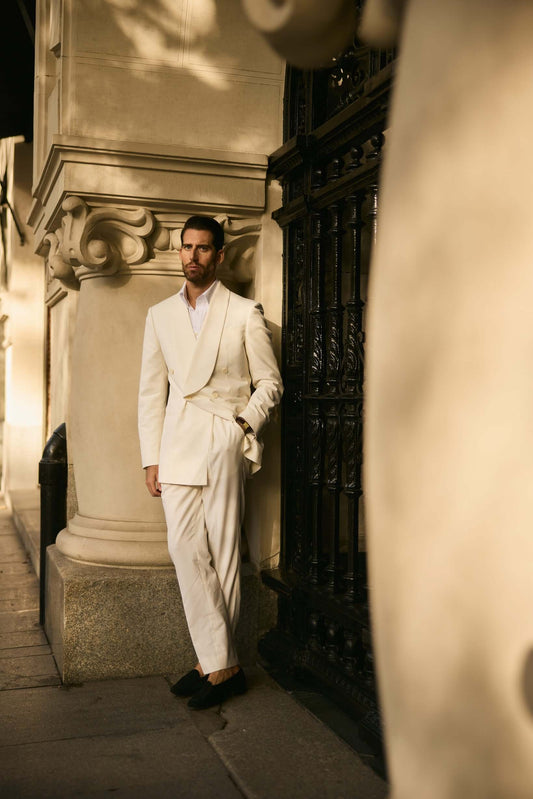

What Is a Slim Fit Suit? A Modern Guide to Fit, Style, and Occasion
Last modified:If you have ever walked into a men's clothing store and felt overwhelmed by the wall of suit options, you are not alone. Among all the terms thrown around — regular fit, classic cut, tailored — none causes more confusion than 'slim fit.' So, what is a slim fit suit, exactly? And more importantly, is it the right choice for you?
In this guide, we break down everything you need to know about slim fit suits: how they are cut, who they work best for, when to wear them, and how to style them with confidence. Whether you are dressing for a job interview, a wedding, or a night out, understanding the slim fit will sharpen your wardrobe decisions.
What Is a Slim Fit Suit? The Core Definition
A slim fit suit is a men's suit designed with a closer-to-the-body silhouette than regular or classic fits. It features a tapered waist, slimmer sleeves, and narrower trousers that follow the body's natural shape while maintaining comfort and mobility. Slim fit suits are popular for business, weddings, and modern formalwear.
The result is a sleek, modern look that reads as sharp, contemporary, and intentional.
Today, slim fit remains one of the most popular options among men exploring different suit styles, offering a modern balance between structure, comfort, and versatility.
Slim Fit vs. Regular Fit vs. Classic Fit: What Is the Difference?

Understanding slim fit means understanding how it compares to other common cuts:
- Classic Fit: The most traditional cut. Generous through the chest, waist, and seat. Provides the most ease of movement. Best for broader builds.
- Regular Fit: A middle ground. Not as boxy as classic, not as close as slim. Works for most body types.
- Slim Fit: Close to the body. Tapered waist, narrower lapels (typically), and trimmer trousers. Ideal for lean to medium builds.
For a deeper look at how these cuts compare and which works for different body types, see our guide on slim fit vs regular fit suits .
Key Characteristics of a Slim Fit Suit Jacket

- Suppressed waist: The jacket is cinched at the midsection to create a defined silhouette.
- Narrower lapels: Typically between 2.5–3 inches, compared to 3.5+ on classic cuts.
- Higher button stance: Single or double button positioning that visually elongates the torso.
- Shorter jacket length: Often cut slightly shorter to complement the trim trouser line.
- Structured shoulders: Precise shoulder seams that sit at the natural shoulder point — no overhang.
Slim Fit Suit Trousers: What to Expect
The trousers on a slim fit suit are where the silhouette really comes together. Expect:
- A slimmer thigh opening than regular or classic fit trousers
- Tapered leg that narrows toward the ankle
- Minimal to no break at the shoe — often a clean break or no break at all
- Flat-front style (pleats are rare in slim fit suits)
The slim trouser creates a long, uninterrupted vertical line from hip to shoe — one of the reasons slim fit suits look so elongating and sharp.
Who Should Wear a Slim Fit Suit?

Slim fit suits are most flattering on men with:
- Lean to athletic builds: Men with lower body fat and defined waists benefit most from the contoured silhouette.
- Taller frames: The vertical lines of slim fit suits enhance height and proportions beautifully.
- Narrower shoulders: Slim fit jackets create structure without overwhelming the frame.
That said, slim fit is not exclusively for one body type. The key is proper tailoring. A slim fit suit that is even slightly too tight will look wrong — and uncomfortable. When in doubt, go for a slim fit in a fabric with a touch of stretch, or consider a made-to-measure option.
For men who want the slim silhouette without compromising comfort, a made-to-measure suit ensures every measurement is dialed in precisely.
Slim Fit vs Tailored Fit: Are They the Same?
Many men use the terms "slim fit" and "tailored fit" interchangeably, but they are not exactly the same.
Slim fit describes the overall silhouette of the suit, while tailored fit refers to how closely a suit has been adjusted to the wearer's measurements. A tailored suit can be slim, regular, or classic depending on the desired look.
For men seeking the cleanest silhouette, a custom tailored suit often provides a better result than an off-the-rack slim fit because every measurement is adjusted specifically for the wearer.
If you're comparing different custom options, our guide on bespoke vs tailored suits explains the differences in detail.
When to Wear a Slim Fit Suit

Business and Office
Slim fit suits are perfectly appropriate for most modern offices. Navy and charcoal slim fit suits are especially popular within today's business professional dress code because they look polished without appearing overly formal. Pair with a classic white or light blue dress shirt, a refined tie, and oxford shoes for a professional look that feels current without being fashion-forward.
Weddings
Slim fit suits are one of the most popular choices for wedding guests and grooms alike. They photograph beautifully and translate well across seasons.
See our full guide to wedding suits for men to explore color and style options.
Black Tie Adjacent Events
For events that are dressy but not strictly black tie, a slim fit suit in midnight navy or charcoal with a dress shirt and pocket square is a winning formula.
Cocktail and Semi-Formal
Slim fit suits excel at cocktail dress codes. Elevate with polished accessories and a sharp trouser break.
Best Colors for a Slim Fit Suit

Color plays a major role in how a slim fit suit is perceived. While the silhouette creates the shape, the color determines how versatile, formal, or seasonal the suit feels.
- Navy Blue: The most versatile slim fit suit color. Navy works for business, weddings, interviews, and evening events while flattering virtually every skin tone. For most men, a navy slim fit suit is the smartest first purchase.
- Charcoal Gray: Slightly more formal than navy and ideal for professional environments. Charcoal projects authority and sophistication, making it a strong choice for business meetings and formal occasions.
- Mid Gray: A versatile middle ground that works year-round. Mid-Gray suits pair easily with a wide range of shirt and tie combinations and feel slightly more relaxed than charcoal.
- Black: Best reserved for evening events, formal occasions, and dressier settings. While stylish, black is generally less versatile than navy or charcoal for everyday wear.
- Light Blue, Tan, and Beige: Excellent options for spring, summer, destination weddings, and daytime events. These lighter shades create a fresh, contemporary look while maintaining the clean lines of a slim fit silhouette.
If you're building your first suit wardrobe, start with navy, add charcoal second, and then explore seasonal colors based on your lifestyle and wardrobe needs.
For styling inspiration, see our guides to navy suit combinations, charcoal suit combinations, and the best suit colors for men ranked by versatility.
How to Style a Slim Fit Suit

The slim silhouette lends itself to clean, modern styling:
- Shirts: Fitted dress shirts — avoid shirts with excess fabric that bunches under the jacket.
- Ties: Slim ties (2–2.75 inches) keep proportions balanced. A Windsor knot may be too wide; opt for a Four-in-Hand or Pratt.
- Shoes: Oxford shoes, derbies, and Chelsea boots all work well. Chunky shoes can disrupt the lean silhouette.
- Pocket square: A simple flat fold keeps the look clean and modern.
For styling inspiration across occasions, see our guide on how to style a men's suit .
Common Slim Fit Suit Mistakes to Avoid

- Going too tight: A slim fit suit should follow the body, not restrict it. You should be able to button the jacket comfortably and move your arms freely.
- Wrong trouser length: Too long a break undermines the sharp silhouette. Aim for a clean or slight break.
- Pairing with oversized accessories: Wide ties, bulky watches, and oversized lapel pins disrupt the proportions.
- Ignoring fabric: Stiff fabrics can look awkward in slim cuts. Wool with a slight stretch or fine Italian wool drapes beautifully.
Bespoke and Custom Slim Fit Suits
Off-the-rack slim fit suits are made for an average body shape. If you do not match that average — and few men do — the fit will be off somewhere: tight in the chest, loose in the waist, or too long in the sleeve.
The solution is a custom or made-to-measure slim fit suit, where every dimension is cut to your measurements. The result is a garment that delivers the clean, sharp silhouette of slim fit without any of the discomfort of a poor fit.
Learn more about custom suits for men and discover why many professionals eventually move beyond off-the-rack garments.
If you're evaluating value over time, our comparison of custom suits vs ready-made suits explains the long-term benefits of investing in a better fit.
How Should a Slim Fit Suit Fit?

A properly fitted slim suit should:
- Sit flat across the shoulders
- Button comfortably without pulling
- Show approximately ¼–½ inch of shirt cuff
- Follow the body's shape without clinging
- Allow you to sit and move naturally
- Create a clean trouser line with minimal break
If any area feels restrictive, the suit is likely too small rather than properly slim fitting.
Expert Tailoring Perspective
At Bold Italia, we regularly fit clients who initially assume they need a slim fit suit when the real issue is poor sizing. A properly tailored suit should enhance your body shape without pulling across the chest, restricting movement, or creating tension around the waist. In many cases, a made-to-measure slim fit provides a cleaner and more comfortable result than an off-the-rack slim fit suit.
Whether you're building your first professional wardrobe or upgrading your formalwear collection, investing in a properly fitted slim suit remains one of the smartest menswear decisions you can make. Explore our range of custom Italian suits for a personalized fit and premium craftsmanship.
Our tailoring team regularly advises clients that proper fit matters more than brand labels or trends. A well-fitted slim suit will almost always look more refined than an expensive suit that fits poorly.
Final Thoughts
A slim fit suit is one of the most powerful tools in a modern man's wardrobe. It communicates that you understand contemporary style, take your appearance seriously, and know how to dress for the occasion. Whether you are stepping into a boardroom, attending a wedding, or meeting someone for a memorable evening, a well-fitted slim suit makes the statement before you say a word.
The key is fit above all else. A slim fit suit that fits well is transformative. One that fits poorly is unflattering regardless of brand, fabric, or price. Prioritize tailoring, choose your colors wisely, and wear it with confidence.
Ready to build your wardrobe? Browse the full collection at Bold Italia to find your perfect slim fit suit.
Frequently Asked Questions
Q1. Is a slim fit suit still in style in 2026?
A. Yes. Slim fit suits remain one of the most popular suit styles for business, weddings, and formal occasions. Modern versions are slightly less restrictive than the ultra-skinny cuts popular in the early 2010s.
Q2. Can bigger men wear slim fit suits?
A. Yes. A properly tailored slim fit suit can work well for larger men by creating cleaner lines and reducing excess fabric. The key is choosing a fit that follows the body without becoming tight.
Q3. What is the difference between slim fit and skinny fit?
A. Slim fit follows the body's natural shape while allowing comfortable movement. Skinny fit is significantly tighter through the chest, waist, and legs and can restrict mobility.
Q4. Are slim fit suits appropriate for business?
A. Absolutely. Navy and charcoal slim fit suits are widely accepted in modern business environments and offer a professional, contemporary appearance.
Q5. Should a slim fit suit feel tight?
A. No. A slim fit suit should feel close to the body but never restrictive. You should be able to sit, walk, and move comfortably.