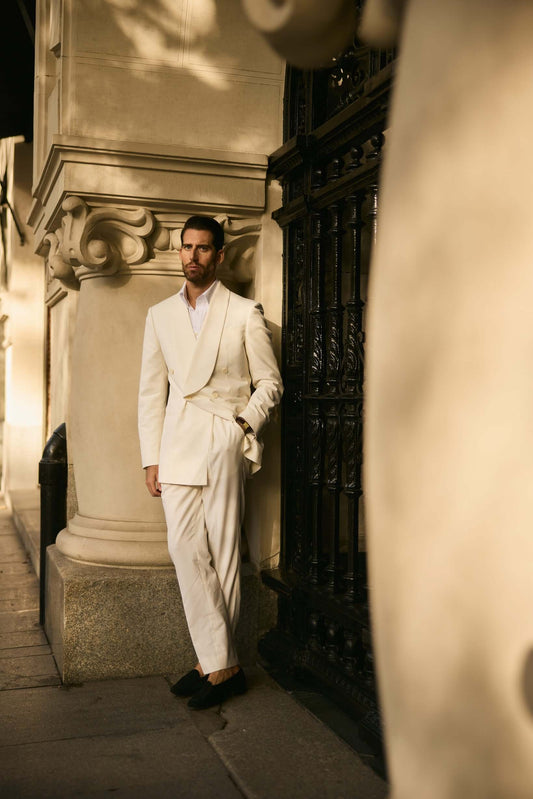

Men’s Suit Styles Explained: Classic, Modern, Slim & More
Last modified:Walking into the world of tailoring can feel confusing fast. Two suits can look similar on a hanger but feel completely different once worn. That's why understanding the different men's suit styles matters—it helps you choose a suit that fits your body, matches your lifestyle, and still looks right years from now.
This guide breaks down the most common suit styles in plain terms, so you know exactly what you’re looking at — and what will actually work for you.
Quick Answer: Men's suit styles can be categorized by fit, construction, cultural tailoring traditions, and intended occasion. The most common styles include classic, modern, slim fit, relaxed fit, Italian, British, and American suits, along with single-breasted, double-breasted, and three-piece designs. The best choice depends on your body type, lifestyle, level of formality, and personal comfort rather than temporary fashion trends.
Men's Suit Styles at a Glance

If you're short on time, this table compares the most common men's suit styles and when each works best.
| Suit Style | Best For | Formality | Ideal Wearer |
|---|---|---|---|
| Classic Suit | Business, weddings, formal events | High | Most body types |
| Modern Suit | Office, social events | High | Professionals wanting a contemporary look |
| Slim Fit Suit | Evening events, modern offices | High | Lean and athletic builds |
| Relaxed Fit Suit | Daily wear, long business days | Medium–High | Broader builds or comfort-focused wearers |
| Italian Suit | Elegant occasions, warm climates | High | Men who prefer lightweight tailoring |
| British Suit | Corporate settings, formal business | Very High | Traditional dressers |
| American Suit | Everyday office wear | Medium–High | Men prioritizing comfort |
While these categories overlap, understanding their differences makes it much easier to choose a suit that complements your body shape, matches the occasion, and remains stylish for years. If you're looking for a broader overview of tailoring before diving into individual styles, our guide on Types of Suits Every Man Should Know and When to Wear Them provides additional context.
Why Suit Style Matters More Than Trends
Suit style isn't just about appearance. It influences how comfortably a suit moves with your body, how appropriate it looks for different occasions, and how often you'll actually wear it. Choosing the right style is often more valuable than simply following seasonal fashion trends.
- How the suit fits your body
- How comfortable it feels throughout the day
- How versatile it is for different occasions
- How long it remains stylish
A timeless suit that fits properly will almost always provide better long-term value than a trend-driven design that quickly falls out of fashion.
Suit Styles by Jacket Construction
One of the biggest differences between men's suit styles isn't the fit—it's the jacket construction. The number of buttons, front overlap, and overall silhouette all influence how formal, versatile, and flattering a suit appears. Understanding these foundational styles makes it much easier to build a wardrobe that works across business, weddings, and special occasions.
Single-Breasted Suit

The single-breasted suit is the most versatile style available. Featuring one column of buttons and a narrow front overlap, it offers a clean silhouette that works in almost every setting—from boardrooms and client meetings to weddings and evening dinners.
- One row of buttons
- One to three-button front
- Creates a streamlined appearance
- Easy to dress up or down
For most men purchasing their first tailored suit, a single-breasted navy or charcoal design remains the safest long-term investment because of its exceptional versatility.
Double-Breasted Suit

Double-breasted suits feature overlapping front panels and two parallel columns of buttons. Traditionally associated with British tailoring, they create a stronger shoulder line and a more commanding silhouette while adding visual structure across the chest.
- Six-button or four-button configurations
- Broader appearance through the torso
- Peak lapels are most common
- Excellent for formal business and weddings
Modern double-breasted suits have evolved into a slimmer, more wearable silhouette than traditional versions while still retaining their sophisticated appearance.
Three-Piece Suit

A three-piece suit combines a matching jacket, trousers, and waistcoat to create one of the most elegant styles in menswear. Beyond adding sophistication, the waistcoat improves visual balance and allows you to remove the jacket without losing a polished appearance.
- Excellent for weddings
- Ideal for business presentations
- Adds versatility throughout the day
- Creates a more refined silhouette
If you're deciding whether a waistcoat is worthwhile, our complete guide comparing 2-piece vs. 3-piece suits explains the advantages of each option.
Classic Suit Style

The classic suit is timeless for a reason. It’s balanced, comfortable, and designed to work across business, formal, and professional settings.
Key Features
- Relaxed but structured fit
- Moderate shoulder padding
- Straight-cut trousers
- Traditional lapels
Who It’s Best For
- Business professionals
- First-time suit buyers
- Men who prefer a timeless look
- Broader or more traditional body types
Classic suits don’t chase trends, which makes them a reliable long-term option.
If you want to see how classic styles are applied today, browsing a refined men’s wear collection can help:
Explore Men’s Wear
If you're deciding between traditional and contemporary tailoring, our comparison of Classic vs. Modern Suits explains the key differences.
Modern Suit Style

The modern suit blends the timeless appeal of classic tailoring with cleaner, more contemporary proportions. It offers a balanced silhouette that feels updated without becoming overly fashion-forward, making it one of the most versatile choices for today's professionals.
Modern suits work especially well for men who want cleaner proportions than a traditional classic suit without the restriction of an aggressively slim cut. A moderate waist taper, natural shoulder line, and slightly narrowed trousers create a contemporary silhouette that remains appropriate for offices, weddings, dinners, and formal occasions.
Key Features
- Light taper at the waist
- Softer shoulder structure
- Clean jacket lines
- Slimmer trousers (without hugging)
Who It’s Best For
- Professionals who want a current look
- Men who wear suits regularly
- Buyers looking for versatility
Modern suits work well for offices, events, and formal occasions without looking dated or trendy.
Slim Fit Suit Style

Slim suits are designed to follow the body closely. When done right, they look sharp and intentional. When done wrong, they can feel restrictive.
Key Features
- Closer fit through the chest and waist
- Higher armholes and narrower sleeves
- Strong waist suppression
- Tapered trouser legs
- Slightly shorter jacket proportions
Who It’s Best For
- Lean or athletic builds
- Men who prefer a tailored look
- Formal events and social settings
Slim suits depend heavily on proper measurements. Without them, the suit can pull, bunch, or feel uncomfortable — which is why many men choose custom options for this style.
To see how slim fits are handled correctly, exploring the custom suit collection can be helpful:
Browse Custom Suits & Tuxedos
Relaxed or Comfort Fit Suit Style

Relaxed-fit suits prioritize comfort while maintaining structure. They offer more room in the chest, waist, and legs without looking oversized.
Key Features
- Wider cut through the body
- Minimal waist suppression
- Comfortable rise and seat
- Traditional proportions
Who It’s Best For
- Men who value comfort over trend
- All-day wear situations
- Larger or broader frames
A relaxed suit should still look intentional — not baggy. Proper tailoring makes all the difference here.
Italian-Style Suits

Italian suits are known for their elegant proportions, lightweight construction, and emphasis on natural movement. Rather than relying on heavy structure, Italian tailoring creates a refined silhouette through careful balance, softer shoulders, and premium fabrics.
Key Features
- Soft shoulders
- Lightweight fabrics
- Higher armholes
- Clean, close fit
Who It’s Best For
- Men who want refined, elegant styling
- Warmer climates
- Fashion-forward professionals
Italian-style suits benefit greatly from custom tailoring, especially for achieving balance and comfort.
British-Style Suits

British suits are built around structure, precision, and timeless tailoring traditions. Originating from Savile Row, they are designed to project confidence through defined shoulders, a shaped waist, and balanced proportions.
Key Features
- Structured shoulders
- Defined chest
- Slightly longer jackets
- Traditional tailoring techniques
Who It’s Best For
- Formal business environments
- Men who prefer a traditional, authoritative look
American-Style Suits

American suits prioritize comfort, practicality, and ease of movement. Traditionally based on the sack suit, they feature a straighter silhouette with minimal waist suppression, making them a dependable option for everyday business wear.
Key Features
- Natural shoulders
- Roomier fit
- Simple construction
Who It’s Best For
- Everyday business wear
- Men who prioritize ease of movement
Suit Styles by Occasion

Choosing the right men's suit style isn't only about the cut or fit—it also depends on where you'll be wearing it. A suit that looks perfect in a corporate boardroom may feel too formal for a cocktail party, while a lightweight linen suit that's ideal for a summer wedding wouldn't be the best choice for a business presentation.
Matching your suit style to the occasion helps you achieve the right balance between comfort, confidence, and appropriateness.
| Occasion | Recommended Suit Style | Recommended Color |
|---|---|---|
| Job Interview | Classic or Modern Single-Breasted | Navy or Charcoal |
| Business Meetings | Classic, British or Modern Suit | Navy, Charcoal or Mid Grey |
| Wedding Guest | Modern, Italian or Three-Piece Suit | Navy, Blue or Light Grey |
| Groom | Three-Piece or Custom Suit | Depends on Wedding Theme |
| Cocktail Party | Modern or Slim Fit Suit | Navy, Forest Green or Burgundy |
| Black Tie Event | Tuxedo | Black or Midnight Blue |
| Business Travel | Modern Lightweight Suit | Navy |
| Summer Events | Italian or Linen Suit | Beige, Light Grey or Blue |
Business and Office Wear
For daily office wear, classic and modern suits remain the most practical choices. Their balanced proportions allow them to transition effortlessly between meetings, presentations, networking events, and client dinners without appearing overly formal.
If your workplace follows a traditional corporate dress code, structured British-inspired tailoring offers a sharper silhouette. More contemporary workplaces often suit softer modern tailoring with lighter construction.
For additional guidance, see our complete guide to Business Professional Attire for Men.
Interview Suits
Interviews call for professionalism rather than fashion statements. A well-fitted navy or charcoal single-breasted suit paired with a crisp white or light blue dress shirt creates a confident first impression while remaining appropriately conservative.
Classic tailoring generally photographs and presents better than extremely slim cuts, especially during lengthy interviews where comfort becomes equally important.
For detailed recommendations, read our guide on Interview Suits for Men.
Wedding Suits
Wedding attire offers greater flexibility than business clothing. Depending on the venue, season, and level of formality, you might choose a classic navy suit, an elegant three-piece design, or a lightweight Italian-inspired suit for outdoor ceremonies.
Custom tailoring is especially valuable for weddings because photographs preserve the occasion for decades. Proper fit enhances both comfort and appearance throughout the celebration.
If you're preparing for a wedding, explore our guides to Wedding Suits for Men and our collection of Custom Wedding Suits.
Cocktail Parties and Evening Events
Cocktail attire sits comfortably between business formal and black tie. Modern or slim-fit suits in darker colors such as navy, charcoal, forest green, or burgundy create a polished appearance while allowing more personality than traditional business suits.
Texture also plays an important role. Fabrics with subtle patterns or richer weaves add visual interest without becoming distracting.
Our complete guide to Cocktail Attire for Men explains how to build the perfect outfit.
Black Tie Events
When an invitation specifies "Black Tie," a tuxedo—not a business suit—is the appropriate choice. Satin lapels, matching tuxedo trousers, and a formal dress shirt distinguish black tie attire from standard suits.
Although a dark business suit may appear formal, it does not replace a tuxedo for black tie weddings, galas, or formal evening events.
To understand the differences, read our guides comparing Tuxedo vs. Suit and Formal vs. Black Tie.
Seasonal Suit Styles
The season also influences which suit style feels most comfortable. Lightweight Italian tailoring and linen suits perform exceptionally well during spring and summer, while structured wool and flannel suits provide greater warmth during autumn and winter.
Choosing seasonally appropriate fabrics not only improves comfort but also helps your suit maintain its shape throughout the day.
If you're unsure which fabric is right, explore our guides on Linen vs. Wool Suits and the Summer Suit Guide.
Suit Styles by Body Type

Even the highest-quality suit won't look its best if the style doesn't complement your body shape. While personal preference always matters, certain suit styles naturally create better proportions by balancing the shoulders, waist, chest, and legs.
Rather than chasing trends, start by choosing a silhouette that works with your frame. A well-proportioned suit will always look more refined than one that's fashionable but poorly suited to your build.
| Body Type | Recommended Suit Style | Why It Works |
|---|---|---|
| Lean & Slim | Modern or Slim Fit | Adds shape without excess fabric. |
| Athletic | Modern, Italian or Slim Fit | Accentuates broad shoulders and defined waist. |
| Broad or Larger Build | Classic or Relaxed Fit | Creates balanced proportions while improving comfort. |
| Shorter Height | Modern Single-Breasted | Creates longer vertical lines. |
| Tall Build | Classic or Double-Breasted | Adds visual balance across the torso. |
Best Suit Styles for Slim Men
Men with slimmer frames generally benefit from modern and slim-fit suits because these styles follow the body's natural lines without overwhelming the silhouette. Soft shoulder construction and lightly tapered trousers help create a clean, proportional appearance while maintaining comfort.
Avoid jackets that are excessively oversized or trousers with too much fabric through the thigh, as they can make a lean frame appear even narrower.
If you're deciding between different fitted silhouettes, our guide comparing Slim Fit vs. Regular Fit Suits explains the differences in greater detail.
Best Suit Styles for Athletic Builds
Athletic body types often have broader shoulders and a narrower waist, making them well suited to modern, Italian-inspired, and slim tailoring. These styles naturally complement an athletic V-shaped silhouette while providing a refined appearance.
However, avoid choosing a jacket that's too tight across the chest or upper back. Proper mobility is just as important as appearance, particularly if you'll be wearing the suit throughout an entire day.
Best Suit Styles for Broader Builds
Classic and relaxed-fit suits often provide the most flattering proportions for broader body types. Rather than hiding the frame, these styles create a balanced silhouette by allowing the fabric to drape naturally without excessive tightness.
Single-breasted jackets with moderate lapels and straight-leg trousers usually create a cleaner appearance than aggressively slim cuts. Tailoring the jacket waist and trouser length further improves the overall fit.
Many men assume a larger size automatically creates more comfort, but proper tailoring typically delivers a cleaner appearance without sacrificing ease of movement.
Best Suit Styles for Shorter Men
Men of shorter stature generally benefit from clean vertical lines. Modern single-breasted suits with two-button jackets help elongate the body visually, while trousers with a slight taper maintain balanced proportions.
Choosing jackets that fit correctly through the shoulders is especially important, as oversized jackets can make the body appear shorter than it actually is.
Darker solid colors such as navy and charcoal also contribute to a longer, uninterrupted silhouette.
Best Suit Styles for Tall Men
Taller men have greater flexibility when selecting suit styles. Classic cuts, modern tailoring, and even double-breasted jackets can all work exceptionally well when properly fitted.
Longer torsos often carry double-breasted jackets particularly well because the overlapping front panels create additional visual balance across the upper body.
Tall men can also experiment with subtle checks, textured fabrics, and layered combinations without overwhelming their proportions.
Why Custom Tailoring Makes Every Suit Style Better
Body type guidelines provide an excellent starting point, but no two men share exactly the same proportions. Shoulder width, posture, chest depth, sleeve length, and trouser rise all influence how a suit fits once it's worn.
That's why custom tailoring consistently produces better results than selecting a standard size off the rack. Instead of forcing your body to fit a predetermined pattern, the garment is adjusted to complement your individual proportions while preserving the intended style.
To learn how modern technology improves precision, explore our guides on AI Suit Measurements and What Makes AI Measurements More Accurate Than Traditional Tailors.
Suit Styles by Fabric
The fabric you choose is just as important as the cut of the suit. While two suits may share the same silhouette, different materials can dramatically change how they look, feel, drape, and perform throughout the day. Understanding the strengths of each fabric helps you select a suit that's appropriate for your climate, lifestyle, and the occasions you attend most often.
Natural fibers such as wool, linen, cotton, and tweed each offer distinct advantages, while modern performance blends improve wrinkle resistance and flexibility for frequent travelers and professionals.
| Fabric | Best For | Season | Formality |
|---|---|---|---|
| Worsted Wool | Business, weddings, formal wear | Year-round | High |
| Linen | Summer weddings, vacations | Spring & Summer | Medium |
| Cotton | Business casual, daytime events | Spring & Autumn | Medium |
| Tweed | Autumn, winter, country style | Fall & Winter | Medium–High |
| Flannel Wool | Cold-weather business wear | Winter | High |
| Velvet | Dinner jackets, evening events | Autumn & Winter | Very High |
Worsted Wool Suits
Worsted wool remains the benchmark for men's tailoring because of its exceptional versatility. It drapes cleanly, resists wrinkles better than many natural fabrics, and performs well across a wide range of temperatures. A navy or charcoal worsted wool suit can comfortably transition from business meetings to weddings and formal dinners, making it the first recommendation for anyone building a versatile wardrobe.
If you're buying your first custom suit, worsted wool is usually the safest investment thanks to its durability and timeless appearance.
Linen Suits
Linen suits are designed for warmer weather. Their lightweight construction promotes airflow and keeps the wearer comfortable during outdoor weddings, destination events, and summer celebrations. Unlike wool, linen naturally develops soft creases throughout the day, which many people consider part of its relaxed charm rather than a flaw.
Modern tailoring often blends linen with wool or cotton to improve wrinkle resistance while preserving breathability.
Learn more in our guides to Custom Linen Suits and Linen vs. Wool Suits.
Cotton Suits
Cotton suits occupy the middle ground between formal tailoring and casual dressing. They feel lighter than traditional wool and pair particularly well with business-casual offices, daytime events, and smart-casual occasions. Earth tones such as tan, olive, and light blue are especially popular in cotton tailoring.
Although cotton wrinkles more easily than worsted wool, it remains a comfortable option during mild weather.
Tweed Suits
Tweed is a heritage fabric woven from coarse wool, traditionally associated with British tailoring and country wear. Modern tweed suits have become increasingly popular for autumn weddings, seasonal business attire, and men seeking additional texture in their wardrobe.
The heavier weave provides warmth while creating visual depth that photographs beautifully during cooler months.
Our Vintage Tweed Suit Guide explores this timeless fabric in greater detail.
Flannel Suits
Flannel is a brushed wool fabric prized for its soft texture and excellent insulation. Grey flannel suits remain a staple of classic business wardrobes because they combine warmth with understated sophistication. They're particularly well suited to autumn and winter offices where heavier tailoring feels appropriate.
Velvet Dinner Jackets
Although full velvet suits are relatively uncommon, velvet dinner jackets have long been associated with black-tie events, holiday celebrations, and formal evening wear. Rich shades such as burgundy, emerald green, and midnight blue add personality while maintaining an elegant appearance.
Velvet is best reserved for evening occasions rather than everyday business wear.
Performance and Stretch Fabrics
Many modern suits incorporate a small percentage of stretch fibers to improve mobility without changing the garment's appearance. These performance fabrics appeal to professionals who travel frequently or spend long hours sitting, as they help the suit recover its shape more effectively throughout the day.
High-quality stretch fabrics should enhance comfort while preserving the clean lines and drape expected from premium tailoring.
How to Choose the Right Fabric
If you're purchasing only one suit, a worsted wool design offers the greatest versatility because it performs well in business, weddings, interviews, and formal occasions throughout the year. If you already own a classic wool suit, adding linen for summer and tweed or flannel for cooler months creates a wardrobe capable of handling almost any event.
Fabric should always complement both the climate and the intended purpose of the suit. Choosing the right material improves comfort, extends the life of the garment, and ensures your suit continues to look appropriate across changing seasons.
For more seasonal advice, explore our Summer Suit Guide and our collection of Custom Summer Suits.
Suit Styles by Lapels and Jacket Details
Fit and fabric may receive most of the attention, but the finer details of a suit jacket have an equally important influence on its overall appearance. Lapels, vents, pockets, and button configurations all contribute to how formal, modern, or traditional a suit looks. Understanding these design elements makes it easier to choose a style that matches both the occasion and your personal taste.
Although these features are subtle individually, together they define the character of a suit and distinguish timeless tailoring from passing fashion trends.
Notch Lapel

The notch lapel is the most common and versatile lapel style found on modern suits. Its characteristic notch where the collar meets the lapel creates a balanced appearance suitable for nearly every occasion, including business meetings, interviews, weddings, and everyday professional wear.
- The most versatile lapel style
- Suitable for business and formal occasions
- Works well on both classic and modern suits
- Ideal for first-time suit buyers
Peak Lapel

Peak lapels feature pointed edges that angle upward toward the shoulders, creating a broader and more commanding silhouette. Traditionally associated with double-breasted suits and tuxedos, peak lapels convey confidence and formality while adding visual width across the chest.
- Creates a stronger shoulder line
- Common on double-breasted suits
- Excellent for weddings and formal events
- Popular for executive and evening wear
Shawl Lapel

Unlike notch and peak lapels, the shawl lapel forms one continuous curved line around the collar without sharp angles. This elegant design is traditionally reserved for tuxedos and formal eveningwear, making it the preferred choice for black tie events.
If you're deciding between tuxedos and traditional suits, our guide comparing Tuxedo vs. Suit explains when each option is appropriate.
Single-Vent vs. Double-Vent Jackets

The vent is the opening at the back of the jacket that improves movement and affects how the garment drapes.
| Vent Style | Characteristics | Best For |
|---|---|---|
| Single Vent | One center opening | American-style tailoring and everyday business wear |
| Double Vent | Two side openings | British and Italian tailoring, greater freedom of movement |
| Ventless | No rear opening | Traditional tuxedos and certain formal jackets |
Double vents generally provide a cleaner silhouette when walking or sitting, which is why they're commonly found on premium custom suits.
Suit Pocket Styles

Pocket design also influences how formal or relaxed a suit appears.
- Flap Pockets: The standard choice for business and everyday suits.
- Jetted Pockets: Minimalist pockets most often found on tuxedos and formal tailoring.
- Patch Pockets: Casual pockets sewn onto the outside of the jacket, commonly used on summer and sport coats.
- Ticket Pocket: A smaller pocket positioned above the right flap pocket, traditionally associated with British tailoring.
Two-Button vs. Three-Button Jackets

The majority of modern men's suits feature a two-button jacket because it creates balanced proportions and flatters most body types. Three-button jackets offer a slightly higher button stance and are more commonly found in traditional tailoring.
| Button Style | Appearance | Recommended For |
|---|---|---|
| Two Button | Modern and versatile | Most men and occasions |
| Three Button | More traditional | Taller men and classic styling |
| Double-Breasted | Formal and structured | Business leaders, weddings and evening events |
Shoulder Construction
The shoulders largely determine how structured a suit appears. British tailoring often incorporates more padding to create a defined silhouette, while Italian tailoring favours softer natural shoulders that drape closer to the body. Modern custom tailoring allows the shoulder construction to be adjusted according to your physique and preferred style.
Why Jacket Details Matter
Small design choices often have the greatest impact on how a suit feels and performs. The right lapel, vent configuration, pockets, and button stance should complement your body type, intended use, and personal style rather than simply follow current trends.
When investing in a custom suit, these details become opportunities for personalization. Combined with accurate measurements and quality construction, they help create a garment that reflects both timeless tailoring principles and your individual preferences.
If you're considering a fully customized garment, explore our Custom Suits or learn more in our Complete Custom Suit Buying Guide.
How to Choose the Right Suit Style for You
The best men's suit style is the one that balances proportion, comfort, purpose, and personal preference. Instead of choosing a suit based only on how it looks in a photograph, evaluate how the cut will perform on your body and in the situations where you plan to wear it.
Start With Your Body Proportions
Look at the relationship between your shoulders, chest, waist, torso length, and legs. A modern or slim silhouette may complement a lean or athletic frame, while classic and relaxed cuts often provide better balance and comfort for broader builds.
Consider Where You Will Wear It
A versatile business suit requires different proportions and fabric than a summer wedding suit or formal tuxedo. Your workplace, climate, travel schedule, and social calendar should all influence the final choice.
Prioritize Comfort and Movement
A suit should allow you to sit, walk, reach, and move comfortably without pulling across the chest, shoulders, or thighs. A close fit should still provide mobility; tightness is not the same as tailoring.
Choose a Style That Will Remain Useful
For a first suit, a modern or classic single-breasted design in navy or charcoal worsted wool offers the greatest versatility. More distinctive fabrics, colors, and double-breasted designs can be added once the foundation of your wardrobe is established.
Custom tailoring simplifies this process by adjusting the chosen style to your body rather than forcing your proportions into a standardized pattern. Learn how the process works in our guide to How AI Measurements Deliver a Better Custom-Suit Fit.
Common Mistakes When Choosing a Suit Style

Selecting the right men's suit style involves more than following current trends or choosing the first design that catches your eye. Many buying mistakes happen because shoppers focus on appearance alone while overlooking fit, construction, fabric, and the occasions they'll actually wear the suit.
Avoiding the following mistakes can help you build a wardrobe that's both versatile and timeless.
Choosing Fashion Trends Over Timeless Style
Extremely slim cuts, oversized silhouettes, or trend-driven details may look appealing today but can quickly feel dated. Unless you're intentionally buying a fashion-forward statement piece, classic and modern tailoring usually provides better long-term value.
A well-proportioned suit should still look stylish years after it's purchased rather than reflecting a single season's trend.
Ignoring Your Body Type
Not every suit style complements every physique. A slim-fit suit that looks exceptional on an athletic build may feel restrictive on a broader frame, while an oversized jacket can overwhelm a slimmer body.
Instead of copying someone else's style, choose a silhouette that balances your own proportions and allows comfortable movement throughout the day.
Buying the Wrong Suit for the Occasion
A business suit, wedding suit, cocktail outfit, and tuxedo all serve different purposes. Wearing the wrong style can make you appear either underdressed or overly formal.
For example, a navy business suit works beautifully for interviews and corporate meetings, while a tuxedo is reserved for black-tie events. Understanding the dress code before purchasing a suit prevents expensive wardrobe mistakes.
If you're unsure about event dress codes, our guides to Formal Dress Codes for Men, Cocktail Attire, and Black Tie Attire explain what to wear for every occasion.
Prioritizing Size Instead of Fit
Many men believe buying a larger size automatically creates more comfort, while others choose a smaller size hoping for a sharper silhouette. In reality, neither approach produces an ideal fit.
The shoulders should sit naturally, the jacket should button comfortably without pulling, and the trousers should follow the body's shape without appearing either restrictive or oversized.
If you're comparing different fits, read our guide to Slim Fit vs. Classic Fit Suits.
Overlooking Fabric Selection
The same suit style can feel completely different depending on the fabric. Heavy flannel may be ideal during winter but uncomfortable in warmer climates, while lightweight linen is perfect for summer yet too casual for many formal business settings.
Choosing fabric according to the season and intended use improves both comfort and the longevity of your wardrobe.
Assuming Expensive Always Means Better
Price alone doesn't determine quality. Construction, fabric, fit, pattern balance, and craftsmanship all contribute to how a suit performs over time.
A thoughtfully tailored mid-range custom suit often provides a better fit and greater satisfaction than an expensive ready-made garment that requires significant alterations.
Learn more in our comparison of Custom Suits vs. Ready-Made Suits.
Ignoring Alterations
Even premium off-the-rack suits often require minor alterations to achieve their full potential. Adjusting the trouser length, sleeve length, or jacket waist can dramatically improve the overall appearance.
Small refinements frequently make a greater difference than upgrading to a more expensive suit.
Focusing Only on the Jacket
A great suit is a complete outfit rather than just a well-fitted jacket. Dress shirts, ties, shoes, belts, pocket squares, and even the choice of socks contribute to the finished appearance.
Coordinating every element creates a more polished and intentional look than treating each piece separately.
Our guide to How to Style a Men's Suit covers these finishing touches in detail.
Not Considering Future Versatility
If you're investing in your first suit, versatility should take priority over novelty. Neutral colors such as navy, charcoal, and medium grey can be worn across business meetings, weddings, interviews, and formal dinners with only minor changes in accessories.
Once these essentials are established, adding seasonal fabrics, bolder colours, or statement tailoring becomes much easier.
For help selecting your first color, explore our guide to the Best Suit Colors for Men.
Why Custom Suits Work Across All Styles
One of the greatest advantages of custom tailoring is the ability to preserve the character of a suit style while adapting its proportions to the individual wearer. A custom suit can retain the structure of British tailoring, the softness of Italian construction, or the versatility of a modern business suit without relying on standardized sizing.
- Classic without appearing dated
- Slim without restricting movement
- Relaxed without looking oversized
- Modern without depending on temporary trends
Details such as shoulder structure, jacket length, waist suppression, lapel width, trouser rise, and fabric can all be coordinated around your build and intended use. The result is not simply a smaller or larger version of an existing suit—it is a garment shaped around your proportions and preferences.
For visual inspiration across different tailoring styles, view the Bold Italia lookbook.
Conclusion
Understanding men's suit styles is about more than recognizing different cuts or tailoring traditions. The right suit should reflect your lifestyle, complement your body type, suit the occasion, and remain comfortable throughout years of wear.
Whether you prefer the timeless confidence of a classic suit, the clean lines of modern tailoring, the refined elegance of Italian construction, or the structured authority of British tailoring, choosing the right style begins with understanding how each option fits your individual needs.
While fabric, lapels, and construction all influence the final appearance, nothing affects a suit more than proper fit. A well-made suit that fits your proportions will always outperform an expensive garment that doesn't.
If you're ready to invest in a suit that reflects your personal style and fits with precision, custom tailoring offers the flexibility to combine timeless design, premium craftsmanship, and long-term comfort in one garment.
Ready to create a suit around your proportions and personal style?